
Know what’s happening
Access the private noticeboard for verified neighbours near you. Keep informed about any suspicious activity, send urgent updates to your neighbours when required and discuss emergency planning.
Get to know your neighbours
Browse the directory and start getting to know your neighbours. Don’t want to post to the whole neighbourhood? Send a private message.
Buy, sell and give away
Want to declutter your garage? Buy some used household items? Give away some garden stuff? Become a verified neighbour to browse and post items for sale. Trading is simple when everyone lives nearby.
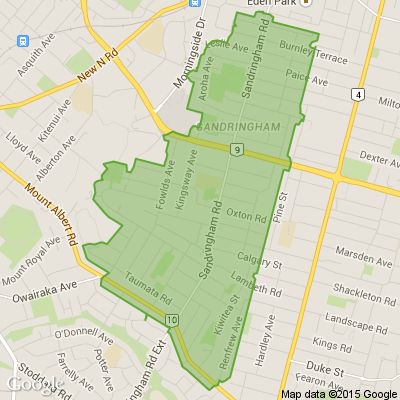

Sandringham news is brought to you by the team at Central Leader
Recent posts








Thank you for using Neighbourly
You may receive an email confirmation for any offer you selected. The associated companies will contact you directly to activate your requests.

The Team from Neighbourly.co.nz
We are bringing you the latest list of recalled products from across the country. Make sure you aren't using these at home!
Click on the blue text to learn more about that particular product and why it was recalled.
Food and household item recalls:
… View moreWe are bringing you the latest list of recalled products from across the country. Make sure you aren't using these at home!
Click on the blue text to learn more about that particular product and why it was recalled.
Food and household item recalls:
Akaroa King Salmon brand Mānuka Cold Smoked Slices and Trim
Tom & Luke Low Carb Snackaballs
Woop brand Pistachio Dukkah
Product Recalls: Infant care and clothing
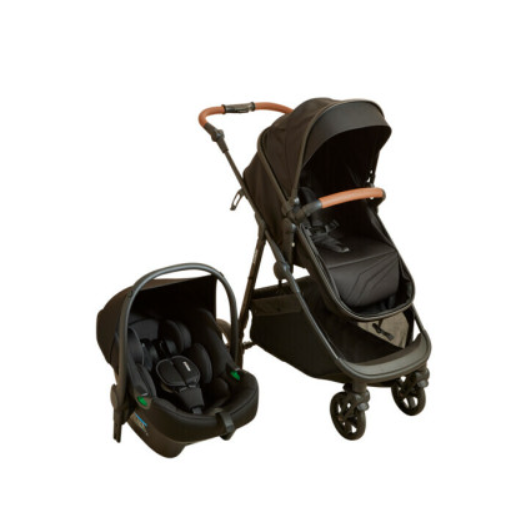
Zummi Monaco 4-Wheel Travel System - Sold at Farmers
Product Recalls: Toys
⚠️ Asbestos risk in Galt branded Mini Makes Sand Stickers
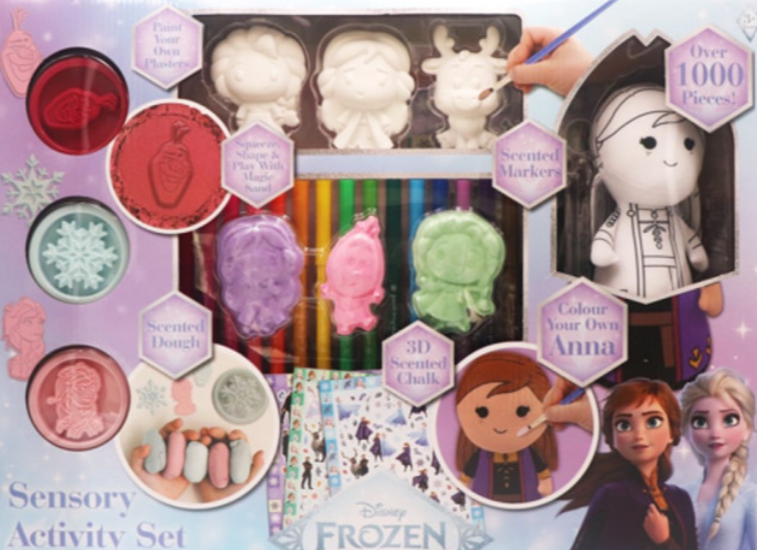
⚠️ Asbestos risk in Licensed Sensory Activity Sets: Frozen, Bluey and Paw Patrol - Sold at Kmart
⚠️ Asbestos risk in Make Your Own Unicorn Sand Ornaments- sold at Kmart
⚠️ Asbestos risk in Coloured Sand for Unity Ceremony - 200 gram bags
⚠️ Asbestos risk in Coloured sand by Creative Sand
⚠️ Asbestos risk in MIKI Sand Art Set
⚠️ Asbestos risk in Rainbow Sand Art Toy- sold at various discount stores nationwide
⚠️ Asbestos risk in Craft Sand 380g
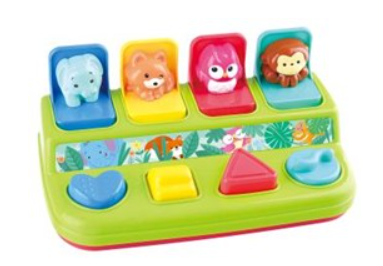
Pop & Surprise Playset- sold at Kmart
Product Recalls: Cosmetics
Endota Mineral Protect SPF50 Sunscreen
Bondi Sands Zinc Mineral Broad Spectrum UVA & UVB Protection Sunscreen SPF 50+ Face Lotion 60ml and Body Lotion 120ml
Product Recalls: Electronics
E-LOK Gateway Wall Plug
Mecca 240V Single Vertical Heated Towel Rail NRV902H
3M ™ Versaflo ™ TR-802E Powered Air Purifying Respirator Motor/Blower
Sigenergy- SigenStor EC 8.0/10.0/12.0kW SP AU Energy Controllers with quick connect AC plug
Sylvan SLG02 Wif Hub power adapter
Product Recalls: Other
⚠️ Asbestos risk in Handmade Gummy Worm earrings and Salted Pretzel earrings sold at Joy's Handmade Boutique
Ello Glass 10pc Meal Prep Set - sold at Costco
Check the New Zealand Transport Agency's handy vehicle recall list here.
See past months' recalls. Stay safe, neighbours!




Brian from Mount Roskill
O’Brien replaces Jenny-May Clarkson who left the morning news show last month, and joins Chris Chang as host beginning in 2026.
TVNZ executive editor - news and current affairs Phil O’Sullivan said O’Brien brought a wealth of broadcast experience across television and radio.
“She’s … View moreO’Brien replaces Jenny-May Clarkson who left the morning news show last month, and joins Chris Chang as host beginning in 2026.
TVNZ executive editor - news and current affairs Phil O’Sullivan said O’Brien brought a wealth of broadcast experience across television and radio.
“She’s delivered numerous high-profile interviews with global figures and provided live, breaking news coverage from across Aotearoa and further afield. She’s sharp, energetic and trusted.
“Best of all, she understands morning audiences inside out.”
Broadcaster O’Brien is currently Stuff’s chief political correspondent and previously worked for Newshub and the now-defunct Today FM. Today FM ceased broadcasting on March 30, 2023, after O’Brien interrupted the mid-morning Duncan Garner Today on air to announce the station’s closure, saying “They have f....d us.”
O’Brien is one of many presenter changes announced in recent months by TVNZ. Melissa Stokes was revealed as the new 1News at Six presenter, with Simon Dallow stepping down.
=====================================================
Kevin from Mount Roskill
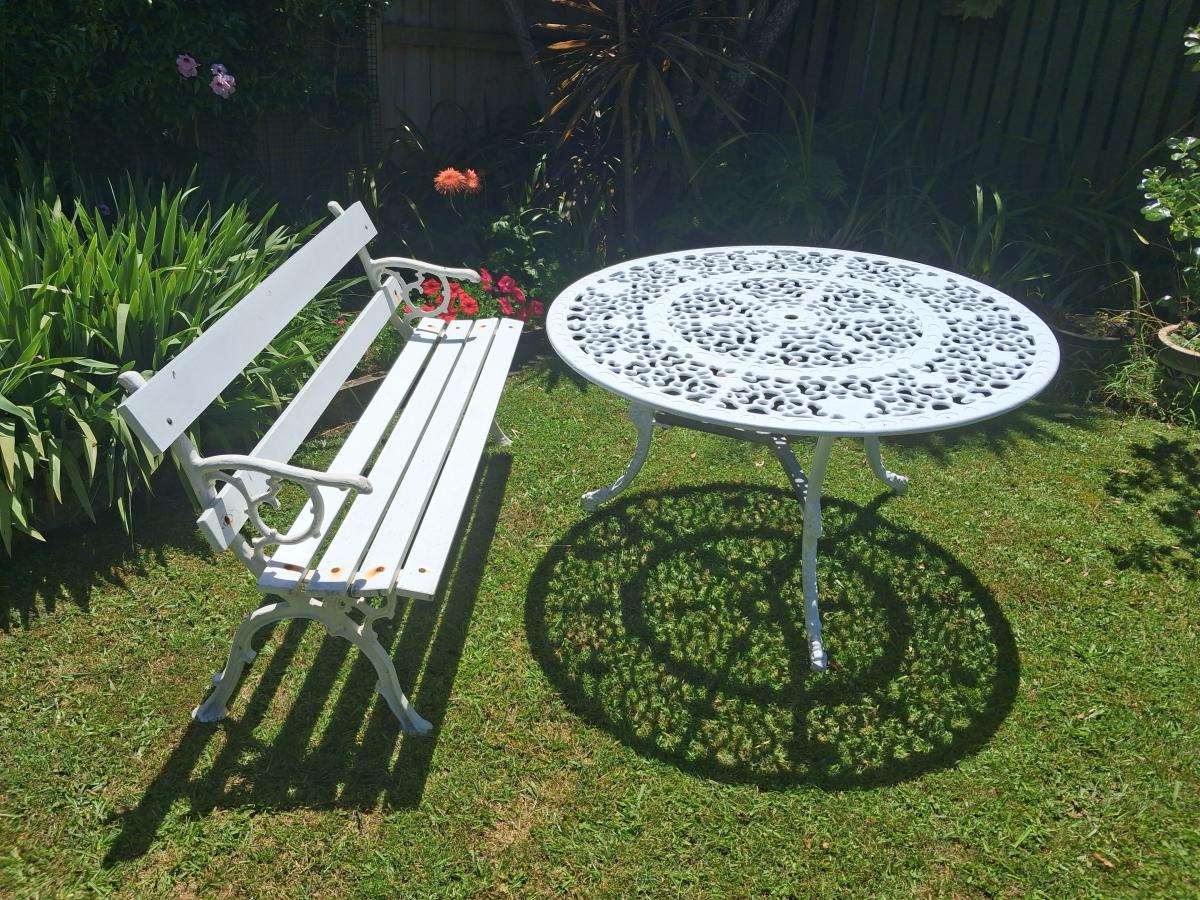
Here is the perfect bench seat & table to enjoy outdoor living in your own backyard. Powder coated aluminum frame, galvanized steel brace for table legs with wooden seat back and bottom. All in great condition.
Price: $50
Mabel from Hillsborough
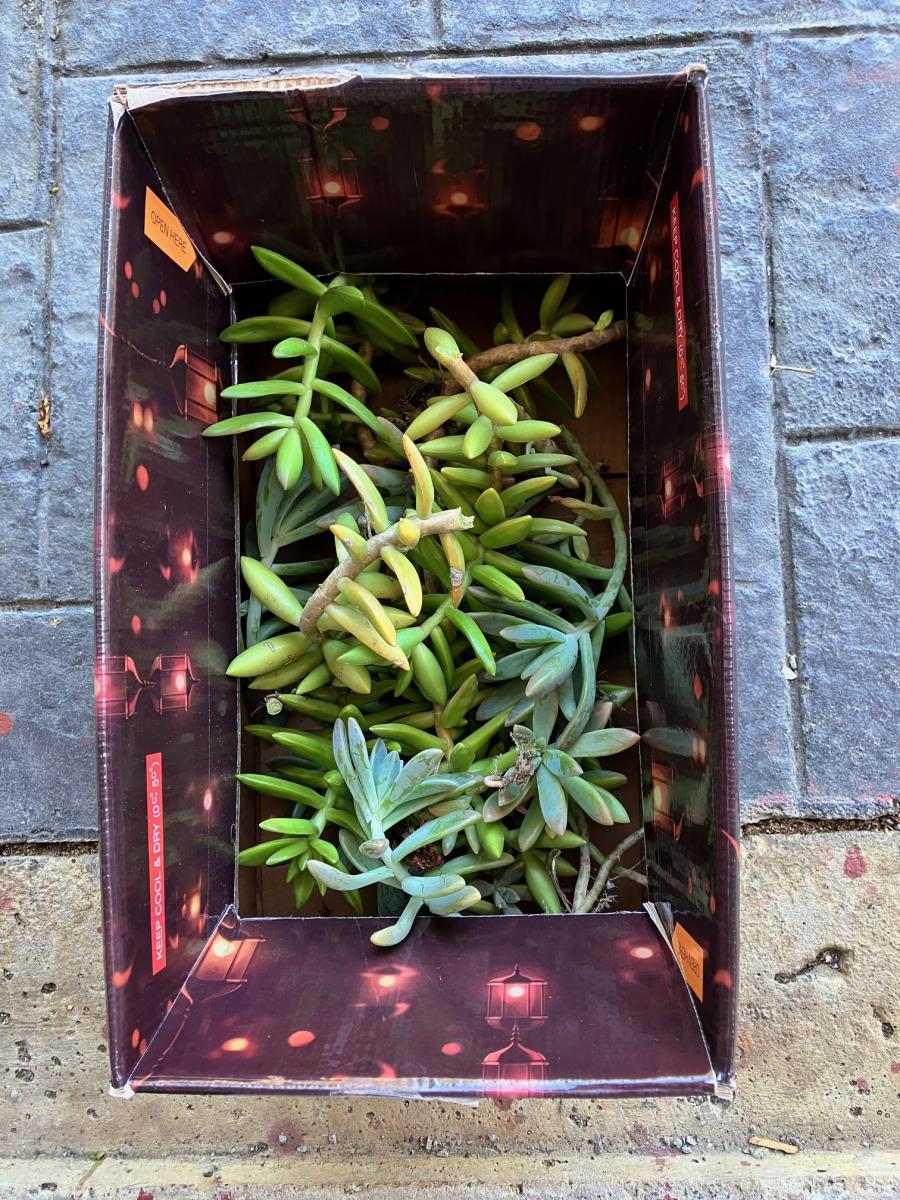
Succulents from my garden to share. Also some seeds for spring flowers to give away. Pick up form Hillsborough.
Free

Brian from Mount Roskill
Celebrities, billionaire Graeme Hart and a who’s who of property developers each gave up to $50,000 to fund Wayne Brown’s mayoral re-election campaign.
Electoral returns made public today show Brown was flush with about $606,000 in campaign funds, while his only serious competitor, Whau … View moreCelebrities, billionaire Graeme Hart and a who’s who of property developers each gave up to $50,000 to fund Wayne Brown’s mayoral re-election campaign.
Electoral returns made public today show Brown was flush with about $606,000 in campaign funds, while his only serious competitor, Whau councillor Kerrin Leoni, received just $16,076 in four donations over the $1500 declaration limit.
She relied heavily on donations of less than $1500 to raise $83,111.83 to run her campaign, while Brown spent $323,872, with nearly $280,00 left over from his wealthy donors.
Leoni, a low-profile first-term councillor, stood little chance against the high-profile Brown, who romped home for a second term by a margin of 100,000 votes.
Among the donors who gave $5000 to Brown were former All Black and Waiheke resident Marc Ellis, and Black Knights Football, which refers to Auckland FC, of which former All Black Ali Williams and his wife Anna Mowbray are minority co-owners.
Williams attended Brown’s election-night party at the West End Tennis Club at Coxs Bay, a short walk from the $24 million coastal home he shares with Mowbray.
Through his Rank Group company, Hart, who is worth an estimated $12.1 billion, gave $50,000 to Brown’s campaign. Property investment firm Tramco Group, whose directors own big landholdings on the Auckland waterfront, also chipped in with $50,000.
Other donors included Precinct Properties ($10,000), engineering firm BECA ($5000), Park Hyatt Hotel ($18,400), Hancocks Wine ($8000), Golf Warehouse ($20,000), Bayleys Real Estate ($10,000) and Hopper Developments ($5000).
Leoni, who was the Labour councillor for Whau but stood as an independent in the mayoral race, received donations from former Auckland Mayor and Labour leader Phil Goff ($1500), former Labour minister Judith Tizard ($5000) and longtime Labour operative Greg Presland ($7576).
She said Brown had the advantage of building relationships during his first term to raise donations, but she was proud of obtaining 20% of the vote by raising and spending $83,000.
The greater handicap during the election campaign was the lack of mainstream media coverage, with live television debates largely watched by older people, who formed the largest group of voters, she said.
The election resulted in the lowest super city turnout of under 30%.
Leoni, a mother of twins who has degrees in politics and economics, Māori development and social services, said she was having a break from the council to refocus and would decide on what to do next in the New Year.
Brown, who has said he will not seek a third term, declined to say what would happen to the nearly $280,000 left over from his campaign, saying he does not comment on other people’s donations, except to say they were a sign of the level of support for what candidates stood for.
Auckland Council electoral officer Dale Ofsoske said there were no rules governing how candidates used leftover campaign funds, though many choose to keep them for future campaigns.
Candidates could do what they liked with the money, he said.
Three years ago, Brown raised $310,000 in donations and had to dig into his own pocket to top up the $470,00 cost of his campaign.
Donations of $10,000 or more to Wayne Brown
======================================
Tramco Group - $50,000
Rank Group - $50,000
CP Group - Aphi Funds manager - $25,000
Peninsula Capital $25,000
Knight Investments Ltd - D Nakhle - $20,000
Hugh Green Ltd - $20,000
Stonewood Group - $20,000
Golf Warehouse - $20,000
Aedifice Development - $20,000
AHL Park Hyatt Hotel - $18,400
Clifftop Services - PC Cooper - $15,000
Mr MJ Todd - $15,000
Gilligan Rowe & Associates - $11,000
Liu Vincent - $10,000
Southside Group - Chris Jones - $10,000
Van Den Brink - $10,000
Williams Corporation - M. Horncastle - $10,000
Precinct Properties - $10,000
Oyster Capital - $10,000
Bayleys Real Estate - $10,000
N McKenna - $10,000
Donations of $1500 or more to Kerrin Leoni
====================================
Greg Presland - $7576
Judith Tizard - $5000
Te Ata Thompson - $2000
Phil Goff - $1500
====================================================
Brian from Mount Roskill
The most generous region in New Zealand for Givealittle donations has been revealed in a new report, which shows Kiwis gave $31.6 million to fundraisers this financial year.
The report has also highlighted some of the worthy causes that received money this year, including a woman who needed money … View moreThe most generous region in New Zealand for Givealittle donations has been revealed in a new report, which shows Kiwis gave $31.6 million to fundraisers this financial year.
The report has also highlighted some of the worthy causes that received money this year, including a woman who needed money for overseas cancer treatment, the Relief Aid Gaza Appeal, and a mayoral relief fund for flood-hit Wairoa.
While Auckland took out the top spot for the amount of money given, with $14.2m, the 2025 Generosity Report showed Gisborne and Northland gave the highest amounts per donation compared with the rest of the country.
Gisborne locals were the most generous, giving $108 on average per donation. Northland was the only other region to crack three figures, with residents donating an average of $100 each time.
“We are highly sympathetic to the challenges many Kiwi households have been dealing with this year, which has also been a hard one for charities, many other organisations, and whole industries,” Givealittle chief executive Lythan Chapman said.
The stories and statistics shared in the report captured a picture of “nationwide giving to nearly every conceivable cause”, she said.
“They are a reminder to us all that the generosity of New Zealanders is unflagging, and when people call for help they will be heard.”
The report showed Kiwis had a soft spot for giving to health-related causes, with 42% of donations going to such fundraisers, totalling $13.2m.
The most-supported page on Givealittle in the year ending June was for Wānaka woman Emma Holden, who needed funds to travel to Shanghai for cutting-edge treatment for her multiple myeloma blood cancer.
Her page raised more than $417,000 for the treatment in a short space of time, showing “how quickly New Zealanders rally when a life is on the line”, the report said.
Kiwis also gave generously to ReliefAid’s Gaza appeal, with more than $191,000 donated and up to $60,000 of donations matched. The support allowed the New Zealand-founded group to provide drinking water to about 60,000 people each month.
Seven of ReliefAid’s nine team members in northern Gaza were killed, while the surviving staff in the south continued their work despite losing homes and loved ones, the report said.
“The generosity and humanity of New Zealanders provided life-saving support for families who had nowhere else to turn,” said ReliefAid founder Mike Seawright.
A popular community-focused cause was the Wairoa mayoral relief fund, started after the town was hit by severe flooding in June 2024.
More than $282,000 was raised across 2152 donations, providing immediate relief for food, shelter and essential supplies.
“This campaign demonstrates how generosity responds not just to individuals, but to entire communities in crisis. It shows the power of collective giving to help towns rebuild after disaster and the Wairoa community has been overwhelmed with the support and kindness they received,” the report said.
Other causes highlighted in the report included the Papakōwhai School’s annual Readathon, which raised $26,000 in one month to bolster funds for teaching assistants and librarians, and the “Power the Brigade” campaign started by Hillmac Electrical to support Havelock Volunteer Fire Brigade, raising more than $10,000.
How Kiwis gave in the 2025 financial year
=================================
$31.6m – total giving via the platform.
365,882 donations made.
$13.2m – the amount given to health-related causes, 42% of all giving.
$3.6m – given to community causes, 11% of all giving.
$14.2m – the amount given by donors in Auckland, the most of any region.
$108 – the average amount given by donors in Gisborne, the highest average in the country. Northland was the other region where average giving topped $100.
$86 – the national donation average.
$50 – the most common donation amount.
49 donations over $10,000
Board chairwoman Charlottle Lockhart said in the report generosity was not “a number on a page”.
“It is a hand offered when someone stumbles, a neighbour dropping off a meal, a community choosing to stand alongside one of its own. At its heart, generosity is about connection, it binds us together in ways that policy and systems cannot,” she said.
Living with a terminal cancer diagnosis herself, Lockhart said she understood “how fragile life is, and how much difference support can make”.
“These are not just statistics – they are lifelines.”
======================================================
Brian from Mount Roskill
1. Regift the things you’ve never used
==============================
We all get given things we’ve never wanted, can’t use, and don’t need.
Instead of putting them in the bin, see if you can find a new home for them.
Right now, I have a jar of home-made pickles I know I won’t eat and… View more1. Regift the things you’ve never used
==============================
We all get given things we’ve never wanted, can’t use, and don’t need.
Instead of putting them in the bin, see if you can find a new home for them.
Right now, I have a jar of home-made pickles I know I won’t eat and a book about rugby I won’t read. But I also know my dad will love them.
Likewise, my daughter got a coffee mug for her birthday. She’s 12 and hates coffee – but it’s the perfect gift for her uncle.
This suggestion gives new life to items that might otherwise end up in landfill – and it saves you money too.
But don’t perpetuate the junk. You’ll need to think carefully about whether that item really suits the person you’re regifting it to.
2. Organise a secret Santa
======================
An office and school favourite, this is an easy way to make sure everyone gets a gift, but no one blows their budget.
Our family set the limits at $20. We use one of the free online tools to help randomise the selections. (a good one is drawnames.co.nz).
For Consumer NZ’s Christmas party, even stricter rules are in place: the limit is $0, and the item has to be second-hand or home-made.
3. Get crafty and make stuff
=======================
This is time consuming, isn’t everyone’s cup of tea, and you’ll still need to buy the raw materials to make it work.
But, a commercial Christmas card with a lame joke on the front can cost around $7.99. That’s when you realise it can be much cheaper and more satisfying to make your own. All you need is a piece of card and some coloured markers.
Other things you might be able to consider making include:
Christmas crackers
candles
soap
chocolates.
Baking, jams or preserves can also be nifty ways to make cheap, personalised gifts.
Plus, they can be far more tasty for the receiver than another pair of socks.
4. Buy second-hand
=================
Everyone loves a bargain, and buying second-hand has become far more accepted in our age of fast fashion and over consumption.
Facebook Marketplace and Trade Me remain great sources of second-hand goods, especially if you’re after books, records, toys or clothing.
Remember, scammers can operate on those sites, so learn about staying safe online from our article How our scam expert stays safe using online marketplaces.
5. Save on the Christmas dinner
==========================
Perhaps the most stressful part of Christmas is putting together dinner for the entire family.
Planning and shopping in advance can help you take advantage of specials. And you won’t need to rely on getting everything in the final week, when prices could be higher.
Grocery comparison apps like Grosave, Grocer or Price Pulse can help you compare prices across different supermarkets.
Meal-kit services like My Food Bag and Hello Fresh say they will help you take the pain out of Christmas dinner. However, it’s almost certainly cheaper to source your own ingredients and cook the food yourself. Discover what we found when we tracked the supermarket prices of Christmas treats.
And here are our tips on how to prepare a stress-free Christmas dinner.
=================================================
6. Start saving for next Christmas
===========================
If your bank balance is a little lean heading into Christmas, think about opening a savings account for next Christmas. Setting up a small weekly automatic payment into the account can help take the pressure off next year.
Or you could consider joining a supermarket Christmas club. It’s basically the same thing but can offer decent rewards and bonuses closer to Christmas.
7. Be cautious about taking on debt
=============================
Given the current cost-of-living pressures, you may feel you have to go into debt to get through.
However, there are steps you can take so Christmas debt doesn’t blight your New Year.
===================================================
Brian from Mount Roskill
The Government will increase the minimum wage by 2% from April next year.
Workplace Relations Minister Brooke Van Velden announced the hourly wage would move from the current $23.50 to $23.95 in line with advice from the Ministry of Business, Innovation and Employment.
“Moderate” increases … View moreThe Government will increase the minimum wage by 2% from April next year.
Workplace Relations Minister Brooke Van Velden announced the hourly wage would move from the current $23.50 to $23.95 in line with advice from the Ministry of Business, Innovation and Employment.
“Moderate” increases of the minimum wage formed part of NZ First’s coalition agreement with National.
Van Velden says the new rate, which would impact around 122,500 New Zealand workers, strikes a right balance between keeping up with the cost of living – the Reserve Bank expects inflation to fall to around 2% by mid-2026 – and no adding more pressure to the costs of running a business.
The starting out and training minimum wage would be move to $19.16 to remain at 80% of the adult minimum wage.
The minimum wage was last increased on April 1 this year. That 1.5% increased to $23.50, affecting between 80,000 and 145,000 workers, was not at the time in line with inflation which sat around 2.5% in March.
“I know those pressures have made it a tough time to do business, which is why we have taken this balanced approach. With responsible economic management, recovery and relief is coming,” Van Velden said.
“I am pleased to deliver this moderate increase to the minimum wage that reflects this Government’s commitment to growing the economy, boosting incomes and supporting Kiwis in jobs throughout New Zealand.”
Official documents from the Ministry of Business, Innovation and Employment (MBIE) show the department provided the Minister with seven options for the minimum wage, ranging from maintaining the current rate or increasing by 3% up to $24.20 per hour.
A 2% increase was recommended, the Ministry said, as this was ”considered to best balance the two limbs of the objective - protecting the real income of low-paid workers and minimising job losses."
“CPI inflation forecasts suggest annual inflation will ease to be within the 2–2.5% range in the first half of 2026 and remain relatively stable at around 2% from June 2026 through to 2028.
“These forecasts indicate that a 2% increase would largely maintain the real income of minimum wage workers relative to the level of the minimum wage when it last increased on 1 April 2025.”
Officials said a 2% increase wouldn’t have significant employment restraint effects.
But given recent economic data, including a Gross Domestic Product (GDP) contraction and elevated unemployment, MBIE said it favoured a “cautious approach”.
“A 2% increase to the adult minimum wage is expected to affect approximately 122,500 workers, including those currently earning at or below the minimum wage, or between the current rate and $23.95.”
The key groups that would be impacted include youth, part-time, female, and Māori workers, as well as sectors like tourism, horticulture, agriculture, cleaning, hospitality, and retail.
“While these workers would benefit from a wage increase, they may also be more exposed to employer responses to increased labour costs such as reduced hours or adjustments to non-wage benefits,” the ministry said
“The estimated fiscal cost to government from this increase is relatively modest, at $17.5 million annually, consistent with the small cost estimates across all rate options.”
=====================================================
Brian from Mount Roskill
Christmas dinner is supposed to be joyful, celebratory – yet seems to have quietly become one of the season’s more stressful undertakings. Even households that keep things modest can feel the pinch when supermarket prices creep up and festive expectations stay high. Yet it’s entirely possible… View moreChristmas dinner is supposed to be joyful, celebratory – yet seems to have quietly become one of the season’s more stressful undertakings. Even households that keep things modest can feel the pinch when supermarket prices creep up and festive expectations stay high. Yet it’s entirely possible to serve a generous, properly festive meal for four for under $100, without resorting to packet gravy, instant stuffing or anything that tastes like compromise.
This is a menu that feels like Christmas, looks abundant and uses ordinary supermarket ingredients treated well. It slots comfortably under $100 across Pak’nSave, Woolworths and New World, and includes easy swaps for fussy households, clever ways to use what you already have, and simple ideas for making the table look special without spending extra.
A chic seafood starter
==================
Seafood is an elegant way to open a meal and, when you choose cleverly, one of the most cost-effective.
Mussels in white wine, garlic and cream are a standout. At around $5-$7 a kilo, they offer enormous impact for very little money. Steam them with garlic, a splash of the wine you’re already serving and a touch of cream, then finish with lemon and herbs. Tip them into a large serving bowl and let everyone help themselves. It feels summery, generous and unmistakably festive.
If mussels aren’t universally adored in your household, a refined prawn cocktail is the perfect alternative. Frozen prawns, thawed and tossed in a homemade Marie Rose sauce (mayo, ketchup, lemon juice, paprika), look instantly polished when served in cocktail glasses or small bowls with a few herbs scattered over. It’s retro chic. Or skewer prawns, flavoured with whatever you have – garlic butter, sweet chilli, paprika …
A chicken that looks genuinely festive
===============================
Turkey and ham have their devotees, but a whole chicken remains the most economical centrepiece for four. Prices vary from around $9 to $14 depending on the supermarket, and with a little attention it can look and taste like a genuine showstopper.
The simplest, most effective way to make it feel special is a bacon lattice. Lay streaky bacon strips over the breast in a loose criss-cross. As it cooks, the bacon bastes the bird, crisps beautifully and infuses the pan juices with the savoury depth you’d normally associate with Christmas ham. Slide a garlic and herb butter under the skin first, tuck halved lemons or oranges around the tray and roast until the bacon is bronzed and the chicken deeply aromatic. The whole thing looks far more expensive than it is.
For households who prefer something quicker-cooking or more “chef-y”, a butterflied chicken is an excellent alternative. It cooks evenly, the skin goes crisp, and you can work flavoured butter into every nook.
Once the chicken is done, make a proper pan gravy from the roasting dish. Add a spoon of flour, a splash of wine or water and whisk until glossy. A little mustard or a touch of cream turns it into something quietly luxurious.
Sides that stretch the meal and brighten the table
========================================
Vegetables are where you create generosity without driving up the bill, and they bring much of the colour and fragrance that make a meal feel celebratory.
Rosemary roast potatoes are non-negotiable. Use the rosemary you bought for the chicken, coat the potatoes well in oil and roast until crisp at the edges.
Honey-orange carrots bring warmth, sweetness and scent. Roast sliced carrots with a little honey and finish with orange zest from the fruit already in your tray.
Minted butter peas prove that frozen vegetables can be elegant. A toss with butter, salt, lemon zest and mint is enough to lift them.
Pavlova, but zhuzhed
==================
Pavlova is almost mandatory at a New Zealand Christmas, but the trick is to treat it in a way that feels fresh.
A layered pavlova fool is the easiest way to elevate a bought base. Break it into shards, then layer it in a glass bowl with vanilla whipped cream, tinned peaches, mint and a handful of toasted nuts. It looks far more considered than a single pav on a plate, and it stretches further too. Making individual portions in small glasses adds a restaurant-style flourish without increasing the spend.
If you find frozen berries in the freezer – most households have a bag tucked away – blitz them with a little icing sugar to make a glossy sauce to pour over the top. It adds colour and acidity without the budget-pushing price of fresh berries.
For adults, a quick affogato is an elegant “second dessert” if you have vanilla ice cream in the freezer and some coffee on hand. An old bottle of Cointreau, brandy or Kahlua lurking adds a decadent splash. A scoop of ice cream drowned in hot coffee and, if you have it, a dash of whatever liqueur you have on hand feels like an indulgence, yet costs nothing extra.
The savings hidden in your garden and pantry
=====================================
Before you shop, check what you already have. December is the moment when gardens and pantries quietly come into their own.
Herbs first. Rosemary thrives almost everywhere at this time of year, thyme is forgiving and mint has a habit of taking over. Lemons linger on trees in much of the North Island, and even one fruit can provide zest for chicken, peas and carrots. Borrowing a sprig of rosemary or a lemon from a neighbour is well within the bounds of festive generosity.
Then survey the pantry. A single can of chickpeas can be roasted with smoked paprika for a crunchy nibble. Nuts and seeds can be toasted and sprinkled over vegetables or folded into pavlova layers. Olives whizz into tapenade. Anchovies melt into flavoured butter for potatoes. Breadcrumbs toasted in butter and garlic add crunch to almost anything.
Your freezer is likely to be just as useful. Bread ends become crostini, berries become sauce and peas become a side dish. Ice cream turns into affogato. Using these odds and ends often keeps the supermarket bill tens of dollars lower.
A stylish table without extra spending
===============================
A festive table doesn’t require a last-minute shopping spree. A few sprigs of rosemary down the centre of the table make an instant garland. Citrus slices in a jug of water double as decoration and refreshment. Plain napkins tied with old ribbon look thoughtful. Jam jars with candles provide atmosphere. The principle is simple: arrange what you have with intention.
The final tally
===========
Across all major supermarket chains, this menu – seafood starter, bacon-latticed chicken with sides, pavlova fool and even a simple affogato – reliably comes in between $70 and $90 depending on specials. It’s generous, flavourful and unmistakably festive. Most importantly, nobody at the table will guess where the savings were made. A feast for four for under $100, without the compromise.
=======================================================

The Team from Resene ColorShop Mt Eden
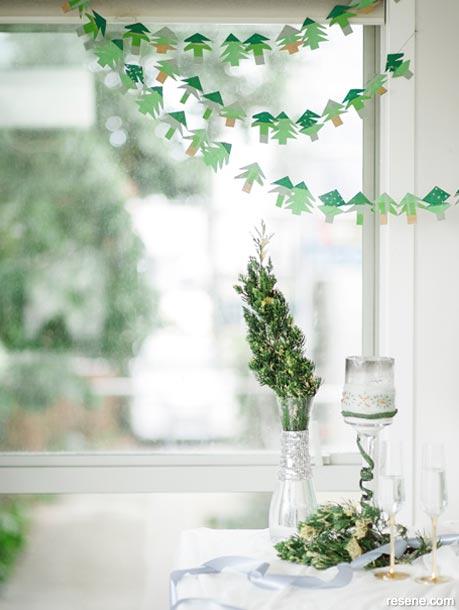
Create handcrafted celebrations using Resene testpots. Find out how to create your own with these easy step by step instructions.
The Team from Neighbourly.co.nz
New Zealand homeowners are now more likely to sell at a loss than at any time since 2013, and if you’re in Auckland or Wellington, the odds are even higher.
But there is a silver lining: buyers are still in a strong position when it comes to negotiating prices.
So we’re curious…
How … View moreNew Zealand homeowners are now more likely to sell at a loss than at any time since 2013, and if you’re in Auckland or Wellington, the odds are even higher.
But there is a silver lining: buyers are still in a strong position when it comes to negotiating prices.
So we’re curious…
How are you feeling about the current property market?
If you’re keen to dive into the details, Deborah Morris breaks down all the latest insights.

19 replies (Members only)
Brian from Mount Roskill
Almost 7000 pensioners have been affected by another Inland Revenue error.
Last week, RNZ reported that 4500 people had overpaid tax after their imputation credits had been incorrectly recorded in their prep-populated tax returns.
Others got in touch and said they had also experienced a problem, … View moreAlmost 7000 pensioners have been affected by another Inland Revenue error.
Last week, RNZ reported that 4500 people had overpaid tax after their imputation credits had been incorrectly recorded in their prep-populated tax returns.
Others got in touch and said they had also experienced a problem, this time with the way that NZ Super was recorded for ACC purposes.
One man said he had been charged $301.68 in ACC earner levy for $18,854.98 of gross income from NZ Super that should not have attracted a levy at all.
He said he was not able to control this when he completed his return and did not realise the error until the process was complete.
He said he did not think a lot more about it but when he saw RNZ's reporting of the other error, he realised that there had been at least two this year.
"This really starts to suggest a deficiency in change control of IRD systems."
Another couple said they wanted assurance that Inland Revenue had taken steps to stop it happening again.
======================================
Inland Revenue said 6778 people were affected.
======================================
"There was an issue identified earlier this year where we were not populating the 'earnings not liable' figure correctly for some customers. We fixed those returns for the customers in July 2025."
Chartered Accountants Australia New Zealand tax leader John Cuthbertson said ACC was not paid on NZ Super because it was not liable income.
"However, if you're working and receiving NZ Super, your earnings from that work do attract levies."
"The advancements in digitalisation and MyIR have been quite incredible, except when it goes wrong like this. You shouldn't need a Chartered Accountant to check prepopulated forms, but the average person might not know that super income does not attract ACC levies. We used to say 'google it' but many taxpayers are now using AI to do a basic check of their tax returns, asking simple questions like 'Should I pay 'x' levy on 'y' income?"
Angus Ogilvie, managing director of Generate Accounting Group, said it was concerning that issues seemed to be leading to erroneous data being prepopulated into Inland Revenue's system.
"The new software employed was a very costly and complex project. However, taxpayers should expect that there is a high level of diligence applied to get their tax obligations right. Let's hope that the department is devoting urgent resource to correct these issues".
======================================================

Tara from Morningside
The table will be outside by the footpath at 4 Collingwood St,Freeman’s Bay.
Free



The Team from New Zealand Police
Police are reminding people to keep their homes secure during the summer months.
Inspector Glenda Barnaby, Christchurch Area Prevention manager, says daytime burglaries are just as common as nightime burglaries.
“Burglaries can be committed at any time of the day, and coming into warmer … View morePolice are reminding people to keep their homes secure during the summer months.
Inspector Glenda Barnaby, Christchurch Area Prevention manager, says daytime burglaries are just as common as nightime burglaries.
“Burglaries can be committed at any time of the day, and coming into warmer months there is more opportunity for thieves."
"Although a majority of burglaries involve forced entry through windows and doors, we are starting to see more incidents at insecure premises. Police deal with cases where burglaries are committed in broad daylight, sometimes even while the victim is at home. Good weather means open doors and windows, which makes homes more vulnerable to burglars.”
Inspector Barnaby says there’s a few things people can do to reduce their changes of a burglary being committed.
⚠️ If you’re going outside for gardening, relaxing in the sun, or working in the garage, take a moment to lock your doors and secure your windows first.
⚠️ Do the same at night when you go to bed - keep your doors and windows secure and close your curtains. Fitting window stays means you can get a breeze coming through, while keeping your windows secure.
⚠️ Get to know your neighbours - let them know if you’re going away and look out for one another.”
If you see any suspicious activity, people or vehicles in your neighbourhood, don't hesitate to contact Police.
If you witness or suspect any illegal activity, please call 111 if it is happening now, or make a report through 105 either online or over the phone, if it is after the fact.

Brian from Mount Roskill
While New Zealand might have about a dozen sectors paying at least a median $100,000 a year, there are almost as many paying barely more than the minimum wage.
Data compiled by Infometrics showed the median and mean salaries across industries throughout the country.
The data does not adjust for … View moreWhile New Zealand might have about a dozen sectors paying at least a median $100,000 a year, there are almost as many paying barely more than the minimum wage.
Data compiled by Infometrics showed the median and mean salaries across industries throughout the country.
The data does not adjust for hours worked, and some of the workers may not be working a 40-hour week.
But it shows that on an annual basis, many sectors were not delivering incomes that were equal to the minimum wage.
The minimum wage of $23.50 an hour works out to just under $49,000 a year for a full-time, 40-hour a week worker.
Fuel retailing was paying a median of almost exactly the same amount.
Food retailing was paying less, at $45,030. Accommodation was slightly more, at $49,240, and food and beverage services was significantly less at $40,170.
Also within $10,000 of minimum wage were "other store-based retailing" at $53,220, sport and recreation services at $53,350 and personal and other services at $54,170.
Ministry of Business, Innovation and Employment data last year showed that about 141,900 people would be directly affected by the minimum wage rising to $23.50, indicating they were at that point being paid less than that amount per hour.
Infometrics principal economist Nick Brunsdon said skills and experience explained a lot of the variation in incomes.
"Industries that need a more skilled workforce generally pay more - because they can get a lot of value out of their workers, and workers need a good incentive to gain those skills - for example, medicine. Industries that take in a lot of lower qualified staff, like hospitality, can get away with paying a lot less, and still get plenty of job applicants.
"There are other factors like desirability - some jobs might not have a high skill requirement but are somewhat undesirable - say underground coal mining - so higher pay is necessary to find workers."
CTU policy director and economist Craig Enney said "hours adequacy" was a big problem in many sectors.
"You've got someone who's working 20 hours a week or 25 hours, on $25 an hour, so you're earning $500 a week. Is that enough? No.
"The challenge is often about the structure of employment in some of those sectors…In hospo, in retail, in catering, in a range of other sort of service-based industries, it's wanting more hours and not getting it."
The latest labour market statistics showed the the number of underutilised people in the country had risen to 403,000.
"These are people who want more hours, want more work and can't get it. And that may be a key reason why, you know, total incomes are so inadequate for some people. And that's also partially helping to explain why the headline unemployment rate is not rising as quickly as some people had predicted."
Jake Lilley, a spokesperson for financial mentor network Fincap, said it was something mentors dealt with.
"They also help people work out what is realistic in terms of taking on hours while balancing additional childcare costs. Our latest Voices reporting recorded 31 percent of those supported by a financial mentor as having a mix of income from salary or wages as well as income support.
"It is a real juggle to navigate finances when unpredictable sporadic hours of work need reporting to Work and Income in what can be impractical timeframes. An example might be someone being asked to stay on for a longer shift by their manager and being unable to contact Work and Income when that day is the deadline to report other income.
"Someone might also not know exactly what their pay will be until a payslip is provided after the reporting date. Such situations can often result in overpayment debts from Work and Income compounding the difficulty of administering already tight finances."
=======================================================
 Loading…
Are you sure? Deleting this message permanently removes it from the Neighbourly website.
Loading…



© Neighbourly 2025