






What Are the Basic Styles of Fabric for Curtains & Upholstery?
There are five different styles/category of fabric that form the foundation for the vast array of curtain and upholstery fabrics you see on the market today. Each fabric style outlined below has its own unique characteristics and are produced using different techniques. Some of these fabric types will be well known to you like plain and printed fabrics, while others less so.
You may be wondering why cotton and linen for example are not included here – this is because they are a type of composition that falls within one of these categories below.
Here we give you a high-level overview of the styles of fabrics available to you for your home interior or commercial interior project.
PLAIN: Plain fabrics are characterised by simple weaves and textures not showing any complex design.
Simple weaves are for instance – hopsacks, twills, herringbones and satins. Common fabric compositions used for plain fabrics include natural fibres (cotton, linen) as well as synthetic fibres (polyester, acrylic, etc.)
Plain interior fabrics take on a simple and paired back aesthetic. Ideal for a minimalist décor, you can complement plain fabrics with more textured and tactile textiles for added interest to your home décor.
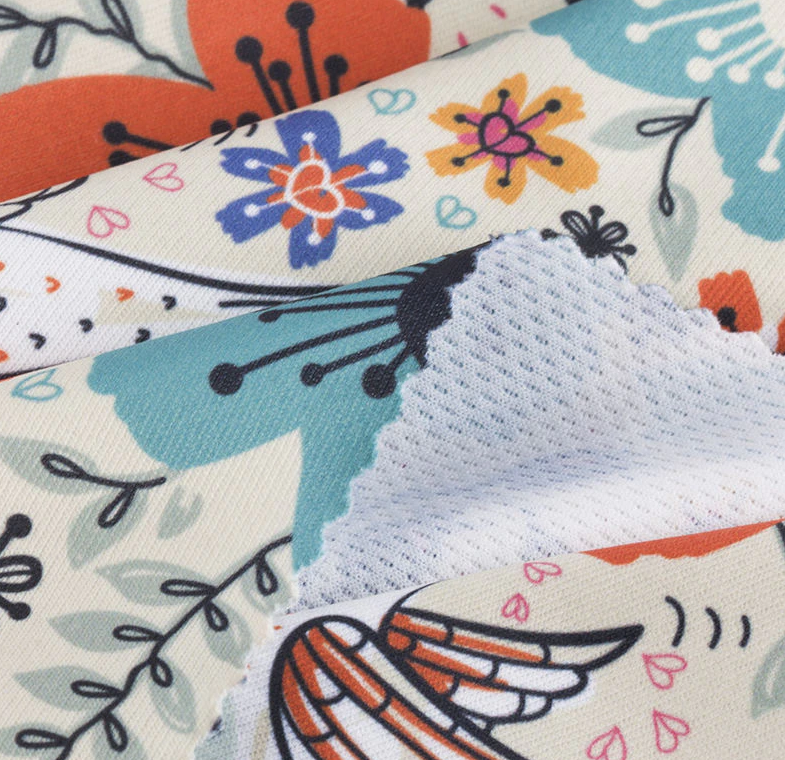
PRINTED: Printing is the process of applying coloured designs and patterns to a woven textile. One or more colours are applied to the fabric in specific parts only, using thickened dyes to prevent the colour from spreading beyond the limits of the pattern or design. In quality printed fabrics, the colour is bonded with the fibre so as to resist loss of dye from washing and friction (crocking). Printing is an ancient textile manufacturing technique of which there are five print production methods you can use:
Burn Out Printing: A process which uses chemicals, rather than colour, to burn out or dissolve away one fibre in a fabric. The purpose is to achieve a sheer design on a solid or opaque fabric. The chemicals used during production can make this fabric sensitive to ultraviolet degradation when hung in direct sunlight.
Digital Printing: Rapidly becoming a popular and commercially viable printing method due to its flexibility, precision and consistency. With this new printing technique it is now possible to print any design, even with photographic detail, onto fabric. There are no restrictions in the amount of colour that can be used.
Engraved Roller Printing: The printing method used for the majority of fabrics worldwide. The colours are printed directly onto the fabric. There must be one roller for each colour used in the print. The more colours used, the better the print definition and depth of colour. The number of colours used is printed on the left hand selvedge of a fabric along with the brand.
Keep reading: www.curtainclean.co.nz...


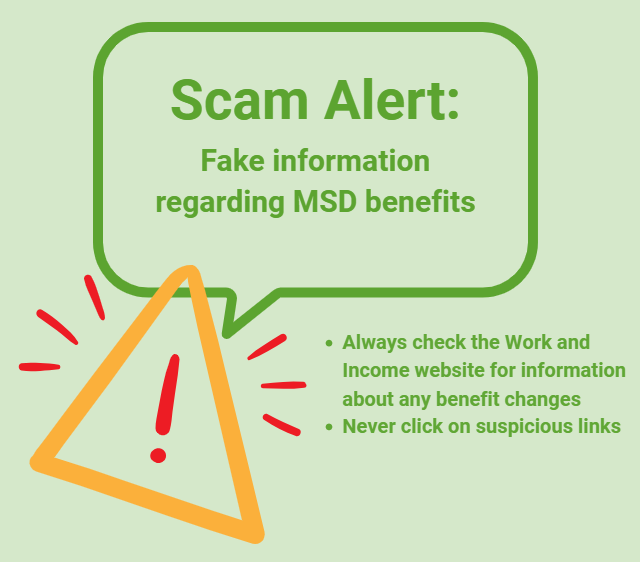
Scam Alert: Fake information regarding December Bonuses from MSD
The Ministry of Social Development is reporting that fake information is circulating about new ‘December bonuses’ or ‘benefit increases’
If you get suspicious communication, please contact Netsafe.
Poll: Do you set New Year’s resolutions?
🎉 2026 is almost here!
We’re curious ... how do you welcome it?
Do you set resolutions, follow special traditions, or just go with the flow?

-
10% Yes! New Year, New Me
-
16.9% Yes - but I rarely stick to them
-
73.1% Nah - not for me
Update to Neighbourly members on data breach 06/01/2025 8am
Yesterday in the High Court at Auckland, Neighbourly was successful in being granted an injunction against any unauthorised use of the data taken in a recent breach.
As we alerted you on January 1 and confirmed on January 3, our systems were accessed illegally and members’ information, including names, email addresses, GPS coordinates from the address you provided to us, forum posts and direct member communications were among the data that was accessed.
We acted immediately upon hearing of a potential breach: we temporarily disabled the site, notified members and authorities and worked with our external security consultants to understand if and how it had occurred. We then confirmed the breach with members, safely restored the site to service and began the process of seeking the injunction. Yesterday’s decision by Justice Johnstone prohibits the use of the data by any unauthorised person, and requires them to permanently delete it, or any information obtained from it.
This does not mean that vigilance against scammers is not still required: there is a large industry globally that seeks to use stolen information for identity fraud or to dupe people into providing details of their financial affairs for theft. Again, to keep yourself safe from scammers it is critical that you:
- Don’t click links in emails. Instead, type the web address directly into your browser. This helps ensure you’re visiting a real site, not a fake one
- Enable two-factor authentication where available as this adds an extra layer of security to your data
- Stay alert for phishing emails. Be cautious of unexpected emails asking for personal information, especially ones that create a sense of urgency.
Again, we want to apologise to you for this illegal access to the Neighbourly database and to assure you that we have carefully worked through how this occurred. We have safely secured the site and its services for use and ensured we have robust processes in place so this cannot happen again.
We are continuing to work with the relevant authorities, including the National Cyber Security Centre, on any further steps we need to take.
If you have any further questions please contact us via our customer support team at helpdesk@neighbourly.co.nz.
 Loading…