






How to Make Hemp Rope
Knowing how to make rope was once a critical skill for survival and self-sufficiency on the frontier. Early settlers were able to make rope from a variety of materials, but the main thing they used was hemp.
A rapid growing plant, hemp is perfect for making rope. Hemp grows fast. It produces up to 75 tons of dry matter per acre per year. It thrives in poor soil, needs no fertilizers or pesticides to succeed, and gobbles up atmospheric CO2, stymieing the greenhouse effect. It produces more fibre per pound than either cotton or flax, and these fibres are easily extracted in order to make hemp rope, twine, or cord.
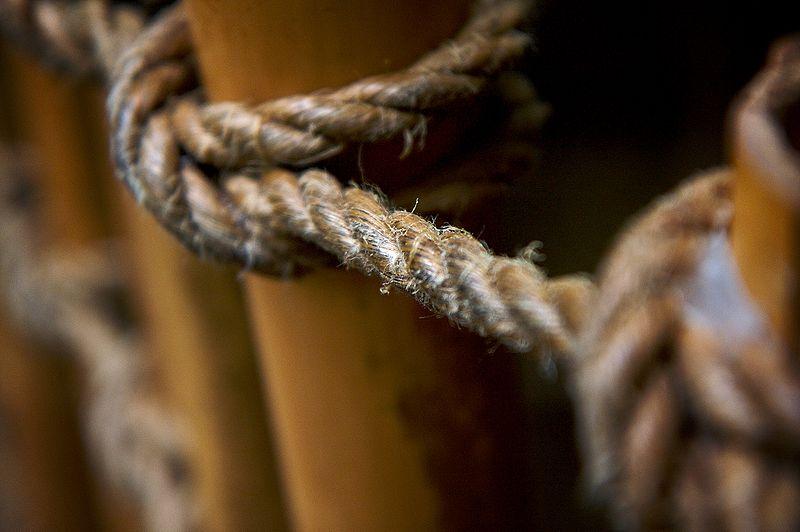
Hemp rope is easy to make. Some methods involve using a rope machine, but fortunately such an investment isn’t necessary to the process. All you really need is some hemp fibre or hemp twine, and a short piece of wooden dowel. Our hemp rope maker, available in our shop, will really streamline the process for you if you plan on making lots of hemp rope.
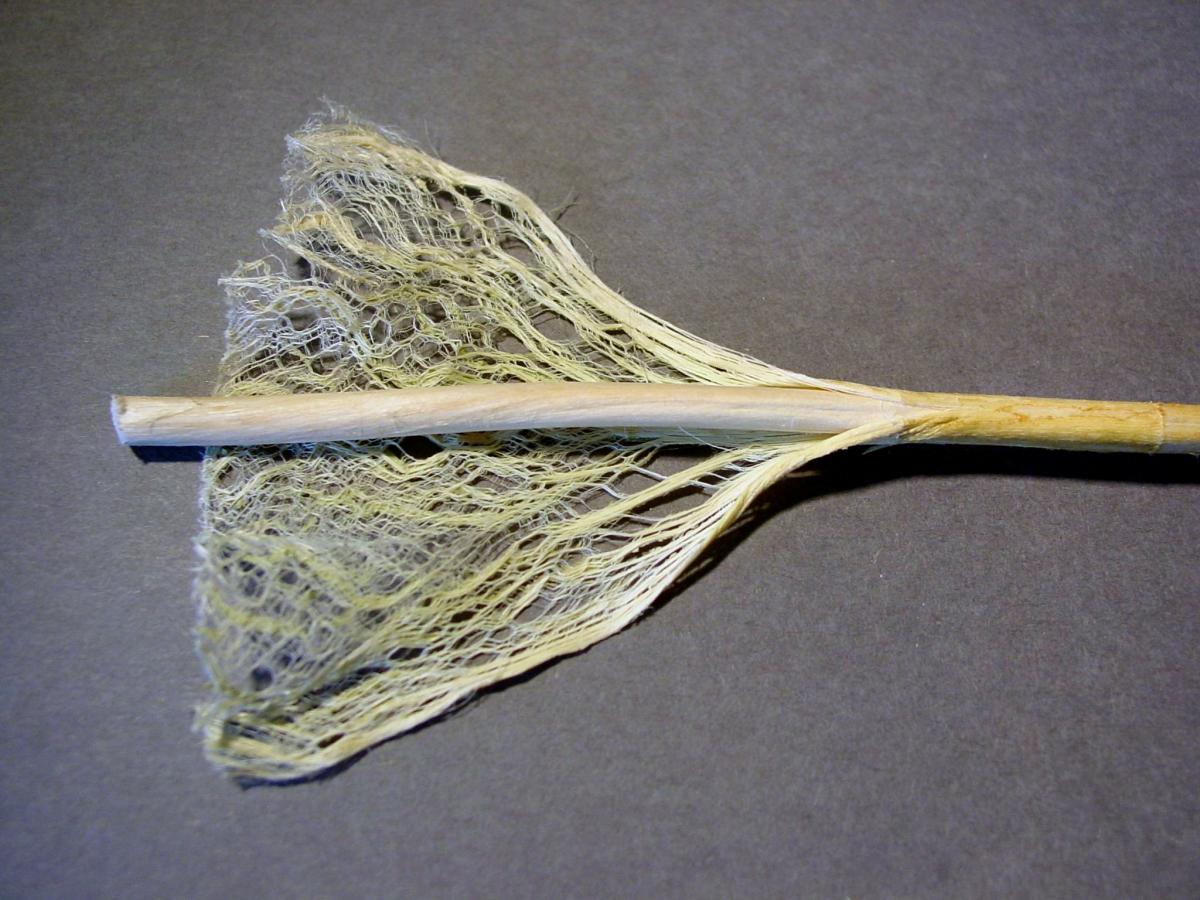
Step one: Separate the hemp fibres or unwind the hemp yarn and cut into lengths approximately twice as long as the desired length of the rope. Continue cutting until you have a bundle of fibres approximately half the size of the diameter of rope you’d like to make.
Step two: Grab the bundle of fibres and fold it in half, securing the fold by placing a dowel rod through the resultant loop and into the ground. Smooth the fibres of this bundle down by running your hand along the length of the cord.
Step three: Divide the bundle in two, holding half the fibres in your left hand and half the fibres in your right.
Step four: Twist each bundle clockwise until the cord you are creating begins to kink and loop. Pull as hard as you can while twisting.
Step five: Twist the two cords together, wrapping one over the other in a counter clockwise motion, to form a rope.
Step six: Secure the ends with overhand knots beginning with the end in your hands. Once the first end is tightly tied, slip the rope off the dowel rod and tie it as well.
To make a cable, repeat steps 2 through 6 and twist the two ropes together. This process can be repeated as many times as you like, making thicker, stronger cables as you go.
Enjoy making your own hemp rope! This technique can be used to make hemp twine, hemp cord. and hemp yarn as well. It all depends on the size of the fibres you start with. Need some ideas for what to do with your newly made hemp rope? Try using a piece as a clothesline, for air-drying your clothes. Make a hemp leash for your pet, or keep your hemp twine petite for use in jewellery making.
Making rope is a great way to be self-sufficient and eliminate the supply chain requirement. Everything you can make yourself is one less packaged product– in this case, one less coil of synthetic rope– that needs to be manufactured for you. Have fun!

Scam Alert: Fake information regarding December Bonuses from MSD
The Ministry of Social Development is reporting that fake information is circulating about new ‘December bonuses’ or ‘benefit increases’
If you get suspicious communication, please contact Netsafe.
Poll: Are Kiwis allergic to “exuberance”? 🥝
In The Post’s opinion piece on the developments set to open across Aotearoa in 2026, John Coop suggests that, as a nation, we’re “allergic to exuberance.”
We want to know: Are we really allergic to showing our excitement?
Is it time to lean into a more optimistic view of the place we call home? As big projects take shape and new opportunities emerge, perhaps it’s worth asking whether a little more confidence (and enthusiasm!) could do us some good.
-
41.8% Yes
-
33.5% Maybe?
-
24.7% No

Some Choice News!
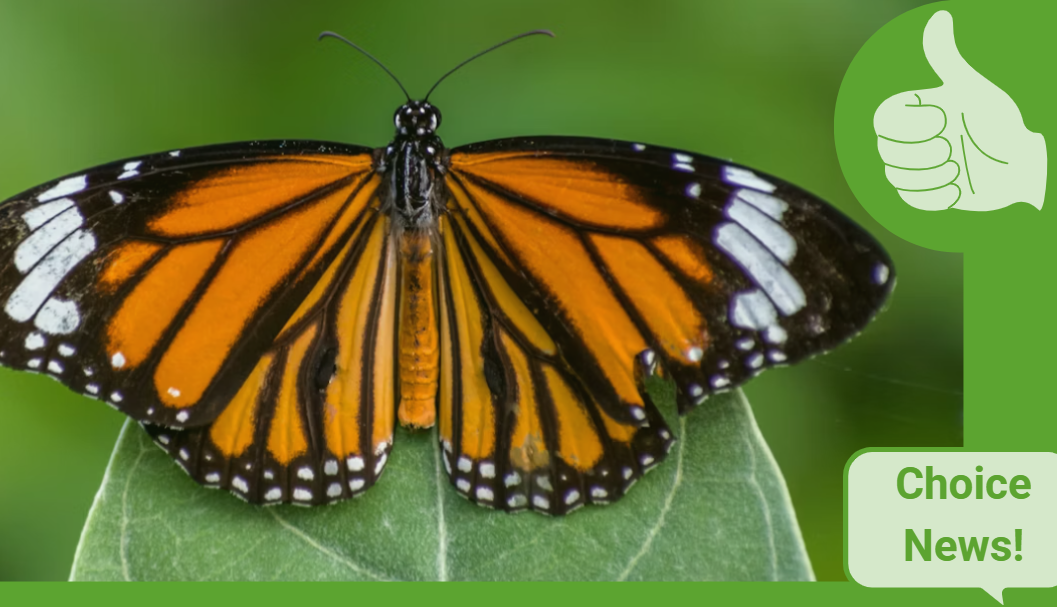
Many New Zealand gardens aren’t seeing as many monarch butterflies fluttering around their swan plants and flower beds these days — the hungry Asian paper wasp has been taking its toll.
Thanks to people like Alan Baldick, who’s made it his mission to protect the monarch, his neighbours still get to enjoy these beautiful butterflies in their own backyards.
Thinking about planting something to invite more butterflies, bees, and birds into your garden?
Thanks for your mahi, Alan! We hope this brings a smile!
 Loading…