
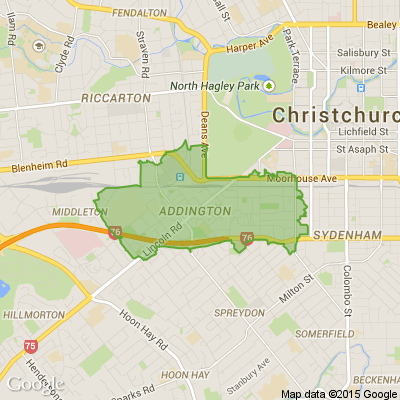






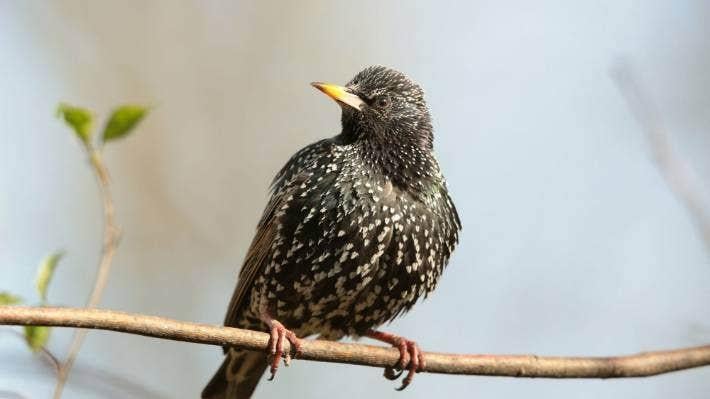
As a Christchurch street is blighted by starlings, how do you get rid of the winged pests?
From reporter Lee Kenny:
---------------------------
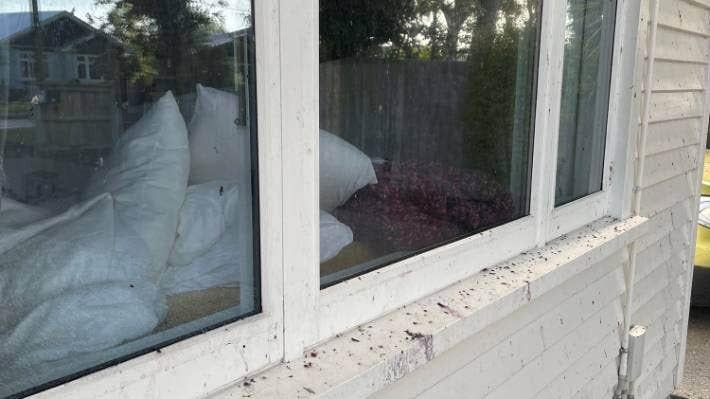
For the Christchurch residents living in a street blighted by bird poo starlings are a menace – but how do you deal with the flying pests?
According to New Zealand Birds Online, the common starling was introduced for insect control, but they are now found across Aotearoa and the Subantarctic Islands.
They nest in hollow trees, under house eaves and even in letter boxes. As well as creating a mess, they eat crops and make a noise, which some people find annoying.
There are a range of methods to discourage starlings, from the cheap to the costly.
Westport-based Maintrac Group sells a range of equipment for dealing with pests, like starlings.
These include the high-tech Bird-X, a $795 device that uses red and green laser beams to deter birds.
Deploying bird spikes is among the least expensive options. The stainless steel spikes can be adhered to surfaces, preventing birds from landing and therefore pooping on property below.
“A successful way to deter starlings is to prevent them from landing,” Maintrac Group's website says.
“Starlings need a lot of energy just to fly, so if they are prevented from landing near a food source they soon use up what energy they do have, and have to move off to other areas to feed. If one goes, they all go.”
Shiny holographic tape can also be applied to surfaces to discourage the birds from settling, while an artificial osprey hawk does a similar job.
Another option is a Carousel Gas Gun, which makes a loud bang and scares unwanted birds away.
The noise will be familiar to anyone who has spent time in the countryside, but the intermittent blasts might not be suitable for suburbia.
A less noisy option might be an ultrasonic bird and animal repellent, which emits a high-frequency sound to scare away flying pests.
Despite the thousands of starlings that descend on Dudley St, Richmond, each summer, one pest expert said they are not a common problem in Christchurch.
“The bird-work we do is usually involving pigeons,” Gary Hendrikse, director of Elite Pest Control, said.
“I don't think I've ever had a call to get rid of starlings.
“The only other nuisance birds are ones that nest in people's ceilings, that's often to do with preventing access.”
Other methods for discouraging starlings include removing nests and food sources, and patching up holes to areas that could be used as a nesting site.

Scam Alert: Fake information regarding December Bonuses from MSD
The Ministry of Social Development is reporting that fake information is circulating about new ‘December bonuses’ or ‘benefit increases’
If you get suspicious communication, please contact Netsafe.

Poll: Are Kiwis allergic to “exuberance”? 🥝
In The Post’s opinion piece on the developments set to open across Aotearoa in 2026, John Coop suggests that, as a nation, we’re “allergic to exuberance.”
We want to know: Are we really allergic to showing our excitement?
Is it time to lean into a more optimistic view of the place we call home? As big projects take shape and new opportunities emerge, perhaps it’s worth asking whether a little more confidence (and enthusiasm!) could do us some good.

-
41.7% Yes
-
33.5% Maybe?
-
24.8% No

Some Choice News!
Many New Zealand gardens aren’t seeing as many monarch butterflies fluttering around their swan plants and flower beds these days — the hungry Asian paper wasp has been taking its toll.
Thanks to people like Alan Baldick, who’s made it his mission to protect the monarch, his neighbours still get to enjoy these beautiful butterflies in their own backyards.
Thinking about planting something to invite more butterflies, bees, and birds into your garden?
Thanks for your mahi, Alan! We hope this brings a smile!

 Loading…