







10 tips for successful decluttering
1. Don’t start what you can’t finish
It’s important to start decluttering when you’re in the right frame of mind to see it through until completion, says Katie. Often, this means enlisting the help of others, such as family, friends, or professionals like Moving On.
Decluttering requires a lot of energy. You’ll need to make many decisions, some small and large, so going into the process with a support team can make all the difference.
“Do it properly. You never put your clothes in the washing machine, put it on, and then leave them there for two days. So what you start, finish,”..
2. Tackle photographs and paperwork first
Katie suggests starting with the most important things: paperwork, photographs, and other essential documents. She advises storing these in plastic containers instead of cardboard boxes to minimise the risk of damage.
She also has some tips for the ongoing management of paperwork, as this is often the first type of clutter to quickly build up again.
Create a designated area for mail, for example a basket near your front door.
Set aside a time to sort through your mail every week – and stick to it! Do the same for your email inbox, as digital paperwork can take up a lot of mental space.
Recycle catalogues, magazines, and newspapers quickly. If you like a particular page or article, cut it out instead of keeping the whole booklet.
3. Fix a time
Set aside a specific time to declutter and give others at least a few weeks’ notice. As you’ll likely need plenty of help, inspire those involved to make a fun day out of it. Let them know you’ll provide food and good company. Be specific about when you need them to arrive and how long you think it will take.
“You need to say, listen, when are you available? These are the times we are going to work on the house. We’re going to do it on Saturday three weeks away, let’s start at 10 am, I’ll make a bacon and egg pie,”.
“The more convivial you can make it, the better. You need to get everyone inspired.”
4. Keep only what you use often
The aim of decluttering is to keep only what you use often. If you haven’t used something in the past year, Katie suggests asking yourself these questions:
Do you still need it?
Will you use it again?
Is it worth the space it’s taking up?
5. Stop storing other people’s stuff
“Any clutter you live with should not belong to others,” says Katie.
If you’re still storing other people’s stuff, it’s time to give it back to its rightful owners. It’s no longer your responsibility to hold on to family member’s belongings. Let them know you’re decluttering and give them a reasonable timeframe to collect their things.
6. Share the love
Once you have decided which items you’d like to let go of, look for places or people who might appreciate them.
“There’s so many things you can do with your belongings that can help someone else. I say to people all the time: share the love,” says Katie.
“People are generous. Most people have big hearts and want to share the love. If they’re not going to use it, they’d rather someone else used it. It’s a win-win.”
7. Use your crystal and china
If you have precious family heirlooms sitting in the back of a cupboard gathering dust, Katie believes now is the time to bring these out and enjoy them.
“All of these items were made to be loved,” she says.
If you don’t wish to use them, and your family don’t want them, then it’s better to sell them and buy something you will love to use. That way, another family can enjoy these precious items.
“The beautiful glasses, the china, the silver – use it. That’s my best advice I can give you,” says Katie.
8. Streamline your wardrobe
Katie once worked with a client who had over 50 pairs of black pants. It’s natural to accumulate multiple items of the same clothing over time (Katie says her weakness is white sneakers!). Decluttering is the perfect opportunity to streamline your wardrobe.
“If you haven’t worn it for two years, do you really want it? Maybe you should consider living without it,” advises Katie.
She has two suggestions for managing your wardrobe on an ongoing basis:
Don’t bring anything in unless you take something out.
Every time you wear something, turn the hanger the opposite way. Then in a month or two, assess the hangers to get an idea of what items you’ve actually put on.
9. Tackle your kitchen drawers
The kitchen is another place where clutter can build up quickly. It’s common for people to have four or five of the same thing, for example ladles, wooden spoons, peelers, can openers, and the like.
Katie suggests getting a little box and placing it on your bench. Every time you use something out of your utensil draw, pop it in that box. You’ll likely see that you reach for the same utensils over and over again, while others rarely see the light of day.
She advises keeping your favourites and giving away the rest. In the future, you can always borrow utensils you rarely use from a neighbour.
10. Fully commit to a decluttering routine
After your initial decluttering efforts – for example, to downsize and move into a smaller home or village – it’s important to try to commit to an ongoing decluttering routine. This will help to keep clutter to a minimum over the long term and avoid it building up again.
Katie has some great tips for managing clutter on an ongoing basis:
======================================================
Make sure everything has a designated home.
Start to put things away as you go.
Set aside time to sort through clutter every week.
It might take a few weeks to get into a regular routine, but it’s worth the effort. Living in a clutter-free, clean environment is great for your mood and makes life that much easier.
===============================================
Katie Fitzpatrick---Professional de-clutterer and moving specialist
==============================================

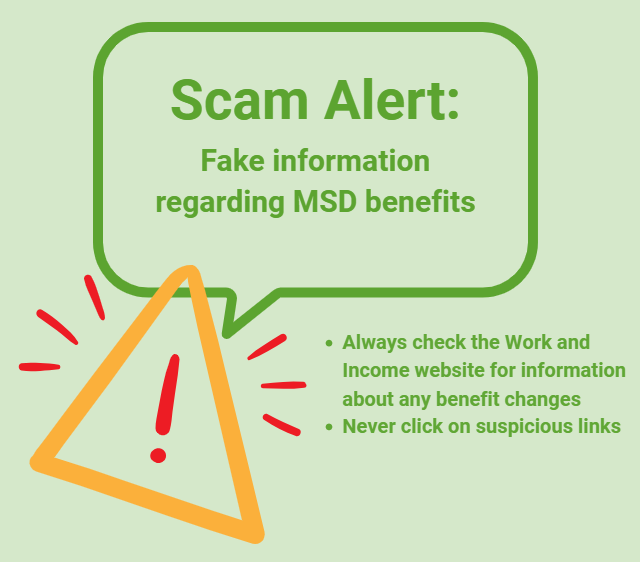
Scam Alert: Fake information regarding December Bonuses from MSD
The Ministry of Social Development is reporting that fake information is circulating about new ‘December bonuses’ or ‘benefit increases’
If you get suspicious communication, please contact Netsafe.
Poll: Are Kiwis allergic to “exuberance”? 🥝
In The Post’s opinion piece on the developments set to open across Aotearoa in 2026, John Coop suggests that, as a nation, we’re “allergic to exuberance.”
We want to know: Are we really allergic to showing our excitement?
Is it time to lean into a more optimistic view of the place we call home? As big projects take shape and new opportunities emerge, perhaps it’s worth asking whether a little more confidence (and enthusiasm!) could do us some good.

-
41.8% Yes
-
33.5% Maybe?
-
24.7% No
Tips and advice to stay street smart this summer
Summer is finally here!
Time for BBQs, holidays, Christmas, travelling and events galore.
We've put together a whole range of tips and advice so you can put your feet up and relax this summer, knowing that it's all good in your hood.
Our first piece of advice to make your neighbourhood safer this summer, is to get to know the people who live around you! People who know each other are more likely to offer, accept, and ask for help when needed.
Shop Safe - Preventing Fraud & Scams
You might find yourself making more purchases than usual at this time of year, and many of those might be online, so here's a set of tips and advice to make sure you stay safe and secure whilst doing your Christmas shopping this year. And remember to think about the security of your online shopping when it gets delivered!
Heading away this summer?
It's a busy time of year on new Zealand roads and everyone wants to get from A to B safely. It's also important that your home stays safe while you're away enjoying your 'home away from home'. We have put together a set of tips and advice to help make that happen!
Keeping your car, home and belongings safe
From recording valuable possessions to securing locks, keeping valuables hidden and informing trusted neighbours that you will be away, there are many things you can do to keep your car, home, and belongings safe. Here's a bunch of handy tips!
Party planning checklist and fire-wise tips
Whether it’s a small backyard gathering, or a big celebration for a special occasion, a little extra planning and consideration will go a long way in keeping you, your guests, and your neighbours happy. We also have some tips to make sure you and your families stay fire-wise during summer.
Get to know your neighbours - look out, reach out, help out
The most important action you can take to make your community safer is get to know the people who live around you. People who know each other are more likely to offer, accept, and ask for help when needed.
It is also important to know who to contact in an emergency and when to use the non-emergency contact for NZ Police. Learn more about Neighbourhood Support, get tips on getting to know your neighbours and the best way to contact the police below.
Strong communities start with small hellos
In terms of crime prevention, your neighbours are the best and cheapest security system you can have. You don't have to love your neighbour, but at least get their number just in case!
===================================
Have a happy, safe and connected summer!
===================================
 Loading…