Know what’s happening
Access the private noticeboard for verified neighbours near you. Keep informed about any suspicious activity, send urgent updates to your neighbours when required and discuss emergency planning.
Get to know your neighbours
Browse the directory and start getting to know your neighbours. Don’t want to post to the whole neighbourhood? Send a private message.
Buy, sell and give away
Want to declutter your garage? Buy some used household items? Give away some garden stuff? Become a verified neighbour to browse and post items for sale. Trading is simple when everyone lives nearby.
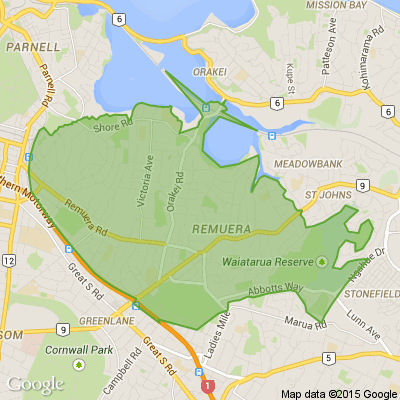
Remuera is one of Auckland's older suburbs characterised by its quiet tree lined streets
Nearby
St Heliers, Kohimarama, Ellerslie, Newmarket, Mission Bay, Parnell, Saint Johns, Meadowbank, Stonefields, Mount Wellington, Orakei, Greenlane, EpsomSeen anything suspicious lately?

Share it with your neighbours here.
Thank you for using Neighbourly
You may receive an email confirmation for any offer you selected. The associated companies will contact you directly to activate your requests.
David from Remuera

In today’s Christian church space, we face a crucial imperative in addressing the Treaty of Waitangi, focusing on vital areas such as reconciliation, ethics, professionalism, and discrimination, as well as how the church can engage with this vital document to foster clarity, justice, and unity … View moreIn today’s Christian church space, we face a crucial imperative in addressing the Treaty of Waitangi, focusing on vital areas such as reconciliation, ethics, professionalism, and discrimination, as well as how the church can engage with this vital document to foster clarity, justice, and unity within Aotearoa.
As many of us are aware, on an annual basis, on 6th February, New Zealand pauses to remember the significant event in its history that remains contentious today. In 1840, the Treaty of Waitangi was signed on the front lawn of British missionary James Busby’s home at Waitangi. The Treaty, known to the Māori as Te Tiriti o Waitangi, was signed by a Crown representative and over 500 chiefs, signalling the arrival of British rule in New Zealand. It was translated and presented to the Māori chiefs by Reverend Henry Williams, with the help of his son, Edward. At the same time, discrepancies arose between the English and Māori versions, with only thirty-nine chiefs signing the English version, fuelling differences in expectations regarding power and rights.
First and foremost, the English version of the Treaty granted New Zealand’s sovereignty to Britain, which in turn granted the Crown the exclusive right to purchase Māori lands, ensuring that Māori retained full ownership of their lands and possessions, alongside the rights and privileges of British subjects and Crown protection. Conversely, the Māori version conveyed different meanings, leading to misunderstandings regarding governance, land rights, and equality. Prior to 1840, Britain had not officially claimed New Zealand, and issues regarding land purchases became apparent upon Hobson’s arrival. Despite efforts to negotiate with the Confederation of Chiefs, challenges emerged due to conflicting interpretations of independence and sovereignty.
Firstly, the ongoing reconciliation process concerning Te Tiriti o Waitangi remains crucial even centuries after its signing. Despite Māori exercising significant control over Aotearoa in 1840, their authority was later reduced to a mere four per cent of the land. Nonetheless, this loss of mana whenua has contributed to persistent tensions between Māori and Pākehā. Hence, the complex relationship is deeply rooted in colonial history, and today, it is further complicated by Pākehā attempts to redefine their identity and connection to the land, which inevitably affects their interactions with Māori communities.
Hereafter, the Christian public theology of social reconciliation provides a significant framework to address these issues. In accordance, this theological perspective emphasises forgiveness and reconciliation in Aotearoa and highlights the church’s historical commitment to peace. Back in the early nineteenth century, the church focused on Māori inter-tribal warfare and later addressed the consequences of colonialism. Historian Claudia Orange noted that the 1840 Treaty would not have been signed without missionary mediation. However, from the 1860s to the 1980s, the church remained largely silent on issues of colonisation, focusing instead on pastoral care for settlers.

During the 1980s, the church’s prophetic voice became more prominent, especially regarding race relations and the political and economic plight of Māori. Thus, Christians have traditionally promoted reconciliation solutions, advocating for justice, truth-telling, forgiveness, and repentance. Notably, reconciling Te Tiriti o Waitangi and the strained Māori–Pākehā relationship underscores the complexities of forgiveness and reconciliation in Aotearoa, as such developments underscore the necessity for ongoing dialogue, understanding, and action to address historical injustices and promote a more equitable society.
Secondly, it is crucial to delve into the three articles that define the Treaty’s meaning in the context of ethics and professionalism. The first article clearly outlines the authority governing New Zealand. In the Māori text, the British are granted kāwanatanga, a term with significant historical implications, while the English version asserts British sovereignty over the country. Moreover, the critical differences between the Māori and English versions in this article pertain to the translators facing a challenge with the term sovereignty, which does not exist in Māori. Since no single ruler governed the entire country, kāwanatanga was used instead. Besides rangatira, who held authority over smaller territories, Māori understood this term from the New Testament in the Bible, believing the Queen had governance power but not authority over their affairs, expecting protection in return.
The second article addresses Māori land rights and possessions. Similarly, the Māori text refers to rangatiratanga, promising Māori tribes authority over their possessions, whilst the English text ensures property and ownership rights under the Crown. Moreover, the Crown regulates land sales, holding the right of first purchase to ensure communities retain sufficient land for sustenance.
The third article pertains to equality, with the Crown vowing protection and full citizenship to all Māori. Consequently, the blunt disparities between the English and Māori texts in the first article convey divergent meanings. Thereafter, the Māori translation suggests that the British are granted kāwanatanga, the right of governance. In contrast, the English translation implies that the Māori surrendered sovereignty and absolute power to the British.
Thirdly, a paramount concern arises regarding discrimination linked to the Treaty, and we must refrain from any form of discrimination while striving to honour the Treaty with respect and integrity. On the other hand, we ought to strive to balance diversity in our Eldership, Ministry Leadership, and Pastoral Staff roles by including individuals from diverse abilities and minority ethnic groups, including Māori. Similarly, a vital question arises for us to consider: do we also value our public servants who are Christians, and if so, do we acknowledge that many of them suffer under the weight of hierarchical stress and the demands of leadership? In light of this, we are called not only to pray for them but also to stand in solidarity, recognising their struggles as part of our collective responsibility in promoting justice and compassion.
On that note, it is imperative to acknowledge and honour Te Reo Māori as one of the official languages of Aotearoa, whilst we should embrace Te Reo Māori as a cherished heritage, promoting its utilisation in our church services, such as using Te Reo Māori in our welcoming, sermons, worship, and karakia, since God created us differently and with various languages. Hence, in Aotearoa, we are a unique country with Te Reo Māori.
In Aotearoa, the Human Rights Commissioner integrates Te Tiriti into its work to achieve continuous improvement in human rights, creating a credible and effective organisation that makes Te Tiriti and human rights relevant and positively impacts individuals, whānau, and iwi. Most importantly, we should not discriminate against people of different abilities, cultures, or races, including our indigenous people of this land.
Whereas, we ought to implement courses such as Ethics and Professionalism in all qualifications offered by both secular and Christian tertiary institutions and make them compulsory. By contrast, my initial Information and Communication Technology qualification training at Manukau Institute of Technology required a minimum pass mark of 80%, where students needed to be fully competent and professional within their field before finding suitable employment, whilst people like myself find it incredibly discouraging that, despite such rigorous training, many who work hard to gain their qualifications are left struggling to find employment, which feels like being punished for their commitment and sacrifice. With that said, a strong plea must be made for all academia to ensure that every programme of study, within the current qualification framework, includes not only the understanding of their respective culture but also the code of ethics that governs their professional responsibilities as a compulsory component.
As per the New Zealand Baptist affirmation statements, it is emphasised on the vital importance of embracing diversity, for which we ought to be responsible and accountable. God has given us the task of exemplifying His eternal word, which shapes and strengthens us through Christ. Not only that, it is critical to educate against negative attitudes towards people with different abilities, particularly those with autism, which are often misrepresented in theological discussions and lead to a lack of empathy and discrimination. In saying that, such attitudes contradict the principles of the Treaty and the Human Rights Act, which must be recognised and respected. Moreso, we ought to value ethnic diversity as essential for fostering peace and unity within our church.
Ultimately, as a church whānau and faith community, there is a significant role in promoting understanding and advocacy of the Treaty, encouraging every Christian who serves as a leader or volunteer to register under the Baptist Leader’s Registration. As part of the Baptist Churches of New Zealand whānau, it is crucial to be aware of the vital Treaty statements that have been affirmed. Examples include recognising the Treaty’s impact on the relationship between Tāngata Whenua and other citizens, breaking barriers for Māori to respond to the gospel authentically, and fostering reconciliation and development between Tāngata Whenua and Pākehā, as echoed in Ephesians 2:19. Conversely, it encourages churches to engage with Māori communities, promote Treaty understanding and pre–1840 history, and advocate for Treaty honour by the government, where implementing the Treaty affirmation statements is vital to ensure accountability, responsibility, and adherence to the Treaty within our church roles at our Baptist Churches.
In light of the above, it is vital to commit wholeheartedly to our mission by educating our church whānau and community regarding reconciliation, learning to act ethically and professionally while adhering to the Treaty within our church space, where we ought to leave behind the stigma of the past and focus on Isaiah 43:19–21, as discussed by Matt Renata at the 2022 Baptist Hui, where he emphasised reflecting on our story and its significance for the future of the Baptist movement in Aotearoa, highlighting the ongoing presence of the Holy Spirit among Māori. On the other hand, we must also learn from past injustices towards Māori, which deprived them of identity and community, exposing a gap in all churches and to be thankful to God, Māori, and Pākehā Christians for spreading the gospel and Jesus Christ’s teachings across our nation.
In conclusion, Romans 13:1–7 urges us to submit to governing authorities, as all authority is from God, emphasising respect out of fear of punishment and conscience. Henceforth, culture raises questions of power within the Christian community, focusing on context and cultural change for the church’s future. Theologians believe in the imago Dei,18 which reflects aspects of God’s nature and suggests that humans share some of God’s essence. Moreso, the relational and functional views emphasise relationships and our role as stewards of creation. It is vital that we value each other, recognising our unique creation in God’s image and our shared belief in the Triune God.
Consequently, it is disheartening that some Christians neglect laws, fail to honour the Treaty, and lack ethics and respect for diverse perspectives.20 Nevertheless, we are called not only to honour the Treaty but also to be thankful for the everyday rights and freedoms we enjoy, such as the ability to live, work, and establish homes in this country, which are not to be mistaken merely for matters of overseas investment but recognised as blessings that remind us of the deeper responsibility of belonging to and caring for this land.
Finally, as believers and non-believers, there remains the same responsibility to respect the land and its governing authority, valuing the privilege of living here and not taking it for granted, while also being encouraged to follow us in upholding truth, justice, and reconciliation for the sake of all. Let us move forward as a united people, closing this generational gap issue, ensuring that fresh voices are heard at the table, including a good balance of a strong leadership culture that brings wisdom to be shared across all generations, and that diversity remains the strength of both the church, our workplaces, and the environment of our community in today’s society.
In light of the above, you can refer to the full written article published on Substack: substack.com....
Antonio from Pronto Movers
*"Moving Made Simple with Pronto Movers! 🚛🏡"**
Looking for a fast, reliable, and stress-free moving service? Look no further!
🔹 **Local & Long Distance Moves**
🔹 **Furniture & Office Relocation**
🔹 **Friendly, Professional Team**
🔹 **Affordable Rates … View more*"Moving Made Simple with Pronto Movers! 🚛🏡"**
Looking for a fast, reliable, and stress-free moving service? Look no further!
🔹 **Local & Long Distance Moves**
🔹 **Furniture & Office Relocation**
🔹 **Friendly, Professional Team**
🔹 **Affordable Rates & Flexible Scheduling**
Whether you're moving across town or across the country, Pronto Movers is here to handle it all with care and efficiency. Get your free quote today!
📦 **Book Now & Move with Confidence** 📦
Public liability & Carriers insurance included.
For quotes and bookings - email moving@prontomovers.co.nz
022 024 6753
prontomovers.co.nz...
Eve from Eve Rudkin Mindfulness
Hi Neighbours,
Did you know that Mindfulness helps us observe thoughts and stress reactions in a way which reduces their power. It allows you to become aware of your self-critical thoughts, acknowledge them, and let them pass, rather than getting swept away by them.
If you are interested, … View moreHi Neighbours,
Did you know that Mindfulness helps us observe thoughts and stress reactions in a way which reduces their power. It allows you to become aware of your self-critical thoughts, acknowledge them, and let them pass, rather than getting swept away by them.
If you are interested, you might want to join our small group for a session of ease and peace once a month. The session includes gentle movement and relaxing simple meditation.
Third Monday of the month – Not December but restarting January 19th. Meadowbank Community Centre - 1.30 - 2.45pm.
First session free, then Koha welcome.
Click Read More to find out more about what I do – I also offer one-on-one mental wellbeing sessions, courses for group bookings, and run a group for experienced meditators.
Wondering how well you’re hearing? Now’s the perfect time to find out.
At Dilworth Hearing Remuera, you’re in trusted hands. We’re proud to have been awarded Gold in the Reader’s Digest 2026 Quality Service Awards – a recognition of the care and service trusted by communities across … View moreWondering how well you’re hearing? Now’s the perfect time to find out.
At Dilworth Hearing Remuera, you’re in trusted hands. We’re proud to have been awarded Gold in the Reader’s Digest 2026 Quality Service Awards – a recognition of the care and service trusted by communities across New Zealand.
Here in Remuera, our friendly clinic team take the time to listen, explain, and support you through every step – whether you’re curious about your hearing, want help with your current hearing devices, or are helping a loved one.
We make the process easy, comfortable, and tailored to your needs.
Book your FREE hearing screening today at Remuera – available for adults 18+.
You’ll find us at 125 Remuera Road, Remuera
Call 0800 001 058 or book online
Book Online
Marketing Co-Ordinator from Auckland Netball Centre
Less than a month until school holidays.
Book your child's spot in an amazing holiday programme full of festive fun before Christmas✨🎄 at an OSCAR accredited venue👧
bit.ly...
Monday 15 December - Friday 19 December
Andrea from Mission Bay
Hello,i am wanting women who are dog lovers to start a group and become great friends to help us that suffer from Anxiety Depression. So many people sadly have this affliction and to be able to talk openly and freely when you can't talk to family would be hugely helpful.Just picking up the … View moreHello,i am wanting women who are dog lovers to start a group and become great friends to help us that suffer from Anxiety Depression. So many people sadly have this affliction and to be able to talk openly and freely when you can't talk to family would be hugely helpful.Just picking up the phone or meeting up over a coffee or tea would do so much good.I am a very private person and expect all who join the group to keep things said strictly confidential,trust and honest is key. My email is andrea.taylor@xtra.co.nz
Akanisi from Remuera
Hello neighbours, if you looking for something to do next Sunday, come along with your family to the below event.. starts at 10.30 am through to 2.30 pm... Various stalls selling all sorts available....including a mobile coffee van... Games and a bouncy castle available for the children...
The Team from Neighbourly.co.nz
Your location can affect how much you pay to see a GP. So, someone on the West Coast might pay around $33, while a person in Wellington might pay closer to $70.
❔ We want to know: Where do you live, and how much do your GP visits cost?
These prices are influenced by underfunding, subsidy … View moreYour location can affect how much you pay to see a GP. So, someone on the West Coast might pay around $33, while a person in Wellington might pay closer to $70.
❔ We want to know: Where do you live, and how much do your GP visits cost?
These prices are influenced by underfunding, subsidy caps, and the pressure they put on wages. Read more about how the GP lottery impacts you in Harriet Laughton's piece in The Post.
68 replies (Members only)
Kia pai from Sharing the Good Stuff
Did you know there’s a global shortage of sweet pea seeds?
In Aotearoa New Zealand, dedicated gardeners are working to revive authentic sweet pea varieties and keep their beauty blooming for generations to come 🌸🪻🌻
Read more about their efforts here.
We hope this brings a smile!
63 replies (Members only)
Alex from Neighbours Garden Planters
AVAILABLE SIZES & PRICES:
1.8m (L) × 40cm (W) × 40cm (H) — $150
1.4m (L) × 40cm (W) × 40cm (H) — $120
1.2m (L) × 40cm (W) × 40cm (H) — $100
1m (L) × 40cm (W) × 40cm (H) — $90
50cm (L) × 40cm (W) × 40cm (H) — $70
40cm × 40cm × 40cm — $45
Optional painting or … View moreAVAILABLE SIZES & PRICES:
1.8m (L) × 40cm (W) × 40cm (H) — $150
1.4m (L) × 40cm (W) × 40cm (H) — $120
1.2m (L) × 40cm (W) × 40cm (H) — $100
1m (L) × 40cm (W) × 40cm (H) — $90
50cm (L) × 40cm (W) × 40cm (H) — $70
40cm × 40cm × 40cm — $45
Optional painting or staining available on request
Hey neighbours! Skip the crowds and shop from the comfort of your couch this Black Friday. Mags4Gifts.co.nz has up to 40% off magazine subscriptions for a limited time. From gardening and homes to lifestyle and entertainment, they make the perfect gift (or a little treat for yourself) that lasts … View moreHey neighbours! Skip the crowds and shop from the comfort of your couch this Black Friday. Mags4Gifts.co.nz has up to 40% off magazine subscriptions for a limited time. From gardening and homes to lifestyle and entertainment, they make the perfect gift (or a little treat for yourself) that lasts all year long. Explore sale
Scams can happen to anyone, especially during Black Friday and Cyber Monday when online shopping increases. Scammers use trust, hope and fear to get money or personal information:
TRUST: Pretending to be a courier, retailer, or bank.
HOPE: Offering fake “too good to miss” deals or miracle … View moreScams can happen to anyone, especially during Black Friday and Cyber Monday when online shopping increases. Scammers use trust, hope and fear to get money or personal information:
TRUST: Pretending to be a courier, retailer, or bank.
HOPE: Offering fake “too good to miss” deals or miracle products.
FEAR: ‘Limited time deals’ messaging, fake ‘missed delivery’ updates
✋ Remember the SCAMS red flags:
Surprise contact
Control or pressure
Access to your device
Money request
Stop and seek support
If you think you’ve been scammed, stop contact, call your bank, and change your passwords.
Johann from St Heliers
2 with lid one has small crack
1 kids toys wooden box
All for 10 $
Price: $10
Loading…
Are you sure? Deleting this message permanently removes it from the Neighbourly website.
Loading…
© Neighbourly 2025