





Workplace noise and what you need to know
Creating an environment that promotes good auditory health in the workplace is more effective if workers are involved with developing and carrying out solutions. Workers can help to identify risks arising from noise related hazards, and suggest practical ways to eliminate or reduce these risks. This will encourage worker commitment to good hearing health.
Hearing loss is preventable
By adopting noise control measures, and educating and training workers on the importance of wearing hearing protection when exposed to loud noise, good hearing health will become a part of your workplace culture.
Good hearing means good worker health and well-being
A workers health can affect their ability to work safely and productively. Hearing loss has health impacts including reduced productivity, feelings of isolation and exclusion, stress and fatigue. Workers with good health are likely to have higher levels of productivity, are more engaged, and are able to keep working for longer, contributing to the success of your business.
Workplace noise can be harmful to hearing
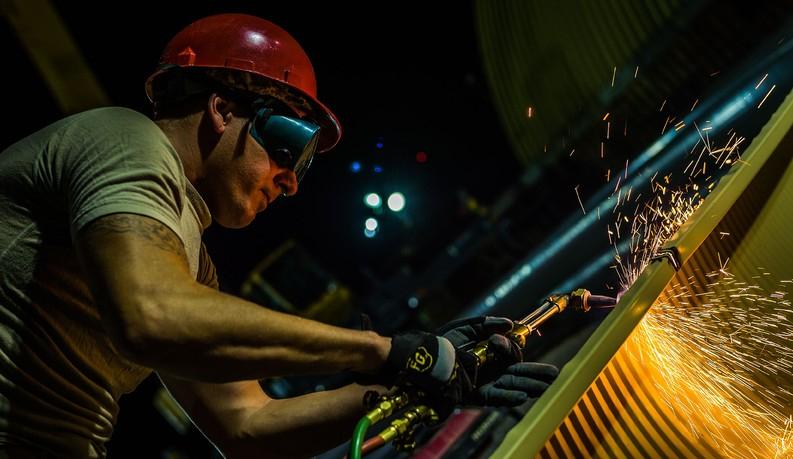
If workers are exposed to loud noises over a long period of time, the hairs or nerve cells in the inner ear become damaged, and eventually stop responding to sound. This is called noise induced hearing loss (NIHL). Hearing damage can also occur from a sudden loud noise, extended exposure to vibrations from noisy machinery or ototoxic chemicals (chemicals that damage your hearing) found in substances such as paints, thinners, and glues.
Hearing loss is irreversible
Exposure to dangerous noise levels can cause temporary or permanent hearing loss, or tinnitus (a ringing in the ears). Damaged hearing reduces a person's ability to hear high frequency sounds, and some common consonant sounds such as t, k, s, sh and p. This type of damage can't ever be repaired.
Noise induced hearing loss (NIHL)
NIHL resulting from workplace noise affects as many as 100,000 New Zealanders. Noise-related injuries are most common in the manufacturing and construction sectors, and in male-dominated industries. Around 30% of all workers in New Zealand are exposed to loud noise at work at least 25% of the time.
Hearing Protection Programme
Setting up a hearing protection programme in your workplace can help to manage noise related risks, and protect the health of your workers.

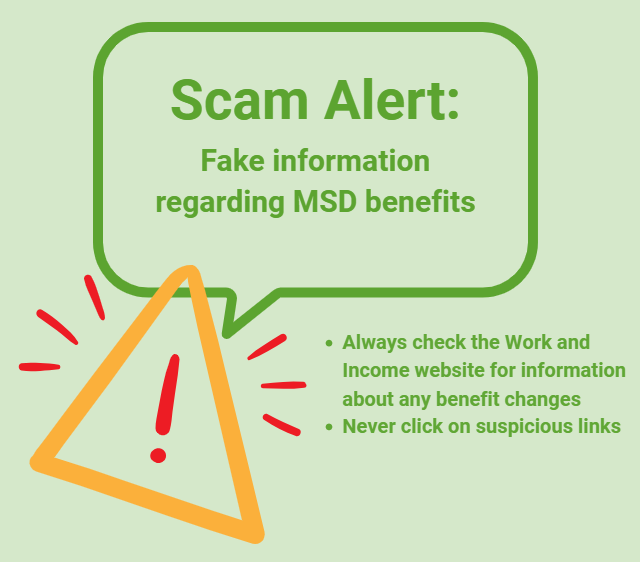
Scam Alert: Fake information regarding December Bonuses from MSD
The Ministry of Social Development is reporting that fake information is circulating about new ‘December bonuses’ or ‘benefit increases’
If you get suspicious communication, please contact Netsafe.

Neighbourhood Challenge: Who Can Crack This One? ⛓️💥❔
What has a head but no brain?
Do you think you know the answer? Simply 'Like' this post if you know the answer and the big reveal will be posted in the comments at 2pm on the day!
Want to stop seeing these in your newsfeed?
Head here and hover on the Following button on the top right of the page (and it will show Unfollow) and then click it. If it is giving you the option to Follow, then you've successfully unfollowed the Riddles page.
Poll: Are Kiwis allergic to “exuberance”? 🥝
In The Post’s opinion piece on the developments set to open across Aotearoa in 2026, John Coop suggests that, as a nation, we’re “allergic to exuberance.”
We want to know: Are we really allergic to showing our excitement?
Is it time to lean into a more optimistic view of the place we call home? As big projects take shape and new opportunities emerge, perhaps it’s worth asking whether a little more confidence (and enthusiasm!) could do us some good.

-
42.4% Yes
-
33.1% Maybe?
-
24.5% No
 Loading…