






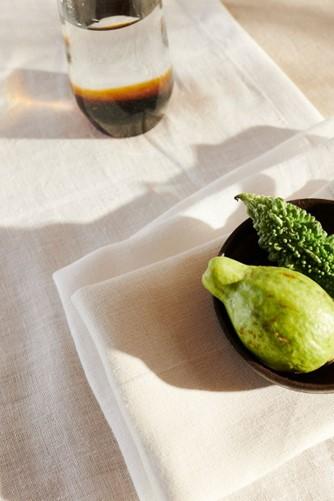
Natures Bounty | Bast is Best
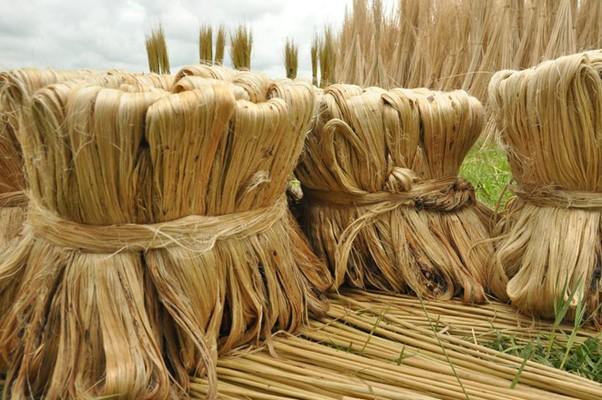
Commonly known as ‘soft’ fibres, bast fibres are the fine, flexible fibres obtained from the stems of dicotyledonous plants.
Bast fibres have been used to manufacture ropes, sacks, sails, and other industrial fabrics for hundreds of years. Commonly known as ‘soft’ fibres, bast fibres are the fine, flexible fibres obtained from the stems of dicotyledonous plants. A sustainable choice, bast fibres support regenerative agricultural practices that can help the soil sequester carbon and as a natural resource, are entirely biodegradable. In this article we will investigate four of the most utilised bast fibres: flax, hemp, ramie, and jute.
Between the epidermis (the outermost layer of cells) and the core of the plant’s stems are soft, woody fibre bundles or strands which can be over one metre long. The strands are composed of individual filaments made up of cellulose and hemicellulose cells bonded together by pectin or lignin, a cohesive gum which strengthens the stem of the plant.
During harvest the stems are cut close to the ground and the fibres are separated either through a natural decomposition process called retting (engaging moisture and bacteria to rot away the gummy cellular tissues) or by decortication (peeling the stems manually or mechanically). After retting, the fibres can be mechanically extracted through a process known as scutching.
In contrast to bast fibres, leaf fibres are obtained from the leaves of monocotyledonous plants with parallel-veined leaves, such as grasses, lilies, orchids, and palms. The long, stiff fibres of plants including abaca, cantala, Mauritius hemp, and sisal are generally used to create cordage or ropes, however, due to labour-intensive harvesting processes they are used less frequently than synthetic options.
Flax (Linen): Famously grown across northern France, Belgium, the Netherlands, and Ireland, flax is the most popular and strongest of the bast fibres. Wild flax fibres found in the Upper Palaeolithic layers of a Georgian cave indicate that humans have been crafting cords and weaving flax baskets for over 30,000 years.
Keep reading: www.curtainclean.co.nz...
Worms for Worm Farms and Compost 🪱
Ready to get a wriggle along in the garden and start composting these summer holidays?
We are suppliers of red wriggler compost worms, perfect for worm farms and compost bins. They turn food scraps into rich, healthy compost that your garden will love.
500g for $15.99 + postage (NZ only)
Message me if you’re keen to give your compost a boost — your soil will thank you! 🌱
Fun fact: A healthy worm farm can process several kilograms of food scraps every week!
So if you're constantly running out of rubbish bin space or sick of the smell of food waste in your bin, then this could be your answer.
Text on: 021 827 542 for more information.

Poll: Are our Kiwi summer holidays helping us recharge, or holding the economy back? ☀️🥝
There’s growing debate about whether New Zealand’s extended Christmas break (and the slowdown that comes with it) affects productivity.
Tracy Watkins has weighed in ... now it’s your turn. What’s your take? 🤔
-
73.1% We work hard, we deserve a break!
-
16.2% Hmm, maybe?
-
10.7% Yes!

Brain Teaser of the Day 🧠✨ Can You Solve It? 🤔💬
How many balls of string does it take to reach the moon?
(Peter from Carterton kindly provided this head-scratcher ... thanks, Peter!)
Do you think you know the answer? Simply 'Like' this post and we'll post the answer in the comments below at 2pm on the day!
Want to stop seeing these in your newsfeed? No worries! Simply head here and click once on the Following button.

 Loading…