






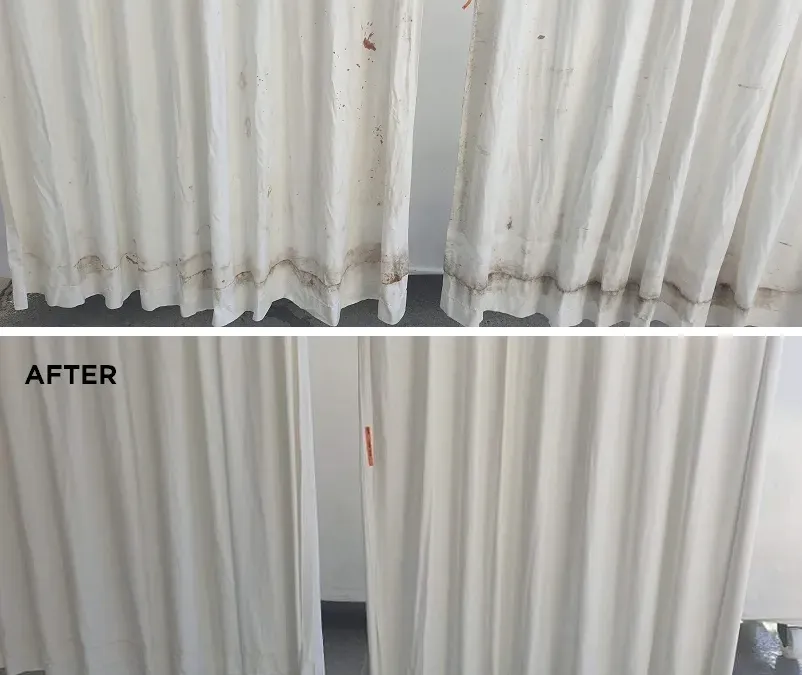
How to Prevent Mouldy Curtains and Blinds
Why does mould appear in the first place?
Mould grows in damp areas where there is a food source such as dust, dirt or organic material. That’s why single glazed or drafty windows, where condensation and dust are common, are often a problem area.
What are some tips for preventing mould growth?
Clean soft furnishings regularly according to the manufacturer’s instructions. This usually involves a regular light vacuum, with less frequent dry cleaning or laundering. Regularly clean windows and wipe down window surrounds and venetian blinds or shutters with a mild detergent in warm water.
Does the material of the curtains affect how much mould will grow?
Yes, consider selecting window coverings manufactured from man-made materials, particularly in damp areas such as the bathroom, kitchen and on south-facing windows. It’s best to use a wipe-able, water-resistant blind or shutter in wet areas like bathrooms and kitchens. Even man-made fabrics don’t cope well in those environments.
How do I remove the mould?
Once mould develops it’s best to nip it in the bud as early as possible with a thorough clean. Some curtains can be hand washed (check the manufacturer’s instructions) but, for best results, we recommend taking them to a specialist cleaner. Curtain Clean services most of the North Island and takes care of all types of curtains and blinds.
Since moisture is the culprit, how can we minimise it in our homes?
- Use lids on pots and pans when cooking.
- Never hang clothes to dry inside and vent your clothes drier to the outside.
Keep reading: www.curtainclean.co.nz...

Wellington’s weird and wonderful trivia from 2025
📰 The Post has rounded up some of Wellington’s weird and wonderful trivia from 2025 – from the most popular dog names to the books you couldn’t put down at local libraries.
✨ Our question for you: In a year that’s felt a bit taxing, what weird, wonderful, or just plain fun things have brightened your 2025?


Stand-Out Festive Decor: Build a Big DIY Nutcracker
Whip up a larger-than-life nutcracker and have it standing guard to greet guests this Christmas. This is an ideal opportunity to repurpose last year’s baubles, leftover Resene paint testpots and leftover materials from previous projects. You could use an old cardboard box for the body and cover it in fabric scraps. Find out how to make your own nutcracker with these easy step by step instructions.


Get painting and wallpapering - Sale now on at Resene ColorShops!
For a limited time only save the GST value on Resene premium paints, wood stains, wallpaper and decorating accessories at Resene ColorShops.

 Loading…