







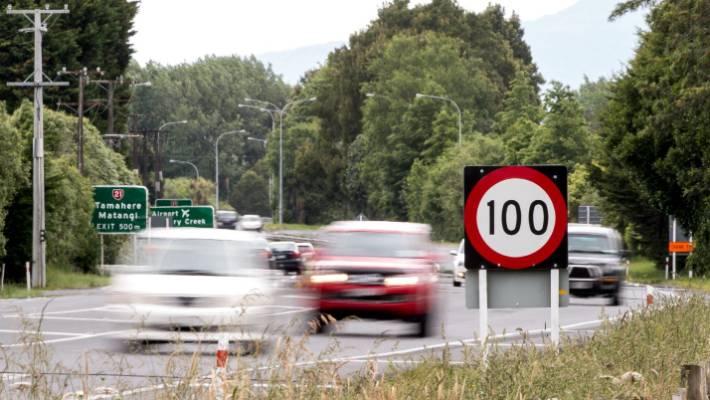
Poll: Is it time to lower the speed limit on NZ's open roads?
Long-term road safety data from NZTA suggests speed limits on almost 90 per cent of the country's roads are too high and should be lowered.
In 2019 so far, 172 people have been killed on New Zealand's roads, six more than at the same time last year.
Ministry of Transport data for 2016, the most recent available on its website, makes for sobering reading – 328 deaths from 286 fatal road crashes, or 0.9 deaths for every 10,000 vehicles.
To read more, click here
-
27.7% Yes
-
72.3% No

Brain Teaser of the Day 🧠✨ Can You Solve It? 🤔💬
How many balls of string does it take to reach the moon?
(Peter from Carterton kindly provided this head-scratcher ... thanks, Peter!)
Do you think you know the answer? Simply 'Like' this post and we'll post the answer in the comments below at 2pm on the day!
Want to stop seeing these in your newsfeed? No worries! Simply head here and click once on the Following button.


Some Choice News!
Many New Zealand gardens aren’t seeing as many monarch butterflies fluttering around their swan plants and flower beds these days — the hungry Asian paper wasp has been taking its toll.
Thanks to people like Alan Baldick, who’s made it his mission to protect the monarch, his neighbours still get to enjoy these beautiful butterflies in their own backyards.
Thinking about planting something to invite more butterflies, bees, and birds into your garden?
Thanks for your mahi, Alan! We hope this brings a smile!


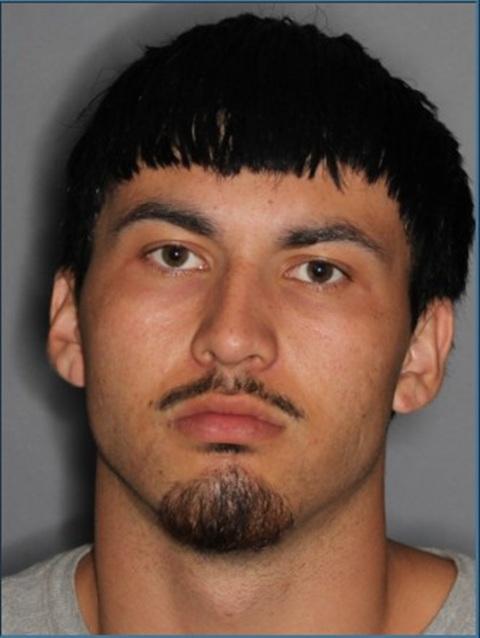
Warrant to arrest: Tehau Creeks-McNiff
Police are working to locate Tehau Ernest Creeks-McNiff, who has a warrant for his arrest and is wanted by Police.
Creeks-McNiff, 19, is wanted in relation to a number of vehicle-related offences and is known to frequent the wider Northland region.
It’s believed he is actively avoiding Police.
If you have seen him or have any information that may assist in locating him, please update us online now or call 105.
Please use the reference number 251008/0746.
Alternatively information can be provided anonymously to Crime Stoppers on 0800 555 111.
 Loading…