






STEPS AFTER THE BANK'S PRE-APPROVAL
You’ve Got Pre-Approval – What Happens Next?
First of all, congratulations on getting pre-approved by the bank!
That’s a big milestone ticked off. But you might now be wondering… what do I actually do next?
No worries — here’s a simple guide to help you through the next steps.
✅ 1. Read Your Pre-Approval Letter Carefully
It’s more than just a “yes” from the bank — it includes conditions that must be met before they give full (unconditional) approval.
📌 If you’re unsure about anything, just ask — that’s what your mortgage adviser is here for.
🏡 2. Start House Hunting – But Stay Within Budget
Look for properties that fit within your approved price range.
Found something cheaper? Great — we can adjust your loan down.
Looking at something more expensive? Please talk to us - your mortgage adviser before signing anything.
✍️ 3. Get Legal Advice Before Signing Anything
Before signing a Sale & Purchase Agreement, have your lawyer check it over.
You’ll want to include a "subject to finance" clause — the bank still needs to approve the actual property, which usually takes around 10 working days.
You might also want to add conditions for:
A LIM report
A building inspection
These help protect you if the property isn’t up to scratch.
📏 4. Valuations (Sometimes Required)
Depending on the purchase type (private sale), LVR, and the property type, the bank might ask for a Registered Valuation — at your cost.
🏦 Good news: we always try to get this waived for our clients where possible, but it’s up to the bank’s discretion.
✅ 5. Get Unconditional Approval
Once the bank confirms they’re happy with the property, you’ll receive unconditional approval.
Let your solicitor and the real estate agent know so you can move ahead to settlement.
💼 6. Complete Onboarding (If You’re New to the Bank)
New to the bank? You’ll need to complete some onboarding forms and ID checks before loan documents are prepared.
🔐 7. Settlement and Insurance
Settlement usually takes place:
About 3 weeks after going unconditional, or
About 5 weeks after signing the S&P agreement
🛡️ If the property isn’t a unit/apartment (i.e. not strata title), you’ll need to arrange home insurance that lists the bank as the Interested Party/Mortgagee.
This is the whole process from the beginning to settlement:
Complete app form -> Provide supporting docs -> Submit to the bank for assessment -> Pre-approval -> Search for a property within approval limit -> Seek legal advice -> Sign Sale & Purchase (S&P) agreement subject to finance -> Valuation/building report may be required -> Obtain an unconditional approval -> Complete onboarding with the bank (if new to the bank) -> Sign loan contract with your solicitor -> Prepare home insurance noting the bank as an Interested Party -> Settlement -> Move in.
I HOPE THIS GUIDE HAS HELPED YOU A BIT. ANY QUESTIONS, PLEASE COMMENT BELOW.


Create a Stunning Stain Feature Wall with Resene Colorwood
Transform your living room into a work of art with Resene Colorwood wood stains. Find out how to create your own stain feature wall with these easy step by step instructions.

Suspicious Guy
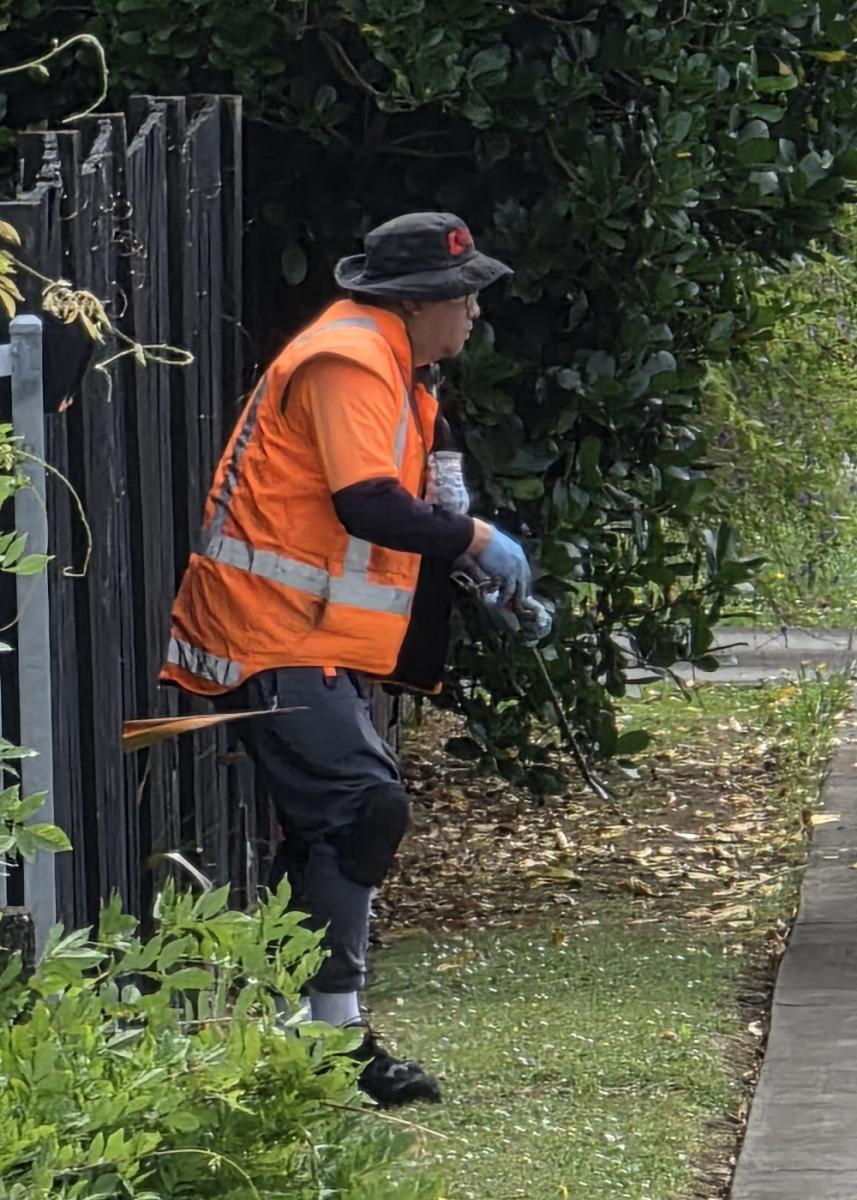
Keep an eye on this guy, pretended to read the water meter, then wandered up the drive crowbar in hand when I asked what he wanted he said power and is there a dog.We have smart meters. He opened my neighbours gate (we are 3 units) and went in the back of her place with his crowbar. My son went round there and he took off. Police informed.


Poll: Is it ok to regift something that you have been given?
🎁 Holiday Gift Chat!
Do you ever regift?
What’s your take on asking for a receipt if a gift doesn’t fit?

-
79.7% Yes! It's better to regift what I don't need
-
20.3% No. It's the thought and effort that matters
 Loading…