Mount Albert, Auckland

Got some bits to give away?

Got some bits to give away?

Clear out that garage and pop it on Neighbourly Market for free.

137 days ago

15 Years of GrabOne... Here’s $15 Just for You!

GrabOne

For 15 years, GrabOne has helped Kiwis save on everything from local experiences to relaxing getaways around New Zealand and beyond. With over 500,000 customers since 2010, we’re proud to have brought families, friends, and communities closer through fun things to do and places to explore.

To … View more
For 15 years, GrabOne has helped Kiwis save on everything from local experiences to relaxing getaways around New Zealand and beyond. With over 500,000 customers since 2010, we’re proud to have brought families, friends, and communities closer through fun things to do and places to explore.

To celebrate this milestone, we’re giving Neighbourly readers $15 off their next purchase on the GrabOne website. Minimum spend $75.

Discover limited daily deals, flash sales with unbeatable prices, and activities in your own backyard. Plus, keep an eye out for 15 special giveaways happening across our social pages this month.

Thanks for supporting GrabOne over the years. Here’s to even more great experiences to come!
Valid till 31st August 2025 use code NEIGHBOURLY at checkout.
Find out more

Image
137 days ago

Garland lights

Baptist from Avondale

10 battery powered decorative light up garland. great for parties and celebrations. no plug point needed.
185 cm aprox.
Imported into UK with high standards

Price: $14

138 days ago

Alligator chopper

Baptist from Avondale

Fast-chops in seconds in one simple action Safe-no risk of cutting your finger during normal use Hygienic-dishwasher-safe and easy to clean The Alligator design-robust and ingenious The Alligator is designed with a lattice of 28 intersecting, extremely sharp stainless steel blades. Mounted in… View moreFast-chops in seconds in one simple action Safe-no risk of cutting your finger during normal use Hygienic-dishwasher-safe and easy to clean The Alligator design-robust and ingenious The Alligator is designed with a lattice of 28 intersecting, extremely sharp stainless steel blades. Mounted in a frame that forms the integral upper half of the cutter, the sharp edges move downwards in one simple pressing action. The blades never come into contact with the base plate or your fingers so the blades remain both sharp and safe to use.

Price: $25

138 days ago

Blank CDs and DVDs

Baptist from Avondale

16 CDs, 11 DVDs, blank writable

Price: $8

145 days ago

Poll: As an island nation, are we doing enough to protect our oceans?

The Team from Neighbourly.co.nz

The island nation of New Zealand claims guardianship over a vast ocean territory. In fact, our Exclusive Economic Zone (EEZ) spans 15 times our land area. Despite this, less than 1% of our ocean is highly protected.

Sheridan Waitai, member of One Oceania, argues that New Zealand is failing its … View more
The island nation of New Zealand claims guardianship over a vast ocean territory. In fact, our Exclusive Economic Zone (EEZ) spans 15 times our land area. Despite this, less than 1% of our ocean is highly protected.

Sheridan Waitai, member of One Oceania, argues that New Zealand is failing its obligations, and our failure is being noticed internationally.

Sheridan and others argue that the health of our oceans is declining as they face climate change, overfishing, and pollution. While other nations are championing ocean protection, New Zealand has been quiet on this topic.

We want to know: Are we meeting our responsibilities in the management of our blue territory?

Image
As an island nation, are we doing enough to protect our oceans?
  • 66.5% No - we can do more.
    66.5% Complete
  • 5% Yes - we are meeting our obligations.
    5% Complete
  • 25.6% It is a global problem, not just ours.
    25.6% Complete
  • 2.6% Maybe. I dont really have an opinion.
    2.6% Complete
  • 0.2% Other - share below!
    0.2% Complete
1254 votes
138 days ago

Demand for assisted dying is on the rise – should we be worried?

Brian from Mount Roskill

The statistics: The latest annual report by the Assisted Dying Registrar, published last week, showed the number of active applications for assisted dying rose by 20% in the past year. That statistic alarmed advocacy group Voice for Life, which noted the increase was occurring at a time when the … View moreThe statistics: The latest annual report by the Assisted Dying Registrar, published last week, showed the number of active applications for assisted dying rose by 20% in the past year. That statistic alarmed advocacy group Voice for Life, which noted the increase was occurring at a time when the workforce involved in the Assisted Dying Service was shrinking.
The analysis: New Zealand’s assisted dying regime is still relatively young and cases were always predicted to rise gradually each year before stabilising, meaning year-on-year increases are to be expected at this stage. Assisted deaths made up 1.25% of all deaths in NZ over the same period, which is in line with Ministry of Health predictions. In countries where assisted dying is more established, assisted deaths typically make up around 2% of all deaths.
====================================================
138 days ago

Bright Spots is back - and it's better!

Resene

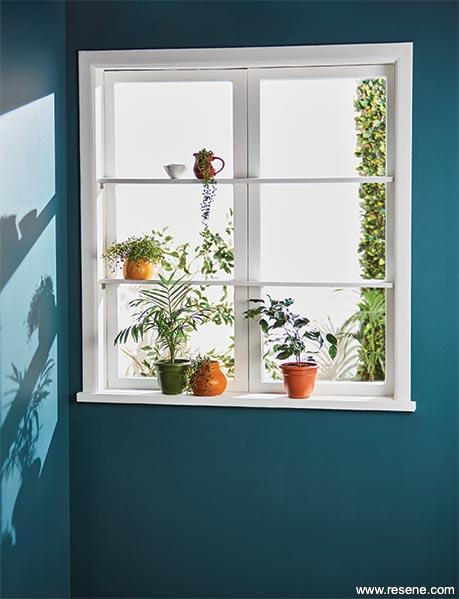
We're looking for your most colourful photos! Resene ColorShops and Neighbourly have teamed up again this winter to bring you Bright Spots, a celebration of the colourful spaces and places in your life.

But this year it's a little different!

This year we're calling on … View more
We're looking for your most colourful photos! Resene ColorShops and Neighbourly have teamed up again this winter to bring you Bright Spots, a celebration of the colourful spaces and places in your life.

But this year it's a little different!

This year we're calling on Neighbourly members to share photos wherever there's a bright spot that brings you joy - whether it's in the office, at your home or when you're out and about in your neighbourhood. If it brings a smile to your face we'd love to see it.

Share a photo that brings a little colour to your day and you could win one of ten prize packages valued at $500 (including a $250 Prezzy® card and a $250 Resene gift card).
Share a pic now

Image
139 days ago

Ancestor Intelligence: Using AI for Family History with Fiona Brooker

Seonaid from Mount Albert

Auckland Family History Expo

Join us on Friday 8 August to Sunday 10 August 2025 at the Fickling Convention Centre , 546 Mt Albert Rd, Three Kings, Auckland

PRE-EXPO AI WORKSHOP
• Friday 8 August 1pm-4pm: Pre-Expo AI Workshop $40 per person - Ancestors Intelligence - Using AI for Family … View more
Auckland Family History Expo

Join us on Friday 8 August to Sunday 10 August 2025 at the Fickling Convention Centre , 546 Mt Albert Rd, Three Kings, Auckland

PRE-EXPO AI WORKSHOP
• Friday 8 August 1pm-4pm: Pre-Expo AI Workshop $40 per person - Ancestors Intelligence - Using AI for Family History with Fiona Brooker
Discover how artificial intelligence can support your family history research. In this hands-on session with genealogist Fiona Brooker, learn how to use AI tools to analyse documents, organise your research, and turn your findings into compelling family stories. Bring your laptop along.

BOOK NOW. Limited spaces
www.eventfinda.co.nz...

Image
151 days ago

Choice News Tuesday: Kākāpō will be getting busy in 2026!

Kia pai from Sharing the Good Stuff

The kākāpō, our famously lovable but critically endangered land-parrot, are forecast to have a massive breeding season in 2026 - perhaps the biggest on record!

How do we know? Kākāpō only 'get busy' during rimu mast events (where rimu grow heaps of fruit), every 2-4 years. … View more
The kākāpō, our famously lovable but critically endangered land-parrot, are forecast to have a massive breeding season in 2026 - perhaps the biggest on record!

How do we know? Kākāpō only 'get busy' during rimu mast events (where rimu grow heaps of fruit), every 2-4 years. Because we can anticipate rimu mast events, and kākāpō love rimu fruit, we can predict kākāpō breeding activity.

Since there are only 242 kākāpō today, this bumper season is important.

This positive outlook on population numbers is especially exciting since, due to the mahi of conservationists, the kākāpō have completed their first season on the North island (at Sanctuary Mountain Maungatautari). The booming of the kākāpō has not been heard on the North Island of Aotearoa for over a century!

Read more about Aotearoa's flightless parrot and their nesting plans.

We hope this news brings a smile!

Image
140 days ago

From tea towels to TV remotes: Everyday bacterial hotspots – and how to clean them

Brian from Mount Roskill

Bacteria are lurking on your sponge, your pet’s toys and your tea towels. Here’s what the research says - and how to protect yourself.
From your phone to your sponge, your toothbrush to your trolley handle, invisible armies of bacteria are lurking on the everyday objects you touch the most. … View more
Bacteria are lurking on your sponge, your pet’s toys and your tea towels. Here’s what the research says - and how to protect yourself.
From your phone to your sponge, your toothbrush to your trolley handle, invisible armies of bacteria are lurking on the everyday objects you touch the most. Most of these microbes are harmless – some even helpful – but under the right conditions, a few can make you seriously ill.
But here’s the catch: some of the dirtiest items in your life are the ones you might least expect.
Here are some of the hidden bacteria magnets in your daily routine, and how simple hygiene tweaks can protect you from infection.
Shopping trolley handles
====================
Shopping trolleys are handled by dozens of people each day, yet they’re rarely sanitised. That makes the handles a prime spot for germs, particularly the kind that spread illness.
One study in the US found that more than 70 percent of shopping carts were contaminated with coliform bacteria, a group that includes strains like E. coli, often linked to faecal contamination. Another study found Klebsiella pneumoniae, Citrobacter freundii and Pseudomonas species on trolleys.
Protect yourself: Always sanitise trolley handles before use, especially since you’ll probably be handling food, your phone or touching your face.
Kitchen sponges
==============
That sponge by your sink? It could be one of the dirtiest items in your home. Sponges are porous, damp and often come into contact with food: ideal conditions for bacteria to thrive.
After just two weeks, a sponge can harbour millions of bacteria, including coliforms linked to faecal contamination, according to the NSF Household Germ Study and research on faecal coliforms.
Protect yourself: Disinfect your sponge weekly by microwaving it, soaking it in vinegar, or running it through the dishwasher. Replace it if it smells – even after cleaning. Use different sponges for different tasks (for example, one for dishes, another for cleaning up after raw meat).
Chopping boards
==============
Chopping boards can trap bacteria in grooves left by knife cuts. Salmonella and E. coli can survive for hours on dry surfaces and pose a risk if boards aren’t cleaned properly.
Protect yourself: Use separate boards for raw meat and vegetables. Wash thoroughly with hot, soapy water, rinse well and dry completely. Replace boards that develop deep grooves.
Tea towels
=========
Reusable kitchen towels quickly become germ magnets. You use them to dry hands, wipe surfaces and clean up spills – often without washing them often enough.
Research shows that E. coli and salmonella can live on cloth towels for hours.
Protect yourself: Use paper towels when possible, or separate cloth towels for different jobs. Wash towels regularly in hot water with bleach or disinfectant.
Mobile phones
=============
Phones go everywhere with us – including bathrooms – and we touch them constantly. Their warmth and frequent handling make them ideal for bacterial contamination.
Research shows phones can carry harmful bacteria, including Staphylococcus aureus.
Protect yourself: Avoid using your phone in bathrooms and wash your hands often. Clean it with a slightly damp microfibre cloth and mild soap. Avoid harsh chemicals or direct sprays.
Toothbrushes near toilets
=====================
Flushing a toilet releases a plume of microscopic droplets, which can land on nearby toothbrushes. A study found that toothbrushes stored in bathrooms can harbour E. coli, Staphylococcus aureus and other microbes.
Protect yourself: Store your toothbrush as far from the toilet as possible. Rinse it after each use, let it air-dry upright and replace it every three months – or sooner if worn.
Bathmats
========
Cloth bathmats absorb water after every shower, creating a warm, damp environment where bacteria and fungi can thrive.
Protect yourself: Hang your bathmat to dry after each use and wash it weekly in hot water. For a more hygienic option, consider switching to a wooden mat or a bath stone: a mat made from diatomaceous earth, which dries quickly and reduces microbial growth by eliminating lingering moisture.
Pet towels and toys
================
A bird's eye view of a dog playing with several toys.
Pet towels and toys stay damp and come into contact with saliva, fur, urine and outdoor bacteria. According to the US national public health agency, the Centers for Disease Control and Prevention, pet toys can harbour E. coli, Staphylococcus aureus and Pseudomonas aeruginosa.
Protect your pet (and yourself): Wash pet towels weekly with hot water and pet-safe detergent. Let toys air dry or use a dryer. Replace worn or damaged toys regularly.
Shared nail and beauty tools
=======================
Nail clippers, cuticle pushers and other grooming tools can spread harmful bacteria if they’re not properly cleaned. Contaminants may include Staphylococcus aureus – including MRSA, a strain resistant to antibiotics – Pseudomonas aeruginosa, the bacteria behind green nail syndrome, and Mycobacterium fortuitum, linked to skin infections from pedicures and footbaths.
Protect yourself: Bring your own tools to salons or ask how theirs are sterilised. Reputable salons will gladly explain their hygiene practices.
Airport security trays
=================
Airport security check. Young man holding passport and waiting for x-ray control his luggage.
After being screened by security, wash your hands or use sanitiser.123RF
Airport trays are handled by hundreds of people daily – and rarely cleaned. Research has found high levels of bacteria, including E. coli.
Protect yourself: After security, wash your hands or use sanitiser, especially before eating or touching your face.
Hotel TV remotes
===============
Studies show hotel remote controls can be dirtier than toilet seats. They’re touched by many hands and rarely sanitised.
Common bacteria include E. coli, enterococcus and Staphylococcus aureus, including MRSA, according to research.
Protect yourself: Wipe the remote with antibacterial wipes when you arrive. Some travellers even put it in a plastic bag. Always wash your hands after using shared items.
Bacteria are everywhere, including on the items you use every day. You can’t avoid all germs, and most won’t make you sick. But with a few good habits, such as regular hand washing, cleaning and smart storage, you can help protect yourself and others.
It’s all in your hands.
===================================================

141 days ago

Village pooch Maggie provides pet therapy for fellow residents

Murray Halberg Retirement Village

Moving into William Sanders Village provided Graham and Karrin Byrnes with the perfect chance to give back to a community that was right on their doorstep, with beloved pet Maggie being the key to their success.

The couple heard about the St John therapy pets programme not long after moving into… View more
Moving into William Sanders Village provided Graham and Karrin Byrnes with the perfect chance to give back to a community that was right on their doorstep, with beloved pet Maggie being the key to their success.

The couple heard about the St John therapy pets programme not long after moving into Ryman Healthcare’s Devonport village in 2021, and now take Maggie to visit residents in the village care centre three times a week.

Click read more to read about Maggie's pawsome work.

Image
141 days ago

Auckland Central Police Base formally opened

Brian from Mount Roskill

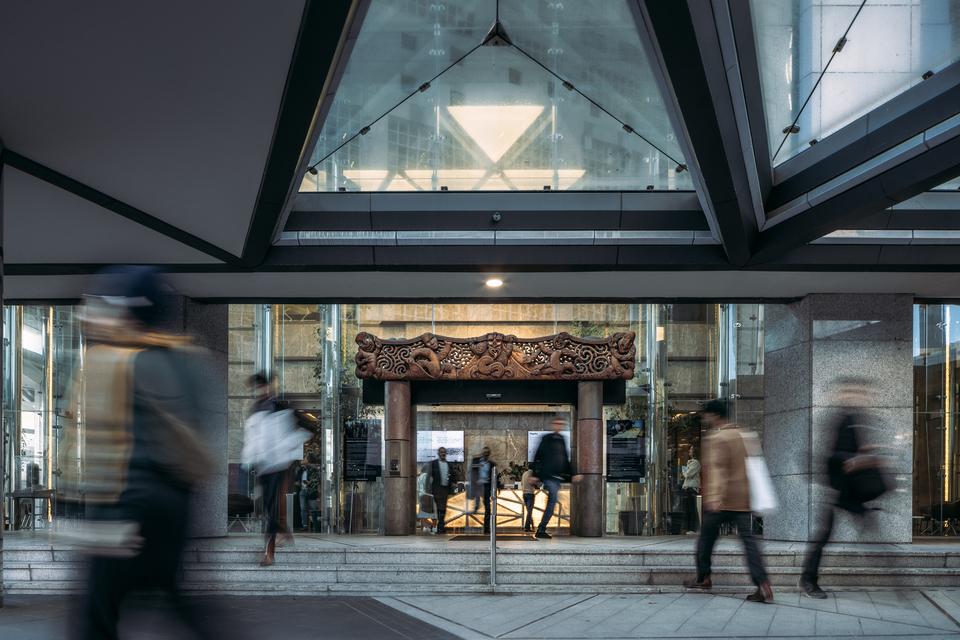
The Police front door is now open a lot closer to central Auckland residents and visitors.
Today, the public counter at the Auckland Central Police Base on Federal Street was officially opened by acting Deputy Commissioner Jill Rogers and Minister of Police Mark Mitchell.
It’s the first stage … View more
The Police front door is now open a lot closer to central Auckland residents and visitors.
Today, the public counter at the Auckland Central Police Base on Federal Street was officially opened by acting Deputy Commissioner Jill Rogers and Minister of Police Mark Mitchell.
It’s the first stage of an expanded presence at 210 Federal Street after it was announced late last year that Police will take on full occupancy.
“It’s fantastic to be able to open our doors with a public facing presence back in the heart of central Auckland once again,” acting Deputy Commissioner: Northern Region, Jill Rogers says.
“We know that the public feel safer when they see our staff and our buildings.
“This has been something the community have been keen to see happen, and Police have been working hard at increasing our presence in recent years.”
The public counter opened for service at the beginning of the week and replaces the previous counters at College Hill.
Acting Deputy Commissioner Rogers says Police will be able to deploy with ease across busy areas of the CBD.
This includes Te Waihorotiu Station, which is expected to be the country’s busiest train station when it opens.”
“We have seen the benefits since our Beat team moved to the site more than two years ago,” acting Deputy Commissioner Rogers says.
“For example, foot patrols are up 91 per cent in the city from July 2024 to April 2025, on the previous period.
“It’s clear to us that an expanded Police presence will make our overall 24/7 response in the city more effective.”
Construction is ongoing at the site with fit out work being completed on other floors in the building.
Auckland City District Headquarters will remain based at its current location on College Hill.
NOTES AND NUMBERS
===================
• Police have occupied two floors of 210 Federal Street since 2020
• Police took over full occupancy in July 2025
• The Beat Team has done 4,770 hours of foot patrolling (July 2024 – April 2025)
• More than 50 staff form part of the Beat Team
Police in Auckland’s CBD
====================
• 2 September 2019 – Frontline and front counter staff move to the Auckland City Hub, on College Hill.
• November 2022 – Auckland Central Beat team moves into a re-purposed floor at 210 Federal Street
• 25 November 2024 – Police announce agreement to take full occupancy of 210 Federal Street
• 14 July 2025 – the new front counter at Auckland City Police Base opens for service.
===================================================

141 days ago

Auckland Plein Air Group Paints Alberton

Rendell McIntosh from Alberton

A unique exhibition will be held in Alberton 10-31 Aug 2025. Members of the Auckland Plein Air Group will be displaying artworks of the interior and exterior of the historic house. This will be the first time that such a theme has featured a heritage house in New Zealand. Work shown painted by … View moreA unique exhibition will be held in Alberton 10-31 Aug 2025. Members of the Auckland Plein Air Group will be displaying artworks of the interior and exterior of the historic house. This will be the first time that such a theme has featured a heritage house in New Zealand. Work shown painted by Graham Downs. Opening hours: Wed-Sun 1030am-4pm.

Image
144 days ago

Choice News Tuesday: New Zealander named first Commonwealth Poet Laureate

Kia pai from Sharing the Good Stuff

Good news for fans of creative expression and kiwi excellence ... poet Selina Tusitala Marsh has been announced as the inaugural Commonwealth Poet Laureate!

Marsh says, "When we honour the artistry within our communities, whether it flows from Sāmoa, my mother's island, or New … View more
Good news for fans of creative expression and kiwi excellence ... poet Selina Tusitala Marsh has been announced as the inaugural Commonwealth Poet Laureate!

Marsh says, "When we honour the artistry within our communities, whether it flows from Sāmoa, my mother's island, or New Zealand, where I was born and grew up, we recognise the inherent dignity and worth of every person whose story deserves to be told."

Congratulations Selina, ka pai.

We hope this news brings a smile!

Image
141 days ago

Do people earning $200,000 need help with childcare?

Brian from Mount Roskill

Government “choices” mean some of the families now receiving Family Boost payments for their early childhood education are among the 10% wealthiest in the country, an economist says.
A revamp to the Family Boost programme means those with household incomes up to $229,100 a year are now … View more
Government “choices” mean some of the families now receiving Family Boost payments for their early childhood education are among the 10% wealthiest in the country, an economist says.
A revamp to the Family Boost programme means those with household incomes up to $229,100 a year are now eligible for support with their childcare fees.
The available rebate is also increasing to 40% of fees paid, or a maximum of $1560 a quarter.
The change applies to fees paid in the September quarter, and from then on.
But Craig Renney, policy director of the Council of Trade Unions and an economist who was previously a senior economic adviser to then-Finance Minister Grant Robertson, said there were “choices” being made.
He said those on the highest incomes, in the top 10% according to the Stats NZ Household Expenditure Survey, were benefiting the most from the change.
“If your household earns $60,000 a year, you can get up to an extra $2340 annually in new support. If your household earns three times that, $180,000 – you will get an extra $3440 annually. That’s 47% more. For exactly the same thing – having children in early childhood education.”
The difference was because the higher earners were previously not eligible at all.
Renney said data also showed higher-earning households tended to spend more on early childhood education anyway, which meant they would have larger fees to claim rebates on.
Most were already spending the money without the Government’s assistance, he said.
It could have been better used to help make early childhood education more affordable or accessible to low or middle-income earners, he said.
“Instead of having a 40% cap across the piece that could be claimed, you could have said for very-low-income households we’ll make it 50, 60 or 100%.
“Because this is a rebate scheme, those on low incomes don’t have the money to be able to afford it in the first place to then get the rebate.
“I’m not saying these families don’t need the money but I’m saying if you were making choices about where to spend, for a Government that’s focused on value for money – you may get better outcomes for your dollar if you were actually spending it on expanding ECE provision in low-income communities.”
Asked whether the adjustment would affect the number of families who could receive the full $250-a-fortnight relief that National campaigned on before the last election, as a combination of the Family Boost package and tax cuts, Finance Minister Nicola Willis said that data was not available.
“The National Party campaigned on a tax relief plan that included multiple elements – shifting tax brackets to compensate for inflation, expanding tax credits to reach more modest income earners, increasing Working for Families tax credits and introducing the FamilyBoost childcare tax credit.
“We delivered on these policies in our first Budget. We made clear that the impact of these policies would vary according to family circumstances and encouraged people to use our tax calculator so they could find out what it would mean for them.”
She said the $250 example was a family with a household income of $120,000 split across two earners spending at least $300 a week on childcare.
“We did not model how many families would match that scenario.
“Inland Revenue is not geared up to calculate how many people would have matched that scenario in the past 12 months or will match it in the coming years. This is because some elements of the tax plan are calculated on an individual basis while others, including FamilyBoost, are calculated according to household income. Inland Revenue does not routinely collect information on household incomes.”
She said about 60,000 families had received the full FamilyBoost payment they were entitled to.
With the scheme expansion, she said, about 16,000 more families would probably benefit.
“The amount of rebate they receive will vary according to the fees they pay and the income they earn each quarter. The maximum a family can now receive from FamilyBoost is $240, an increase on the $150 that National campaigned on.
“To receive that amount, a family would have to be spending at least $300 a week on childcare and have a combined family income of less than $140,000 a year. Inland Revenue does not calculate how many families find themselves in that circumstance.”
===================================================

Top