Know what’s happening
Access the private noticeboard for verified neighbours near you. Keep informed about any suspicious activity, send urgent updates to your neighbours when required and discuss emergency planning.
Get to know your neighbours
Browse the directory and start getting to know your neighbours. Don’t want to post to the whole neighbourhood? Send a private message.
Buy, sell and give away
Want to declutter your garage? Buy some used household items? Give away some garden stuff? Become a verified neighbour to browse and post items for sale. Trading is simple when everyone lives nearby.
Happy new year, neighbours!
From us at Neighbourly, we're wishing you the best for 2026!
Thank you for using Neighbourly
You may receive an email confirmation for any offer you selected. The associated companies will contact you directly to activate your requests.
Brian from New Lynn
The Dockline Tram is due to halt its service from next Monday, August 6, as the area gears up for a busy period of construction work. A statement released today said the "beloved Dockline" historic tram, which opened for service in 2011, had operated a reduced out-and-back service since … View moreThe Dockline Tram is due to halt its service from next Monday, August 6, as the area gears up for a busy period of construction work. A statement released today said the "beloved Dockline" historic tram, which opened for service in 2011, had operated a reduced out-and-back service since late 2015 due to ongoing development within the Quarter area. However, the service has not been as hugely popular with members of the public since the Rugby World Cup, in 2011, when fans from around the world took in the sights of Auckland's waterfront from a different perspective. The tram's original loop was a 1.5km trip. "Ongoing roadworks and construction in the Quarter mean it is not cost-effective to run a tram service during this time. "It is unknown how long the tram will be out of operation. We are having ongoing discussions with our development partners to assess future options.''
In recent months there have been calls for the service to return to its original route and there was an indication that this would not happen until late next year. A petition posted on the Change.org website - Keep the Auckland Dockline Tram Running - had brought in 450 signatures. The suspension coincides with the service's seventh birthday; being celebrated this weekend.
===========================================================
Members of the public are invited to enjoy the last few rides - for now, at least - on the tram on Saturday and Sunday; with services running from the morning into the afternoon.
===========================================================
Tori Tokalau Reporter from Western Leader
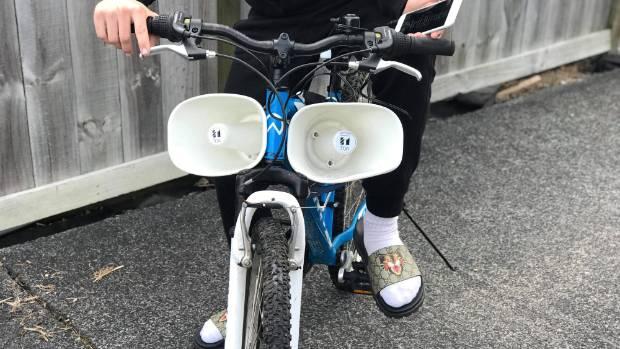
West Aucklanders are supporting the 'trouble makers' plea for a public space for their siren battles.
*Type NFP if you don't want your comments included in our stories.
25 replies (Members only)
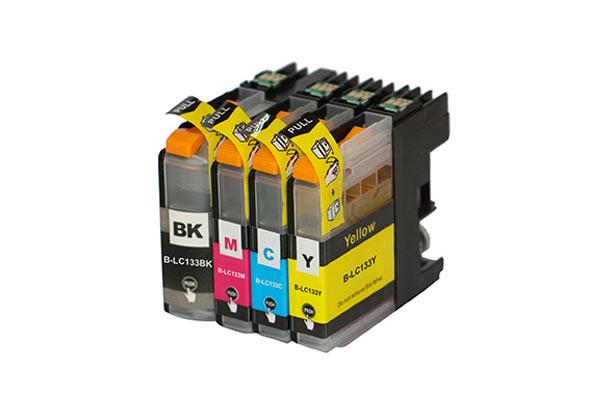
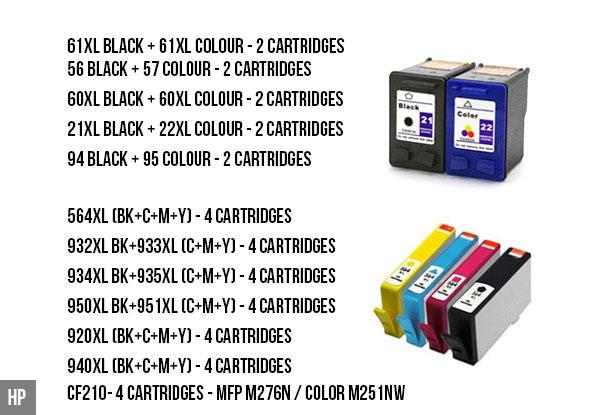
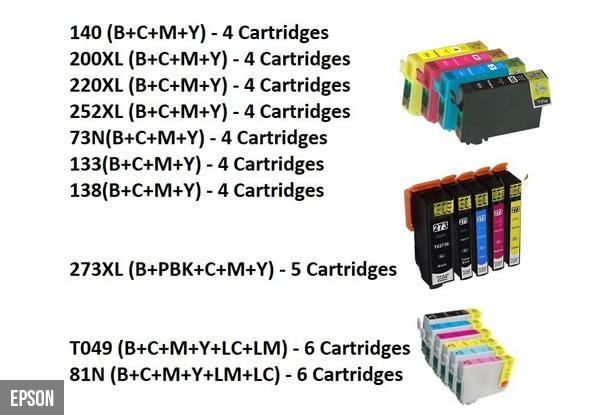
From $27 Set of Cartridges Compatible with HP, Brother, Epson & Canon Printers - Free Delivery (Deal ends 12/08/2017)
Choose from 33 Options:
$27 for Brother - LC133/LC37/LC38 full pack inks
$27 for Epson - 200XL/220xl/252xl Four pack inks
$27 for Canon - PG520+CL521/ PGI525 + CL526 five … View moreFrom $27 Set of Cartridges Compatible with HP, Brother, Epson & Canon Printers - Free Delivery (Deal ends 12/08/2017)
Choose from 33 Options:
$27 for Brother - LC133/LC37/LC38 full pack inks
$27 for Epson - 200XL/220xl/252xl Four pack inks
$27 for Canon - PG520+CL521/ PGI525 + CL526 five pack inks
$39 for Brother LC237/LC239 Full pack inks
$39 for HP 60XL/564XL/940 Full Pack inks.
$59 for a set of Canon 2600XL / 1600xL Four Pack inks
Brian from New Lynn
Justice Minister Andrew Little has launched a public information campaign to raise awareness about the problem of money laundering by domestic and foreign criminals here in in New Zealand. The Keep Our Money Clean campaign is about keeping our international corruption-free reputation and making … View moreJustice Minister Andrew Little has launched a public information campaign to raise awareness about the problem of money laundering by domestic and foreign criminals here in in New Zealand. The Keep Our Money Clean campaign is about keeping our international corruption-free reputation and making sure Kiwi businesses are informed and prepared.The campaign starts on July 24, 2018 and uses print and digital advertising. It will run in four phases as new business sectors come under the Anti-Money Laundering and Countering the Financing of Terrorism Act.
Keeping Corruption away
=====================
New Zealanders are rightly proud that our country is free from corruption. To keep it that way, we need all Kiwi businesses to be vigilant so criminals with dirty money will not do us any harm. Money launderers undermine our country’s financial and justice systems and leave us vulnerable to trans-national crime. If the world loses confidence in us, our ability to protect our financial channels, our hard-won international financial and trade reputation will be at risk.
Keep Our Money Clean
===================
The Government has prepared ‘Keep our Money Clean’ information packs for law practices, accounting business agents and real estate agents so that customers can understand the anti-money laundering requirements those businesses are required to uphold. Some customers will be asked for extra information, such as identification, when they’re conducting business. That is how we will keep our country safe together.
About AMLC & CFTA
==================
The Anti-Money Laundering and Countering the Financing of Terrorism Act (2009) (AML/CFT) affects lawyers from July 2018, accountants from October 1, 2018, Real Estate Agents from January 1, 2019 and High Value Goods Dealers and the New Zealand Racing Board from August 1, 2019.
About Money Laundering
=====================
To put it simply, money laundering is a crime.
It is process criminals use to ‘clean’ the money they make from crimes such as fraud, dealing in illegal drugs and trafficking. By making the money look like it comes from a legitimate source, they can cover their tracks and avoid detection. Criminal organisations and people who finance terrorism target businesses and countries they believe have weak systems and controls that they can exploit.
The Problem
===========
Money laundering is happening every day across the country. It’s estimated that over $1 billion a year comes from drug dealing and fraud and can be laundered through New Zealand businesses. However, the true cost and impact is many times that figure when you factor in all the crimes that generate ‘dirty’ money and the suffering they cause. People who finance terrorism also use these methods to send money to violent causes and to disguise who is providing and receiving the money. While the likelihood of terrorism financing is low, the potential consequences are significant.
Protecting New Zealand
====================
Making it harder for criminals to launder money provides a significant disincentive to carrying out the criminal activity in the first place. New Zealand has had Anti-Money Laundering and Countering Financing Terrorism laws operating since 2013. These laws applied to banks, casinos, financial institutions and some trust and company service providers.
We’re now extending these laws to include:
===================================
Lawyers, conveyancers, and trust and company service providers (from July 1, 2018)
Accountants and providers of accounting services (from October 1, 2018)
Real estate agents (from 1 January 2019)
Dealers in high value goods and the New Zealand Racing Board (from August 1, 2019)
===========================================================
Brian from New Lynn
Tourists think they are getting a bargain by booking New Zealand tours on Chinese apps, but end up being asked to pay for free attractions such as parks, beaches and nature reserves. The Ministry of Business, Innovation and Employment (MBIE) is now advising travellers to do their research before … View moreTourists think they are getting a bargain by booking New Zealand tours on Chinese apps, but end up being asked to pay for free attractions such as parks, beaches and nature reserves. The Ministry of Business, Innovation and Employment (MBIE) is now advising travellers to do their research before booking tours to New Zealand, and a group of legitimate Auckland-based Chinese tour operators are planning to make a police report. International student Jenny Xu said her aunt, who booked a $45 full-day tour through a China-based app, ended up paying more than $160. The aunt was asked by her tour guide to pay "admission fees" of $10 for places like Cornwall Park, Western Springs and Mission Bay and $25 for the Muriwai gannet colony. "She was told that if she didn't pay the fee, then she would not be allowed to get off the bus. "I found out about it only a few days after the tour and told my aunt those venues are free for everyone, but by then it's too late and we couldn't contact the tour guide."
Another Chinese national, who booked a "personalised pick-up" for $20 from Auckland Airport through a local Chinese online site was taken for a ride that included several stops at souvenir and health shops."The driver was very pushy, and insisted that I buy things from these shops because it was the best priced in Auckland. "Later I found out what he said was not true." University of Auckland researcher Jennifer Hand said she had seen some tourists handing money to their tour guide as they got off a bus at a North Shore beach. "I observed a small bus or people-mover at Takapuna Beach and people paying as they left the vehicle. "The women took off their high heels and walked on the beach, I assume they were paying for the privilege of feeling the sand." Rebecca Heerdegen, MBIE's acting manager tourism policy, is asking Chinese visitors to book accredited tour operators who are listed on the Tourism New Zealand website. "While we haven't had any complaints about tours not meeting xpectations, we would always recommend that Chinese visitors choose tour operators or guides that have official approved destination status accreditation."We'd advise all travellers to do their research before booking tours or other experiences."Looking at the rating sites and feedback from other customers can be a good way of doing this."
Heerdegen said visitors could also report any operators who did not comply with Tourism New Zealand's code of conduct. Tat Tsui, spokesman for the group of Chinese tourism operators, said unlicensed operators see tourists from China as easy targets.The group of about 20 is in the process of forming an association."Another big concern we have also is that what they are doing is illegal."These operators have no registered business, whose vehicles have no certificate of fitness, hold no licence and are answerable to no one."Tsui said "cross-selling" was a common tactic that many of these operators use."They tempt tourists with a bargain initial charge, but then try to sell other products from souvenirs to honey and health products, and sometimes even charging them for things they are not supposed to."New Zealand is a free country, they can do anything they like to attract customers, but surely they cannot be allowed to do it illegally and without licence."He believes most of the unlicensed operators are international students from China, and most of the advertisements by unlicensed operators are listed on China-based apps such as huangbaoche.com. Tsui said his group had serious concerns about passenger safety and planned to make a police complaint after they are formally formed and registered.
Chinese tourists last month made up the largest increase among all visitor arrivals to New Zealand, up 1200 or 7 per cent compared with June 2017. We contacted one advertiser on local Chinese online site skykiwi.co.nz who listed Auckland airport pick-ups from $20, and was quoted $40 for a ride to the CBD. The advertiser said he drives "a private car" and was able to do it cheaper than taxis or Uber because "there were no middlemen involved".
===========================================================
Brian from New Lynn
In the last three years, 1500 minimum wage exemptions have been granted by the Ministry of Business Innovation and Employment for businesses that employ disabled people. We learned that more than two-thirds of those workers are paid less than $5 an hour for their work. Information obtained under … View moreIn the last three years, 1500 minimum wage exemptions have been granted by the Ministry of Business Innovation and Employment for businesses that employ disabled people. We learned that more than two-thirds of those workers are paid less than $5 an hour for their work. Information obtained under the Official Information Act shows five of the lowest paid employees with disabilities earn less than $1 an hour - the minimum wage in New Zealand is $16.50. One employee, who has Down syndrome and works in community service was being paid 89c.
A handful of others were earning 92c. The IHC's advocacy director, Trish Grant, says it's got to stop. "The minimum wage exemptions are a weird arrangement where people earn very little money for working hard and that's not fair and it's not right," Ms Grant says.
EXPLOITATION
=============
Ms Grant says in some cases vulnerable people are being exploited by bad operators."People earning less than a dollar an hour, they don't have any idea about their employment conditions, they may have an employment agreement but they're not getting annual leave or sick leave those sorts of things.The IHC has been lobbying successive government to change the rules."The Social Development Ministry and MBIE need to immediately review all of the practice so any poor practice doesn't continue."Also there needs to be some incentives for those businesses that are supporting disabled workers well, by improving their skills and by ensuring they have got some pathway to the open market.The Government is looking to put an end to the minimum wage exemption for disabled workers.The Minister for Disability Issues Carmel Sepuloni was blunt when asked what she made of it this week."It's not acceptable, actually we know that it's discriminatory, it runs against the UN Convention on the rights of persons with disabilities."Ms Sepuloni is waiting to receive more advice on what action to take this month. At Southland Disability Enterprises in Invercargill, more than 80 staff with disabilities help to recycle the region's waste, as part of a special government contract. While many are paid less than the minimum wage they also receive a separate disability allowance from the Government.
EMPLOYEE LOVES WORK
=====================
Cameron Frethey works there and specialises in dismantling computers and recycling wiring too. Mr Frethey told he loves going to work. "I make quite a lot of friends and it's also nice to help others." His boss, General Manager Hamish McMurdo, is worried that if the Government isn't careful operations like his could become economically un-viable and his team could just end up being at home. He says Southland Disability Enterprises puts enormous emphasis into social activities for their staff, and he says for them it's about more than money."We offer discos, dances, dinners out, get-togethers and really promote the social aspect of our family here really. Ms Sepuloni knows the Government will have to tread carefully."When we make any changes in this space we have to look at what the wider repercussions are. We have to make sure it's fair and that they're no worse off - in fact, they should be better off."
==========================================================
25 replies (Members only)
Brian from New Lynn
The share of home transfers to overseas people fell from 3.3 per cent last quarter to 2.8 per cent this quarter, Stats NZ said. "Overseas people" includes people who are not New Zealand citizens or resident-visa holders. There were 39,627 property transfers involving a home in the June … View moreThe share of home transfers to overseas people fell from 3.3 per cent last quarter to 2.8 per cent this quarter, Stats NZ said. "Overseas people" includes people who are not New Zealand citizens or resident-visa holders. There were 39,627 property transfers involving a home in the June 2018 quarter, up 1.5 per cent on the year.
Some 8 per cent of those were to people who held a resident visa, meaning they were not New Zealand citizens but could live in New Zealand permanently. "These could be people who have lived in New Zealand for many decades and chosen not to get citizenship, or they could be people who have only held a resident visa for a very short time," property statistics manager Melissa McKenzie said. A further 11 per cent were to companies and other corporate entities. Information on the ownership of these corporates (by New Zealanders or overseas people) is not currently available. "We can say confidently that 2.8 per cent of home transfers were to overseas people in the June quarter. However, it is less clear how many corporate buyers might have had overseas owners.
Auckland continued to top the list for home transfers involving non-NZ citizens or resident-visa holders with 741 property transfers, followed by Hamilton City, where there were 48 transfers and Queenstown-Lakes district, where there were 27. Stats NZ took over the task of publishing the home transfer statistics from Land Information New Zealand, which began publishing quarterly property transfers and tax residency reports to try and obtain a better picture of the housing market after growing concerns that foreign buyers were pushing up house prices.
According to the statistics agency, property transfer statistics are based mainly on land transfer tax statements and capture property transfers by New Zealanders and overseas people. This includes information on the citizenship, visa status, or tax residency of people and companies involved in property transfers. The new data includes a time series to make comparisons over time easier, detailed statistics about transfers involving homes and statistics for regions. In terms of home transfers by buyer tax residence, 19,122 were to buyers who were exempt from stating their tax residency, because they were NZ citizens or resident-visa holders and the transfer involved the main home, and 18,960 were to buyers who stated no overseas tax residence. A total of 552 were to tax residents of China only and 240 were to tax residents of Australia only (many of whom were NZ citizens).
==========================================================

Loading…
Are you sure? Deleting this message permanently removes it from the Neighbourly website.
Loading…
© Neighbourly 2026