




Police urge parents & young people to be alert when online
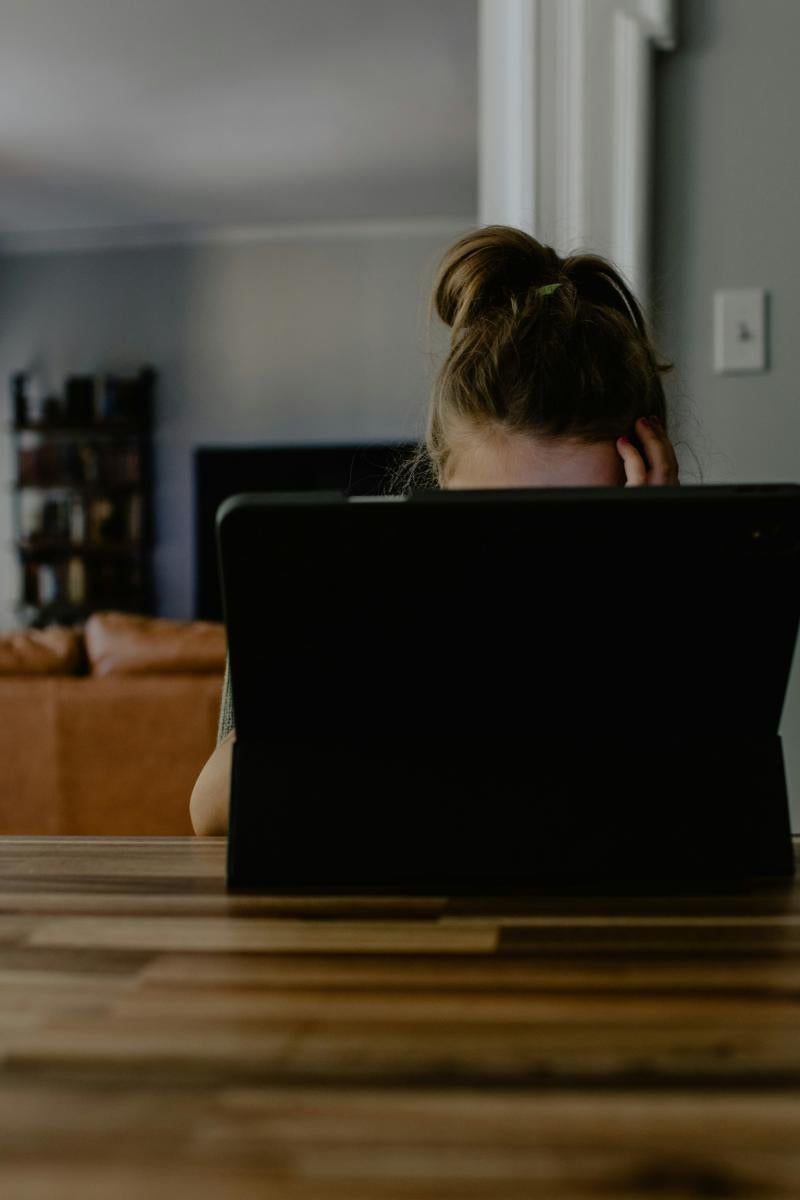
New Zealand Police is urging parents to be alert to the potential risks facing children and young people online.
Today is Safer Internet Day – a global event to promote safe and positive online experiences.To ensure a collaborative approach to internet safety, Police works closely with our partner agencies, including the Department of Internal Affairs, Netsafe, and New Zealand Customs.
Detective Senior Sergeant Kepal Richards, officer in charge of New Zealand Police Online Child Exploitation Across New Zealand Team (OCEANZ), says supervising children and young people online is the best way to keep them safe.
“The internet opens up a world of opportunity but there are offenders online looking to exploit people, and they target the most vulnerable.
“In the worst-case scenario, we see online extortion groups trying to persuade children and young people to record self-harm and sexually explicit acts, alongside other violent crimes.
“The footage is then circulated among members of the extortion group to gain notoriety and further extort victims.
“Offenders may also threaten to share these videos or images online or with the victim’s family and friends.
“While we’re not seeing a large number of this type of offending here in New Zealand at this time, we know this is having a significant impact overseas.
“We want parents to be alert to the possible risks, but not alarmed.”
Police urge parents and caregivers to educate themselves on this topic and have conversations with their young people about the dangers of having an online presence.
“Having open and regular conversations is the most important tip we can give any parent or caregiver,” Detective Senior Sergeant Richards says.
"This ensures their young children feel comfortable to come forward about any online issues that may arise.”
For parents and caregivers:
- Supervision is essential. This means knowing what your children are doing online, who they are interacting with, and what platforms, apps, or games they are using.
- Check privacy settings. We recommend parents and caregivers research and understand app settings, including privacy settings. This can include turning off location settings, setting profiles to private, or turning off chat functions.
- Long term impact. Offenders will often use tactics such as fear or shame to manipulate young people, and make them feel alienated or trapped, like they cannot escape the situation. These situations can be very distressing and can have long term impacts and need to be addressed appropriately.
- Report suspicious behaviour. Make a report and seek help and support.
For victims:
- Stop talking to the offender and avoid sending any more images or videos – even if they are threatening you.
- Once you have complied with their demands, there is nothing preventing them from targeting you again.
- Save all the online chat, immediately take screenshots. This is important for making a report to the Police, we need all the evidence that you can gather.
- Report the content and person’s profile to the platform and request the content is removed.
- Block the profile.
Where to report offending:
- To report any offending to Police, please call 111 in an emergency, and for non-emergencies, online at 105.police.govt.nz, clicking “Make a Report” or by calling 105.
- If you have seen content online that you wish to report, make a report to the Department of Internal Affairs HERE.
- If you would like advice and support from Netsafe, text ‘Netsafe’ to 4282 or call for free on 0508 NETSAFE (0508 638 723).
- You can also report online at netsafe.org.nz/report or by email at help@netsafe.org.nz.

Poll: Is it ok to regift something that you have been given?
🎁 Holiday Gift Chat!
Do you ever regift?
What’s your take on asking for a receipt if a gift doesn’t fit?
-
79.9% Yes! It's better to regift what I don't need
-
20.1% No. It's the thought and effort that matters

Today’s Mind-Bender is the Last of the Year! Can You Guess It Before Everyone Else? 🌟🎁🌲
I dance in the sky with green and gold, a spectacle few are lucky to behold; I’m best seen in the south, a celestial sight—what am I, lighting up the New Zealand night?
Do you think you know the answer? Simply 'Like' this post and we'll post the answer in the comments below at 2pm on the day!
Want to stop seeing these in your newsfeed? No worries! Simply head here and click once on the Following button.

Create a Stunning Stain Feature Wall with Resene Colorwood
Transform your living room into a work of art with Resene Colorwood wood stains. Find out how to create your own stain feature wall with these easy step by step instructions.

 Loading…