






Rural healthcare has unique challenges – mayors
By David Hill, Local Democracy Reporter
The health needs of rural communities must not be forgotten amid the latest healthcare sector changes, North Canterbury's mayors say.
Te Whatu Ora Health NZ recently announced the appointment of four regional deputy executive directors, including one based in Christchurch, in a move back towards regional decision making.
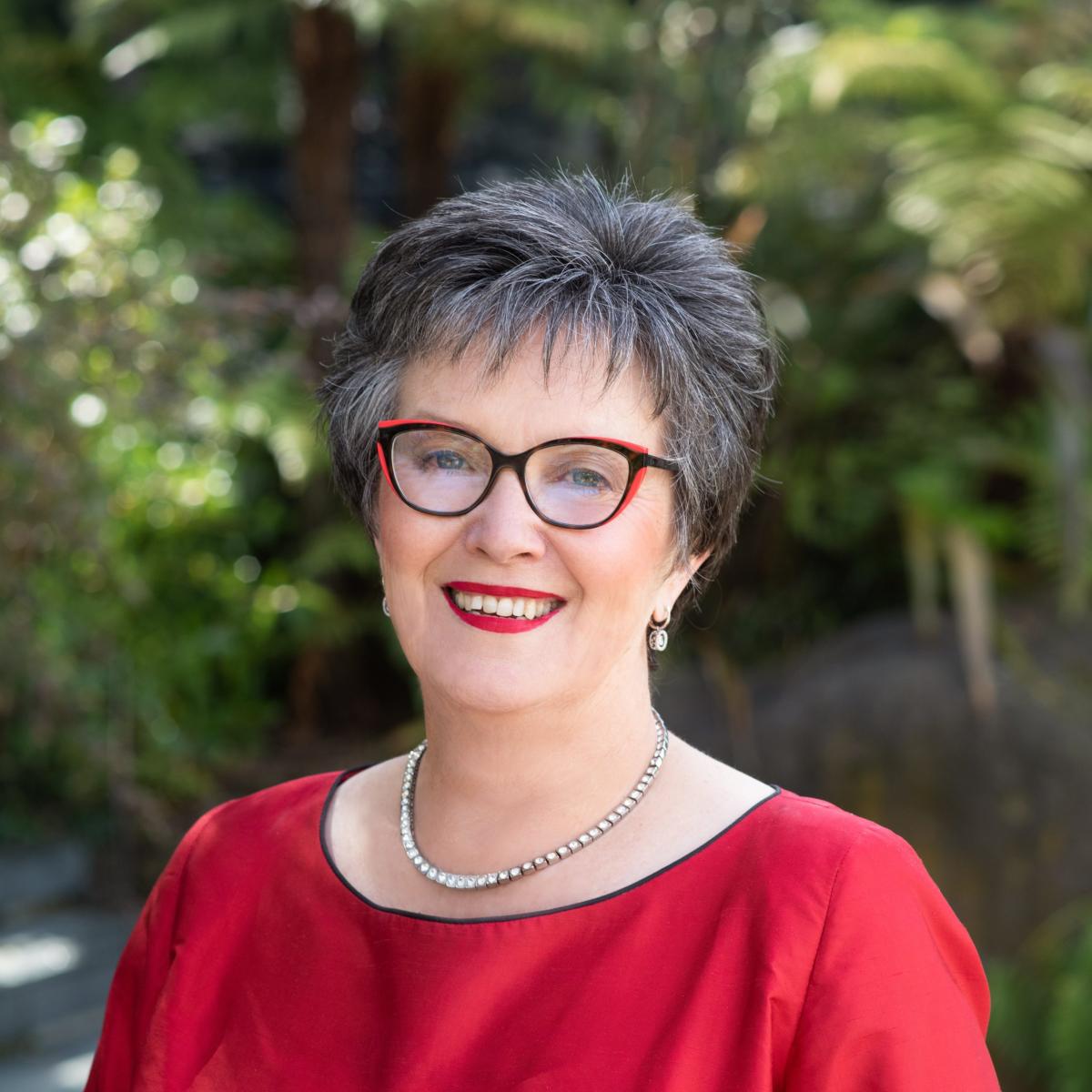
Hurunui mayor Marie Black and Waimakariri mayor Dan Gordon have been calling for local accountability since district health boards were replaced by Health NZ two years ago.
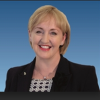
Martin Keogh has been appointed deputy executive director for the South Island.
Black said while she welcomed some decision making closer to home, she questioned how much understanding there would be of rural community needs.
‘‘The South Island is a big area to cover with a lot of different issues and knowing what it is actually like to provide a service in Cheviot, for example, might be difficult,’’ Black said.
‘‘Attraction and retention of staff in a rural setting remains a challenge.
‘‘It is a fairly tiresome role in a rural district, because you are always on call, even when you are not.’’
Providing services to help older people in their homes is more challenging in a rural community, she said.
This is because home help services often become ‘‘fragmented and fragile’’ due to the distances involved, Black said.
‘‘We need to keep an eye on that and on providing care for end of life and respite care.’’
The use of Telehealth technology has been talked about in the media as it is increasingly used to cover for a lack medical professionals, particularly in rural areas.
The increased reliance on Telehealth might work for some people, but can be challenging for older people, Black said.
But rural communities had ‘‘magnificent’’ volunteers services such as St John and Meals on Wheels, she said.
Gordon said it had been difficult to get answers about health issues impacting on Waimakariri residents since district health boards were abolished.
Appointing a South Island-based director is ‘‘a great first step’’ towards local accountability, he said.
‘‘This is something I advocated for because I know that having a local voice close to the issues is vital for our communities.
‘‘The old DHB system was not ideal, but at least we knew who was accountable and who to call when issues arose.’’
Health NZ has been contacted for comment.
■ LDR is local body journalism co-funded by RNZ and NZ On Air.

Poll: Do you set New Year’s resolutions?
🎉 2026 is almost here!
We’re curious ... how do you welcome it?
Do you set resolutions, follow special traditions, or just go with the flow?

-
9.8% Yes! New Year, New Me
-
22% Yes - but I rarely stick to them
-
68.1% Nah - not for me
Poll: Is it ok to regift something that you have been given?
🎁 Holiday Gift Chat!
Do you ever regift?
What’s your take on asking for a receipt if a gift doesn’t fit?

-
78.7% Yes! It's better to regift what I don't need
-
21.3% No. It's the thought and effort that matters

Today’s Mind-Bender is the Last of the Year! Can You Guess It Before Everyone Else? 🌟🎁🌲
I dance in the sky with green and gold, a spectacle few are lucky to behold; I’m best seen in the south, a celestial sight—what am I, lighting up the New Zealand night?
Do you think you know the answer? Simply 'Like' this post and we'll post the answer in the comments below at 2pm on the day!
Want to stop seeing these in your newsfeed? No worries! Simply head here and click once on the Following button.

 Loading…