





Grant Application
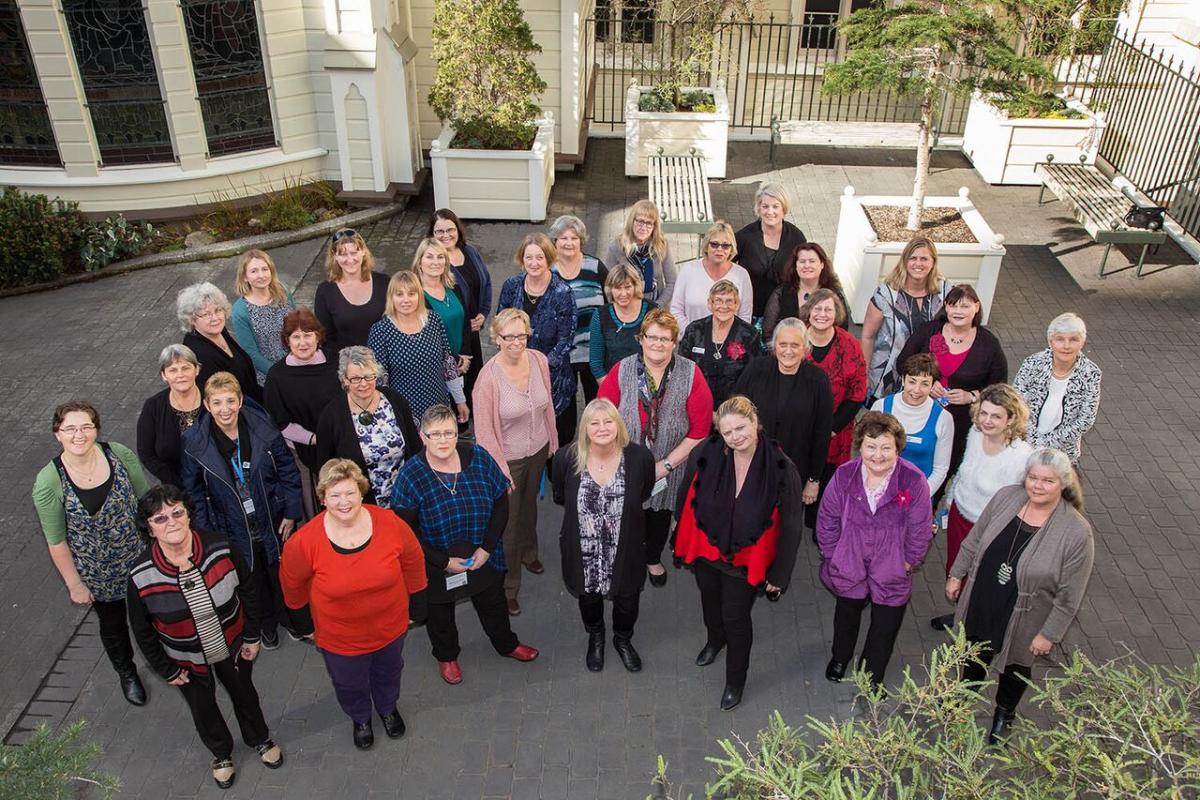
Parkinson’s New Zealand provides support, education and information to New Zealanders living with Parkinson's, their families, carers and health professionals.
We need help to support our free Nationwide Parkinson’s Community Educator service.
Our Community Educators:
• Conduct home visits. These provide individualised advice through a personal assessment. Our Community Educators work with the person with Parkinson’s, their family and carers to provide information and support to an agreed plan that promotes optimal health and lifestyle.
• Facilitate support groups for people with similar needs or issues. These groups come together to share coping strategies and experiences and are a chance to establish social networks. These meetings also provide relevant information and access to educational opportunities and speakers.
• Provide referrals. Community Educators can give advice and liaise with health professionals and others who work with people with Parkinson’s in the community. For example speech language therapists, occupational therapists (who can arrange things like handrails or bath seats, they also can help you learn new ways to do daily activities) and physiotherapists.
• Give advice on monitoring of medication. Parkinson’s medication routines are unique to each individual. Community Educators can help with information about managing side effects, ‘on and off’ periods and sleep problems.
• Give general advice. For example on how to arrange mobility vouchers, parking permits, home help and other general assistance.
• Advocate. Our Community Educators can assist with conversations with hospitals, specialists and employers.
• Organise social activities. These provide a sense of togetherness and give people an opportunity to meet, talk and support each other during social outings.
• Facilitate exercise and other therapies. These may include group exercise classes, physiotherapy, hydrotherapy and art or music therapy sessions.
• Coordinate educational seminars. Many of Parkinson’s New Zealand’s divisions organise educational seminars. Education seminars provide access to a variety of speakers including neurologists, researchers, pharmacists and other health professionals.
• Facilitate whānau meetings. Community Educators are available to meet with whānau to discuss how they can best support their family member. They can provide information to give whānau a better understanding of the condition. They can also provide information about respite care, both day programmes and short term care.
We would spend the funds on contributing to our Community Educators’ salaries. Our educators are highly skilled, qualified and professionally trained. They fill a gap in Parkinson’s care and are an invaluable source of support and information.
The service they provide improves the quality of life of people with Parkinson’s, their carers and whānau. People’s well-being is improved and they have better health outcomes when supported by our holistic service.
This service benefits the wider community, as well as people directly impacted by Parkinson’s. When people with Parkinson’s are supported, they are empowered to participate more actively in their communities. The same goes for their carers and whānau.
Parkinson’s New Zealand helps to create more connected communities by empowering people to:
• participate in their communities;
• create strong, mutually supportive relationships with their peers; and
• build awareness of Parkinson’s in the wider community by holding events and campaigns.

Neighbourhood Challenge: Who Can Crack This One? ⛓️💥❔
What has a head but no brain?
Do you think you know the answer? Simply 'Like' this post if you know the answer and the big reveal will be posted in the comments at 2pm on the day!
Want to stop seeing these in your newsfeed?
Head here and hover on the Following button on the top right of the page (and it will show Unfollow) and then click it. If it is giving you the option to Follow, then you've successfully unfollowed the Riddles page.

Poll: Is it ok to regift something that you have been given?
🎁 Holiday Gift Chat!
Do you ever regift?
What’s your take on asking for a receipt if a gift doesn’t fit?
-
78% Yes! It's better to regift what I don't need
-
22% No. It's the thought and effort that matters

Some Choice News!
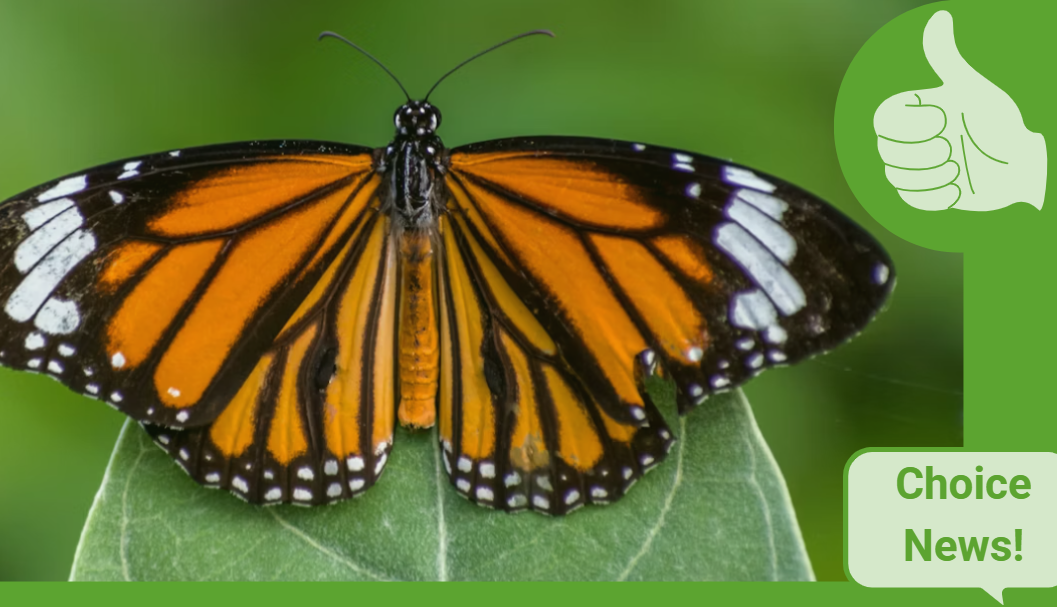
Many New Zealand gardens aren’t seeing as many monarch butterflies fluttering around their swan plants and flower beds these days — the hungry Asian paper wasp has been taking its toll.
Thanks to people like Alan Baldick, who’s made it his mission to protect the monarch, his neighbours still get to enjoy these beautiful butterflies in their own backyards.
Thinking about planting something to invite more butterflies, bees, and birds into your garden?
Thanks for your mahi, Alan! We hope this brings a smile!
 Loading…