








Five simple ways to make your kitchen more sustainable
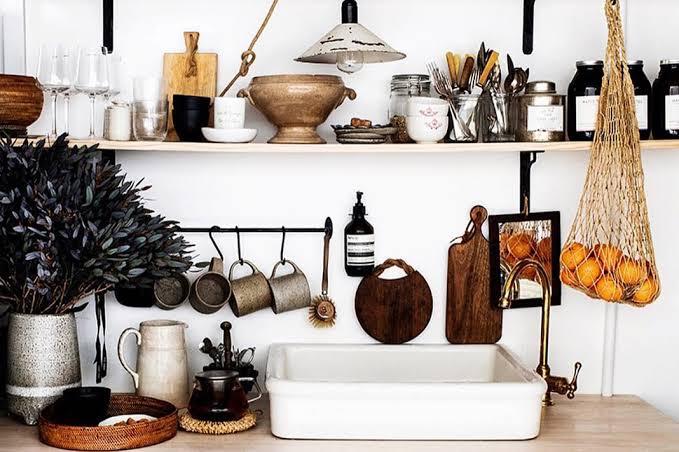
When it comes to making decisions that are more environmentally-conscious it can feel a bit overwhelming knowing where to begin. As the heart and hub of our homes, we think the kitchen is a good place to start. Don’t worry about embarking on a major lifestyle makeover, you’ll find that small, thoughtful choices can add up to make a difference. Here a few easy-to-adopt habits that can help you live a bit more sustainably.
1. Create a compost bin
From compost bins and tumblers to worm farms and indoor Bokashi buckets, there are a range of compost solutions available these days to suit your home and lifestyle. Starting your own compost is a great way to reduce the amount of food waste ending up in the landfill and will keep your garden soil happy and healthy. Plus, it’s a great way to teach your kids about waste and how to be responsible for their impact on the environment.
2. Swap your sponges
When it comes to kitchen waste that needs an eco-friendly makeover, sponges aren’t usually the first thing that springs to mind. Often containing synthetic fibres, your everyday sponge can actually end up contributing to landfill waste that’s harmful to the environment. The best thing to do is to swap your sponges, scourers and cloths for sustainable alternatives.
3. Try natural cleaning products
Swapping regular cleaning products for natural alternatives reduces the level of harsh chemicals in your home and also helps to keep these nasties out of the waterways. An easy and inexpensive solution is to just create your own DIY cleaning products at home. Stock your cupboards with white vinegar, salt, baking soda, lemons and you’ll have everything you need to create a multitude of different eco-friendly cleaning remedies.
4. Shop seasonally
Shopping seasonally and buying locally grown produce is another important way you can be environmentally sustainable. Produce that’s not in season has to either be imported from overseas which racks up carbon miles or grown in greenhouses which consume a lot of energy to achieve the right climate. The best part about buying seasonal fruit and veg is that produce is usually fresher and much cheaper. Buying in bulk is also a clever way to limit packaging. Stock up on airtight containers to ensure any bulk items you buy can be stored properly to prevent food waste.
5. Make green choices
Achieving an eco-friendly kitchen comes down to the choices you make. But this doesn’t mean you have go off-grid and lead an inconvenient life, it’s all about changing your habits a little and finding a sustainable alternative. Some greener choices any busy family can make include:
Always keeping a stash of reusable shopping bags in the car.
Saying no to straws or swapping to metal or bamboo alternatives.
Storing food in airtight containers to reduce the amount of food waste.
Swapping to energy-efficient light bulbs.
Choosing products made of renewable materials.
Choosing energy-efficient options when buying new appliances.
Taking your soft plastics to your local supermarket if they offer soft plastic recycling.
Looking for recycled, second hand materials if you’re planning on renovating.

Today’s Mind-Bender is the Last of the Year! Can You Guess It Before Everyone Else? 🌟🎁🌲
I dance in the sky with green and gold, a spectacle few are lucky to behold; I’m best seen in the south, a celestial sight—what am I, lighting up the New Zealand night?
Do you think you know the answer? Simply 'Like' this post and we'll post the answer in the comments below at 2pm on the day!
Want to stop seeing these in your newsfeed? No worries! Simply head here and click once on the Following button.


No gift? No stress
Let the Christmas elves at Mags4gifts.co.nz handle your last-minute shopping. For a limited time, gift a subscription with up to 40% off best-sellers like TV Guide, NZ House & Garden, and NZ Gardener. It’s the perfect Christmas present, sorted in minutes (and no one needs to know it was a last-minute surprise)!


Poll: Is it ok to regift something that you have been given?
🎁 Holiday Gift Chat!
Do you ever regift?
What’s your take on asking for a receipt if a gift doesn’t fit?

-
79.3% Yes! It's better to regift what I don't need
-
20.7% No. It's the thought and effort that matters
 Loading…