





How to Get Rid of Cockroaches
Cockroaches are an extremely common household pest throughout all of New Zealand and although they make you shudder when you see them, they thankfully do not pose many health risks, however they can transmit diseases, so it is best to keep them out of your home. As with any pest the number one preventative measure is to keep your home and outside surrounding areas as clean as possible. We’ll talk through more information about the different types of cockroaches, how to prevent an infestation before it happens, and if needed how to kill cockroaches.
What are the 3 main types of cockroach?
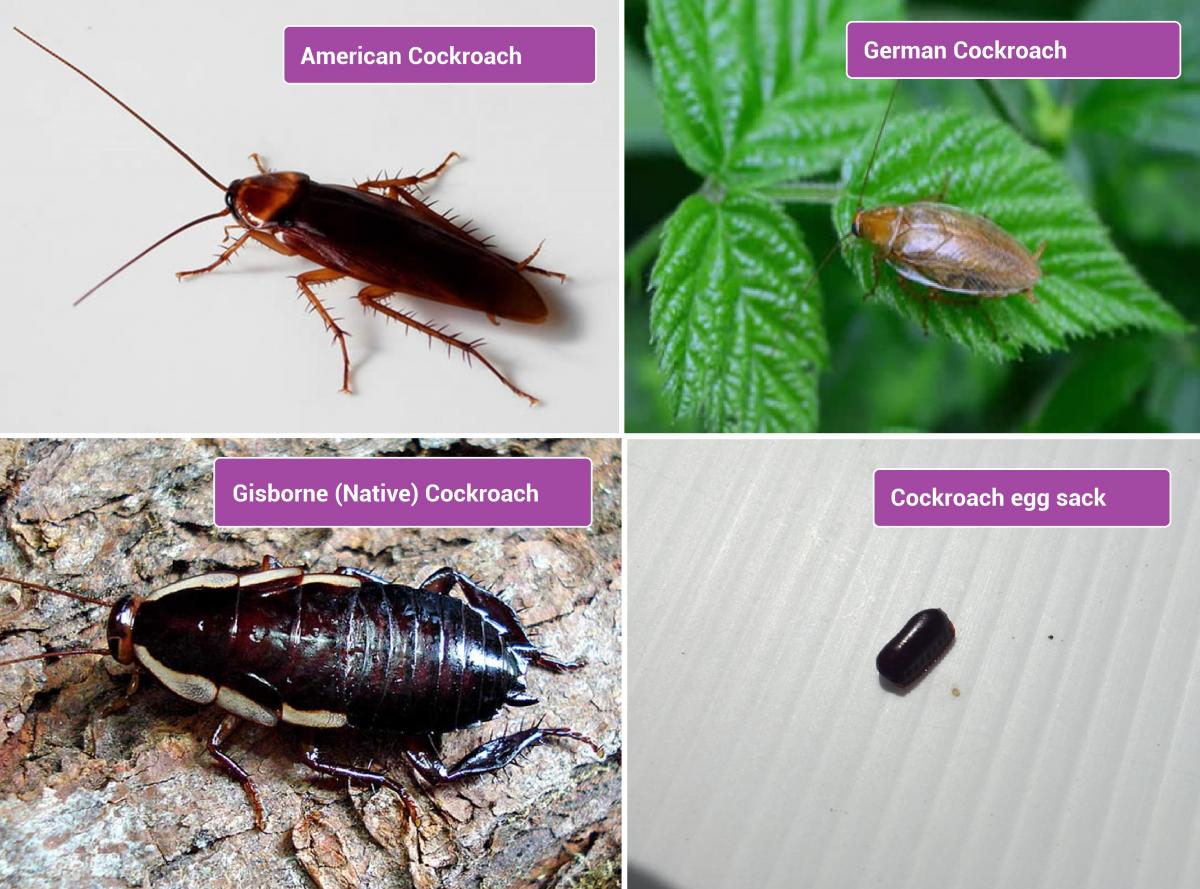
Although there are thousands of different species of cockroach, here in New Zealand we tend to only deal with the following three culprits. They are all pests and have the potential to transmit diseases such as dysentery, salmonella and diarrhoea due to their eating habits. See below for more information on the pests most wanted list.
The Gisborne Cockroach
This is our native representative, although it was first introduced from Australia, they are usually not found in doors at all so if you spot one of these in your home, it was likely by accident such as being carried in through timber and firewood.
They commonly live outdoors in damp dark areas and feed on decaying forest matter, so if you happen to spot one of these, it might be worth just giving a helping hand to get it back outside again.
The American Cockroach
This is the most common species found in New Zealand and is known as a pest throughout the world. Despite the name this species is native to Africa and the Middle East. They have adapted very well to human living spaces as they prefer moist areas with warmer temperatures.
Classified as omnivores, they will eat many foods as well as materials including leather, beer, glue and book bindings. They have the potential to cause sickness in humans, from their odorous secretions and bacteria that they pick up and deposit on food and surface areas and so it is very important to keep your house as clean as possible.
The German Cockroach
Although the smallest of the cockroach species found in New Zealand, they are actually the biggest problem. They do not like cold temperatures to a point where they struggle to survive and so they will always look to go inside of buildings for warmth. They more commonly prefer restaurants, food processing facilities and hotels to residential.
They are defined as omnivore scavengers, meaning they eat everything the American Cockroach does as well as meats, starches, sugars and fatty foods.
Keep reading: www.curtainclean.co.nz...

The Summer Kiwi Quiz is back by popular demand
Grab a copy of your local Stuff newspaper between 1 Jan - 28 Jan and participate in the Summer Kiwi Quiz! Test your knowledge, answer the daily New Zealand based questions, and find out how well you know our beautiful country!
Each correct answer will get you one entry into the draw to WIN 1 of 5 Ooni Karu 2 Portable Pizza Oven bundles, valued at $1024! Each bundle includes: an Ooni Karu 2 Multi-Fuel Portable Pizza Oven, Ooni Karu 2 Carry Cover, Ooni 12" Perforated Peel, Ooni Digital Infrared Thermometer and an Ooni Cookbook: Cooking with Ooni. The more answers you enter correctly, the higher your chance of winning. For more information and to submit your answers, click here
The Team at Stuff


Poll: Do you set New Year’s resolutions?
🎉 2026 is almost here!
We’re curious ... how do you welcome it?
Do you set resolutions, follow special traditions, or just go with the flow?

-
10.1% Yes! New Year, New Me
-
19.5% Yes - but I rarely stick to them
-
70.4% Nah - not for me
Scam Alert: Fake information regarding December Bonuses from MSD
The Ministry of Social Development is reporting that fake information is circulating about new ‘December bonuses’ or ‘benefit increases’
If you get suspicious communication, please contact Netsafe.

 Loading…