






How to Look After Linen
Linen looks good but is notorious for creasing. Here's how to get the best from this stylish fabric.
Linen wrinkles and creases very easily so if you want it to appear smooth and flat, it needs ironing. It may also need starching. However, the wrinkles in the fabric are often considered part of linen’s character, and many linen garments are now designed to be air-dried and worn without ironing.
Tips for machine washing linen
• Check the care label for guidance on washing temperature.
• Always separate dark/coloured linens from white or off-white linens to avoid colour transfer in the wash.
• The first time you wash a linen article, wash it separately from other materials. Linen can cause lint.
• Linen is a natural fibre that can absorb a lot of water. This means it is prone to heavy creasing in the wash. If you give linen items a lot of space to move around in the washing machine drum, this should reduce the amount of creasing. It is best to only half fill the machine.
• Avoid using bleach on linen, as this weakens the fibres and it may affect the colour of dyed linens.
• Bleach particles in conventional washing powder make natural linen colour fade, so use only mild detergents.
• If possible, choose a wash programme with a long soak, a short wash/rinse and a short spin and using a moderate to cool temperature.
• When the wash cycle is finished, immediately remove items from the machine to avoid any extra creasing.
• Straighten out and gently stretch the linen after the wash.
• Line-dry or air dry or dry flat.
•Do not tumble dry linen, as it may leave permanent creasing and it will shorten the life of the item. If you dry linen in a hot tumble dryer, it can shrink up to 15%.
Note: Linen can generally be machine washed at high temperatures but this can cause shrinkage. Modern detergents generally work just as well at a lower temperature so it is not necessary to use a hot wash. We recommend the maximum temperature you use for linen is 60°C.
Hand washing linen
Fine embroidered or hand hemmed/stitched linen items need extra care. It is usually best to hand wash these items or take them to a professional cleaner.
• Use water that is comfortably warm to the touch (blood heat) and also ensure you use the correct washing detergent (see advice above). This should be dissolved/evenly distributed in the water before you add the item.
• Let the item soak for up to two hours to ensure the fibres are saturated.
• Use gentle agitation to wash the item.
• Rinse the item in three clean rinses of cool water, or rinse until the water is clear.
• Between rinses and at the end of the wash, squeeze the excess water out of the item.
• Starch the item at this stage (if you are using starch).
• Dry flat if possible, gently pulling item to the correct size. Alternatively line-dry or air dry. Do not tumble dry.
Ironing linen
Keep reading: www.curtainclean.co.nz...


Poll: Are our Kiwi summer holidays helping us recharge, or holding the economy back? ☀️🥝
There’s growing debate about whether New Zealand’s extended Christmas break (and the slowdown that comes with it) affects productivity.
Tracy Watkins has weighed in ... now it’s your turn. What’s your take? 🤔

-
72.9% We work hard, we deserve a break!
-
16.1% Hmm, maybe?
-
11% Yes!


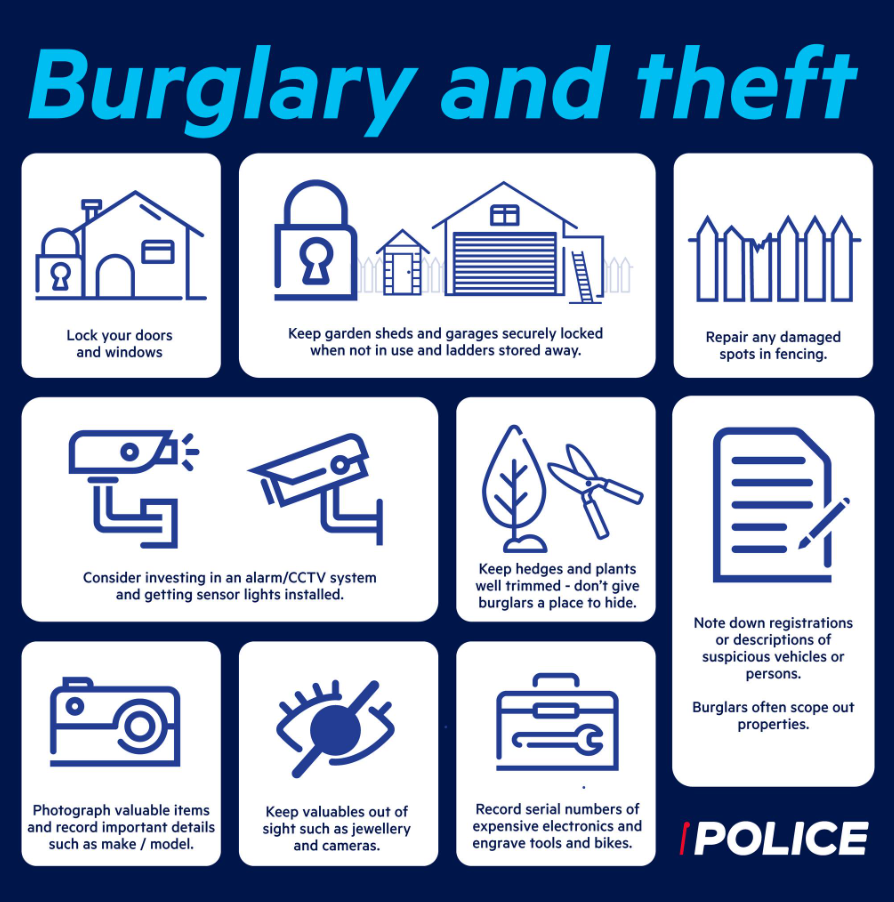
Secure your homes over summer
Police are reminding people to keep their homes secure during the summer months.
Inspector Glenda Barnaby, Christchurch Area Prevention manager, says daytime burglaries are just as common as nightime burglaries.
“Burglaries can be committed at any time of the day, and coming into warmer months there is more opportunity for thieves."
"Although a majority of burglaries involve forced entry through windows and doors, we are starting to see more incidents at insecure premises. Police deal with cases where burglaries are committed in broad daylight, sometimes even while the victim is at home. Good weather means open doors and windows, which makes homes more vulnerable to burglars.”
Inspector Barnaby says there’s a few things people can do to reduce their changes of a burglary being committed.
⚠️ If you’re going outside for gardening, relaxing in the sun, or working in the garage, take a moment to lock your doors and secure your windows first.
⚠️ Do the same at night when you go to bed - keep your doors and windows secure and close your curtains. Fitting window stays means you can get a breeze coming through, while keeping your windows secure.
⚠️ Get to know your neighbours - let them know if you’re going away and look out for one another.”
If you see any suspicious activity, people or vehicles in your neighbourhood, don't hesitate to contact Police.
If you witness or suspect any illegal activity, please call 111 if it is happening now, or make a report through 105 either online or over the phone, if it is after the fact.
 Loading…