






Why are my windows damp all the time?
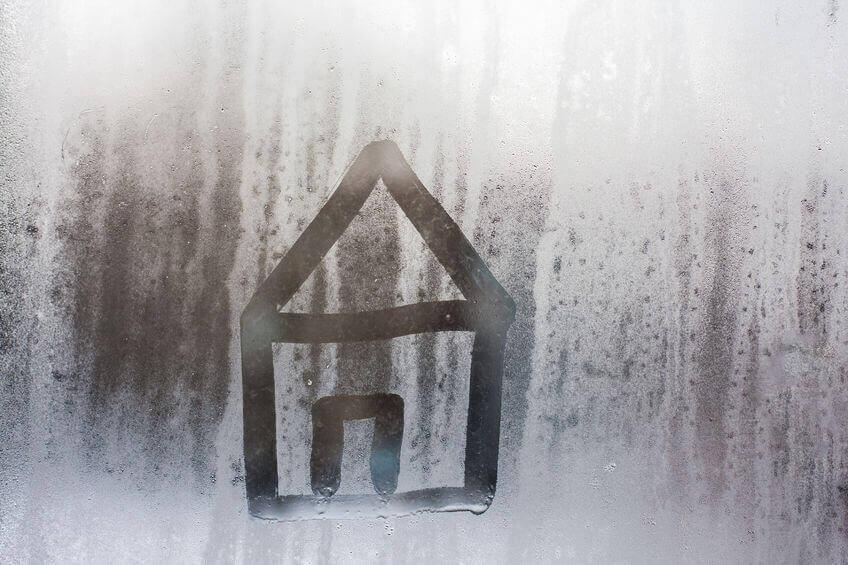
How do you know it’s winter? When the windows start dripping. While it might seem like just another staple of New Zealand homes, you don’t have to put up with a pool of water at the bottom of your windows every morning.
How condensation forms and why it matters: Condensation is the result of water warming up, evaporating, then turning back into a liquid once it touches a cold surface. You know when you breathe onto a mirror and you can use your finger to write messages in the remaining mist? That’s condensation. The same thing happens with the moist air in your home and your cold windows.
What's the big deal about moisture anyway? Moisture doesn’t just make your home feel cold and damp, it causes mould too. Mould has all sorts of nasty effects on your health and it thrives in wet environments.
The condensation on the inside of your windows is a good indicator that there is too much moisture in your home. You can get accurate readings from a ‘hygrometer’; a cheap little device that you can get from many hardware stores that tells you exactly how humid the room is.
Ideally, you’d use one in each room of your house over the course of a few days to get an idea of which room is in most need of attention. If the reading is over 65% relative humidity and below 18 degrees Celsius, it might be time to take the following steps, depending on the room.
Kitchen
Boiling water and cooking kai releases up to 3 litres of water every day---it’s one of the worst offenders in the fight against wet windows. Doing the dishes isn’t much better, contributing up to 1 litre per day. To reduce the impact, remember to:
• Keep the extractor fan on. Your range hood should be larger than the cooking surface it’s venting, and should be venting directly outside---not to the roof space. Otherwise, it might end up damaging the insulation and internal roof structures. If you’re renting and the extractor fan doesn’t tick those boxes, it’s worth discussing with your landlord. They don’t want moisture or mould in your home either.
• Keep pots covered. If you’re boiling potatoes, pasta or just making a cup of coffee or tea, keep the lid on while the water heats up and while the contents cooks. Not only does this keep the steam inside, it also means the water boils faster---less energy used, a lower utility bill, and a faster dinner!
BATHROOM
Don’t worry, cleaning your teeth isn’t spreading moisture into the air, no matter how vigorously you scrub. But the bath and the shower certainly are, with each person releasing 1.5 litres of water per day with their washes.
Keep reading: www.curtainclean.co.nz...

Poll: Are our Kiwi summer holidays helping us recharge, or holding the economy back? ☀️🥝
There’s growing debate about whether New Zealand’s extended Christmas break (and the slowdown that comes with it) affects productivity.
Tracy Watkins has weighed in ... now it’s your turn. What’s your take? 🤔

-
73.1% We work hard, we deserve a break!
-
16.2% Hmm, maybe?
-
10.7% Yes!

Brain Teaser of the Day 🧠✨ Can You Solve It? 🤔💬
How many balls of string does it take to reach the moon?
(Peter from Carterton kindly provided this head-scratcher ... thanks, Peter!)
Do you think you know the answer? Simply 'Like' this post and we'll post the answer in the comments below at 2pm on the day!
Want to stop seeing these in your newsfeed? No worries! Simply head here and click once on the Following button.


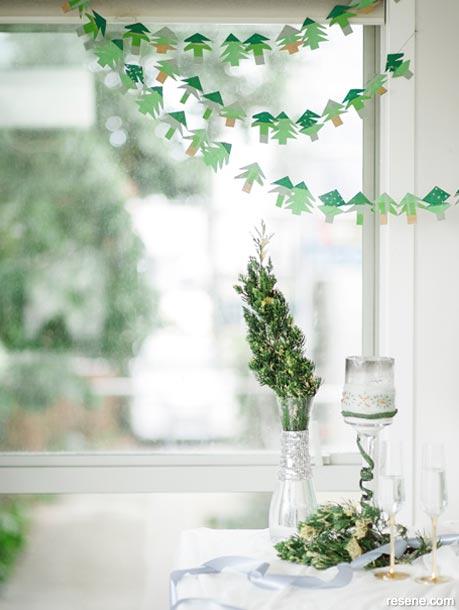
Celebrate in Style: Craft Your Own Decor with Testpots
Create handcrafted celebrations using Resene testpots. Find out how to create your own with these easy step by step instructions.
 Loading…