






Bee and wasp stings
Most of us have had a wasp or bee sting at some time in our life.
A bee will only sting if it, or the hive is threatened. Unfortunately there is little you can do to treat a bee sting other than ensuring the stinger is removed and a ice pack applied. Putting on lotions, or other remedies will only provide topical relief as you cannot neutralize the poison that is already inside.
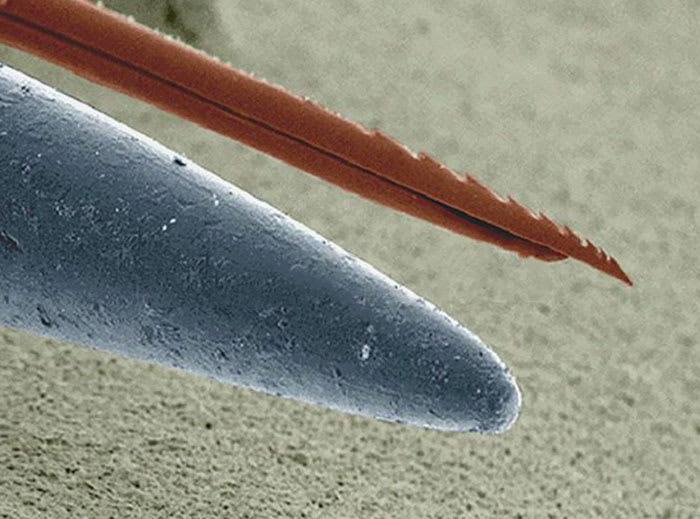
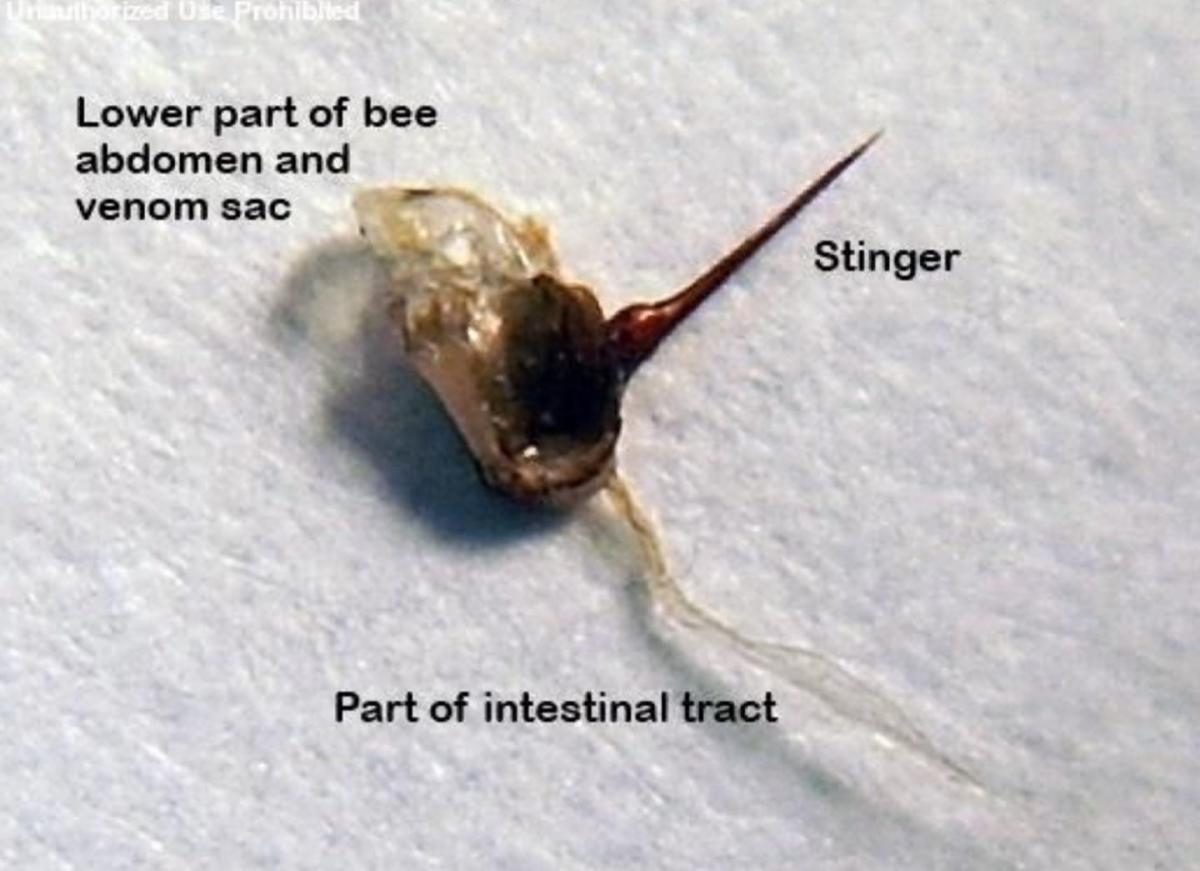
As you can see by the photo comparing a bee stinger with a needle the stinger is very sharp and very tiny. The stinger is barbed and will work its way into the skin injecting the venom at the same time, however that is the end of the bee as the stinger cannot be extracted and the bee will rip its stinger out of its abdomen.
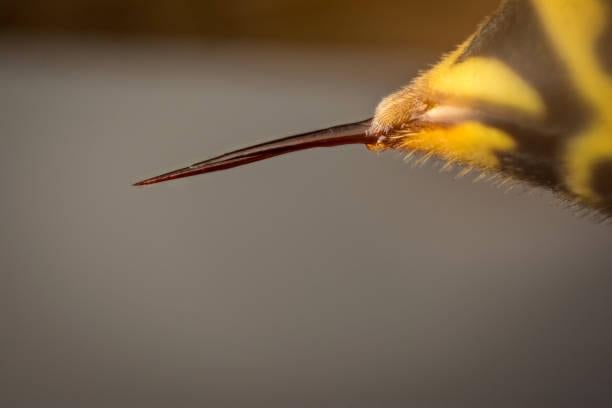
The wasp stinger is not barbed and it can sting multiple times. The second photo is of a wasp stinger and the third is what the poor bee leaves behind.

Scam Alert: Fake information regarding December Bonuses from MSD
The Ministry of Social Development is reporting that fake information is circulating about new ‘December bonuses’ or ‘benefit increases’
If you get suspicious communication, please contact Netsafe.
Poll: Are Kiwis allergic to “exuberance”? 🥝
In The Post’s opinion piece on the developments set to open across Aotearoa in 2026, John Coop suggests that, as a nation, we’re “allergic to exuberance.”
We want to know: Are we really allergic to showing our excitement?
Is it time to lean into a more optimistic view of the place we call home? As big projects take shape and new opportunities emerge, perhaps it’s worth asking whether a little more confidence (and enthusiasm!) could do us some good.
-
41.3% Yes
-
32.8% Maybe?
-
25.9% No

Some Choice News!
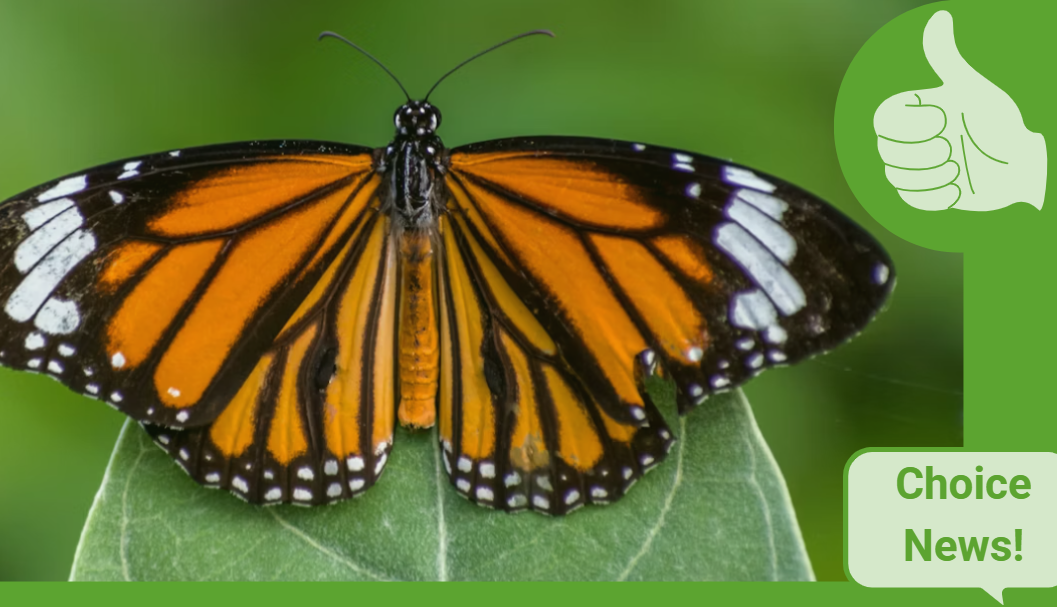
Many New Zealand gardens aren’t seeing as many monarch butterflies fluttering around their swan plants and flower beds these days — the hungry Asian paper wasp has been taking its toll.
Thanks to people like Alan Baldick, who’s made it his mission to protect the monarch, his neighbours still get to enjoy these beautiful butterflies in their own backyards.
Thinking about planting something to invite more butterflies, bees, and birds into your garden?
Thanks for your mahi, Alan! We hope this brings a smile!
 Loading…