






Auditory Processing Disorder
This week’s speaker was Natalie Bryan, whose son Jackson suffers from Auditory Processing Disorder, or APD. Natalie is a multi-tasker who runs a tiling business with her husband, is a life coach, has two children, and recently has become an author and illustrator.
Jackson’s condition was first noticed when he was traumatised at a particularly noisy family day out. Essentially, APD means that sounds received by the ears are scrambled in the brain and lose much of their meaning. It varies in its effect and severity. Symptoms include tiredness and poor memory retention, and can lead to loss of self-confidence and behavioural problems. Up to 6% of children may be suffering from APD.
There is no cure for APD, but the brain can be trained to lessen its effects.
APD sufferers need support, and supporters need networks. Natalie decided to write, illustrate and publish a book (“JC the Bumble Bee”) in 2022 to describe Jackson’s journey. It lists resources available to the parents of APD sufferers.
Natalie played an audio simulation of what APD feels like, which was disturbing.
Natalie is an accomplished speaker and asked the club to help publicise and spread her new book to those who may need it.
She was kind enough to share her presentation which you can find here. JC_bumble_Bee_Presentation.pdf


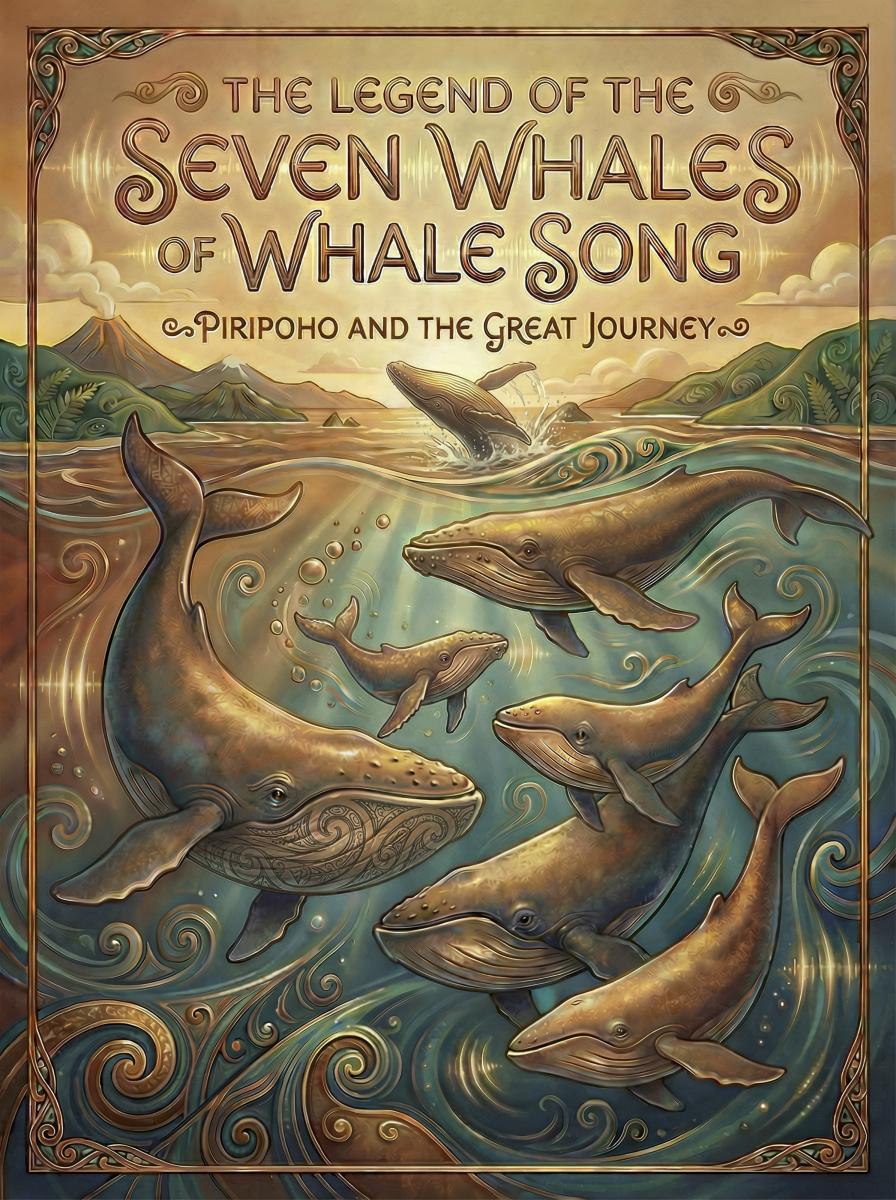
The legends of the Seven Whales of Whale Song - download and enjoy!
Visit
www.whalesong.kiwi...
and download the new "Legend of the Seven Whales of Whale Song", a visually delightful mythical story about the Whale Song family and their messages to humanity!
This a new concept! A "Like It:Donate" book, so if you and your mokopuna enjoy this story, please support this exciting vision and make a donation!
See the inside back cover of the "Legend" book for more details!

Today’s Mind-Bender is the Last of the Year! Can You Guess It Before Everyone Else? 🌟🎁🌲
I dance in the sky with green and gold, a spectacle few are lucky to behold; I’m best seen in the south, a celestial sight—what am I, lighting up the New Zealand night?
Do you think you know the answer? Simply 'Like' this post and we'll post the answer in the comments below at 2pm on the day!
Want to stop seeing these in your newsfeed? No worries! Simply head here and click once on the Following button.

Scamwatch: How to recognise, avoid and act against scams.
A scam or a fraud is any scheme designed to con you out of money or steal your personal information. If someone contacts you unexpectedly – whether over the phone, through the post, by email, on a website, in person or on social media – always consider the possibility that it may be a scam.
Scammers target lots of people, often for small amounts of money. They constantly evolve their approach making scams harder to spot. Most scams come from overseas, but they may pretend to be locally based — from a reputable company, bank, or government agency, or even from your friends on social media if your account has been hacked. It is very difficult to get your money back once it is sent overseas.
Scams hurt us all. You can protect yourself and others by learning how to spot scams, share what you see and report them.
Figure out if you are being scammed: Use these questions to help figure out if you have been targeted by a scammer.
Article compiled from information kindly supplied by ConsumerProtection.govt.nz
Q&A regarding Neighbourly data breach
 Loading…