







How to Care for Your Washing Machine
Looking after your washing machine will maximise its life and performance.
Our member surveys indicate that the average life expectancy of a top loader is seven years, and 12 for a front loader. A little care and maintenance can go a long way, so here are some tips to help you get the most from your washer.
Watch out for keys and coins
Keys and coins kill washing machines. Check pockets before washing, and look for dirt and objects left in the drum, or hidden in the rubber seals after each wash.
Check your pump filter
Many washing machines have these as a last line of defence against foreign objects. Look for a small hatch low down on the outside of your machine. Check this monthly and clear anything that shouldn’t be in there — use a towel or tray to catch the water when you open it up. If your machine isn’t draining, this is the first thing to check before calling for a repair.
Limit your washer's spin speed
Keep this to 1200rpm, even if your machine goes up to 1400 or even 1600rpm. Higher speeds reduce the life of belts, drum bearings and door seals, without removing much more water.
Don’t use fabric softener with laundry detergent
Fabric softeners react to create a waxy residue called “scrud”. No one wants “scrud” – especially as it clings to unseen parts of the machine, such as under the agitator. If blobs break free, they can leave greasy marks on laundry.
Regularly clean the detergent dispenser
Check the manual to see how to remove it, and wash it thoroughly in warm soapy water.
Clean the door seal
Remove water from the door seal after each wash (if you notice mould, wipe the rubber seal with hot water and detergent). Between washes, leave the door and detergent dispenser open – that lets the interior dry.
Use the service cycle
Many machines have a specific “service” or “cleaning” cycle. It helps your machine smell fresh, prevents detergent build-up, and keeps it cleaning at its best.
If your machine doesn’t have a service cycle, run a hot wash with a full-strength powder detergent once a month.
Keep reading: www.curtainclean.co.nz...



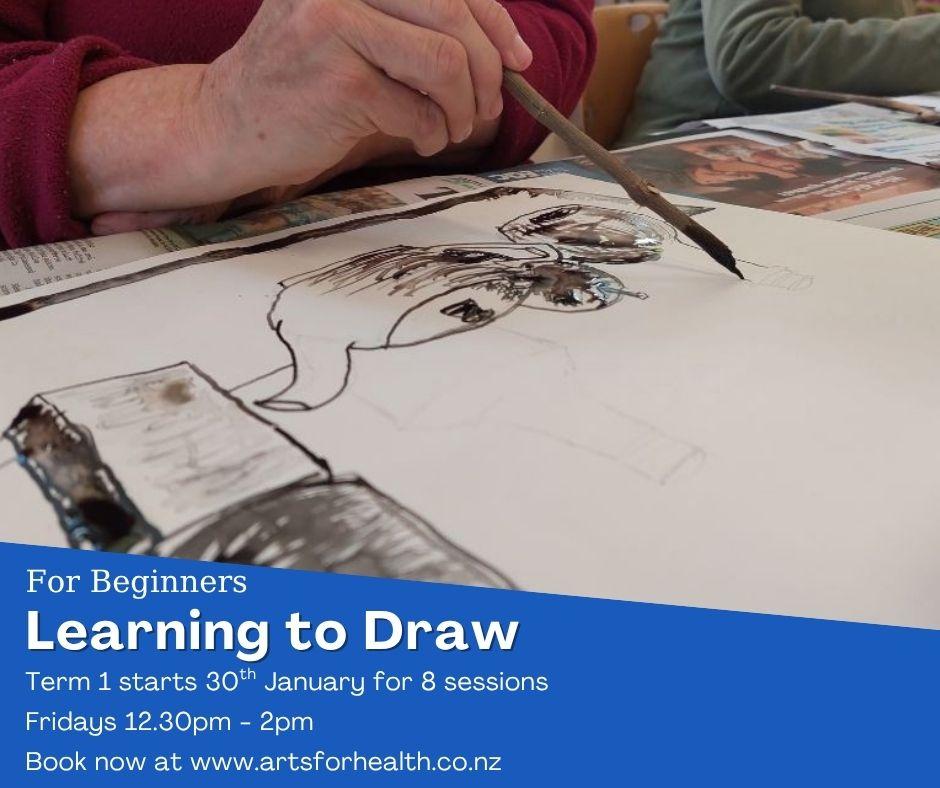
Learning to Draw
If you’ve always wanted to learn to draw but never knew where to start, this beginners drawing workshops is the perfect place to begin. Using pencil, charcoal, graphite and oil pastels, you’ll learn beginner-friendly techniques that make drawing feel simple, relaxing and achievable.
Discover how to see like an artist, create depth with shading, and express mood through line and texture. These supportive beginners drawing classes helps you to build real creative confidence while exploring different materials and styles.
Book now at - www.artsforhealth.co.nz...
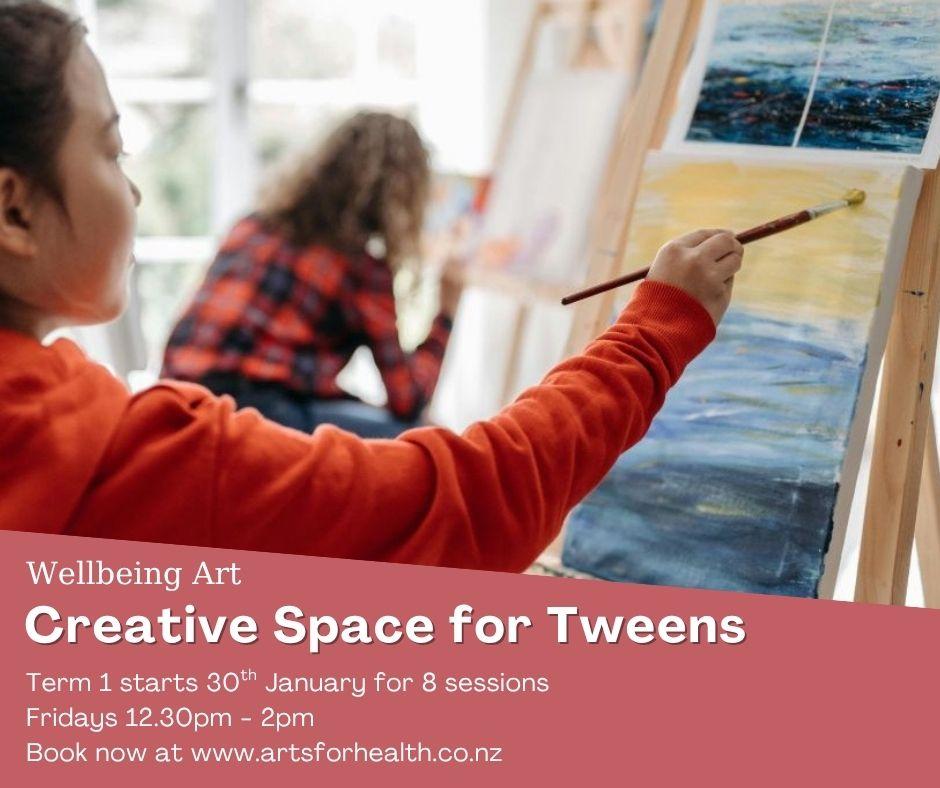
Creative Spaces for Tweens
Support your child’s growth and well being with our tweens art therapy sessions. Designed for 9–12-year-olds, including home-schooled children or those finding school challenging, these sessions provide a safe, supportive space to explore creativity, express emotions, and build confidence. Through fun, hands-on activities and guided skill-building, our tweens art therapy helps young people develop resilience, social connection, and self-expression.
Whether your child is not currently attending school or simply needs a peaceful, encouraging environment, tweens art therapy offers meaningful experiences that promote growth, friendship, and well being. Join us and help your child thrive in a welcoming, supportive space with tweens art therapy.
Book now at www.artsforhealth.co.nz...

🎉The Riddler wants to hear from you 🫵
🧩 Got a riddle that can stump your Neighbourly community? Share your brain teasers with us and watch your neighbours scratch their heads 😕🤔❓
Send us your tricky puzzles!

 Loading…