





Natures Bounty | Bast is Best
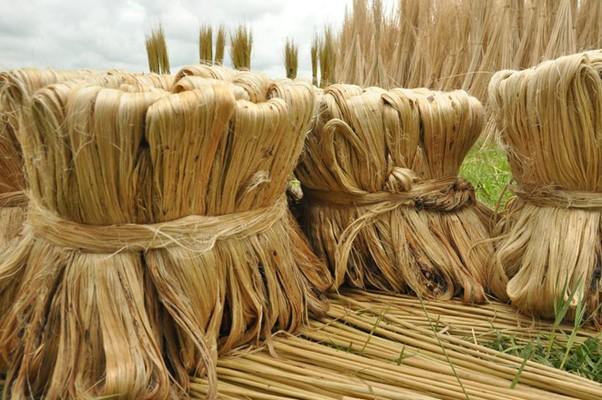
Commonly known as ‘soft’ fibres, bast fibres are the fine, flexible fibres obtained from the stems of dicotyledonous plants.
Bast fibres have been used to manufacture ropes, sacks, sails, and other industrial fabrics for hundreds of years. Commonly known as ‘soft’ fibres, bast fibres are the fine, flexible fibres obtained from the stems of dicotyledonous plants. A sustainable choice, bast fibres support regenerative agricultural practices that can help the soil sequester carbon and as a natural resource, are entirely biodegradable. In this article we will investigate four of the most utilised bast fibres: flax, hemp, ramie, and jute.
Between the epidermis (the outermost layer of cells) and the core of the plant’s stems are soft, woody fibre bundles or strands which can be over one metre long. The strands are composed of individual filaments made up of cellulose and hemicellulose cells bonded together by pectin or lignin, a cohesive gum which strengthens the stem of the plant.
During harvest the stems are cut close to the ground and the fibres are separated either through a natural decomposition process called retting (engaging moisture and bacteria to rot away the gummy cellular tissues) or by decortication (peeling the stems manually or mechanically). After retting, the fibres can be mechanically extracted through a process known as scutching.
In contrast to bast fibres, leaf fibres are obtained from the leaves of monocotyledonous plants with parallel-veined leaves, such as grasses, lilies, orchids, and palms. The long, stiff fibres of plants including abaca, cantala, Mauritius hemp, and sisal are generally used to create cordage or ropes, however, due to labour-intensive harvesting processes they are used less frequently than synthetic options.
Flax (Linen): Famously grown across northern France, Belgium, the Netherlands, and Ireland, flax is the most popular and strongest of the bast fibres. Wild flax fibres found in the Upper Palaeolithic layers of a Georgian cave indicate that humans have been crafting cords and weaving flax baskets for over 30,000 years.
Keep reading: www.curtainclean.co.nz...

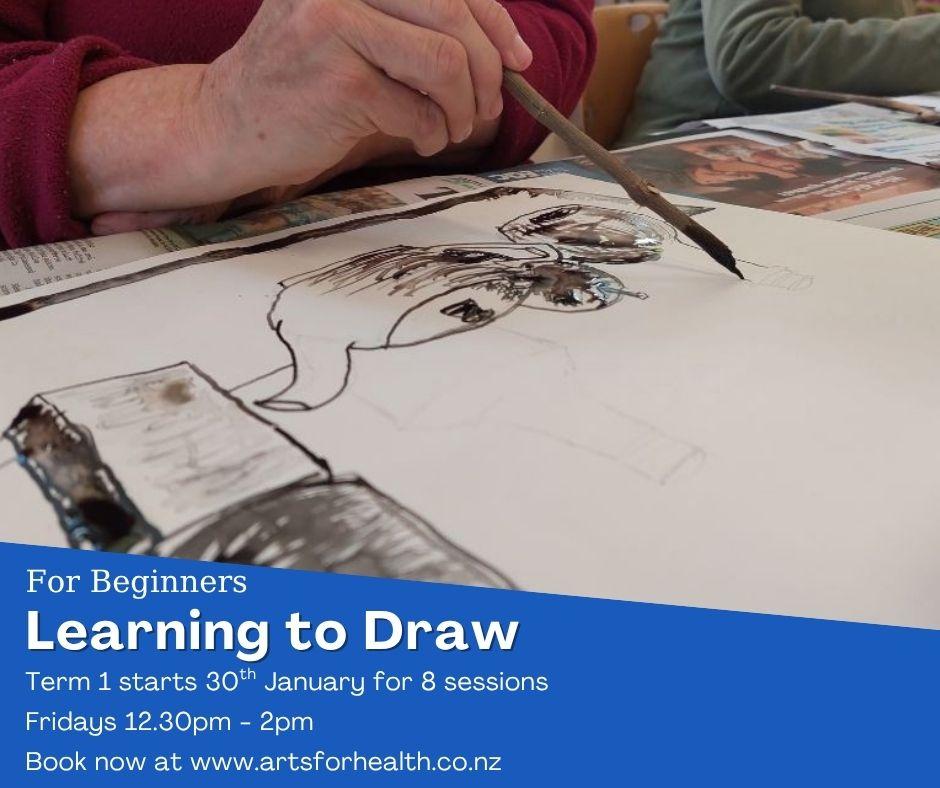
Learning to Draw
If you’ve always wanted to learn to draw but never knew where to start, this beginners drawing workshops is the perfect place to begin. Using pencil, charcoal, graphite and oil pastels, you’ll learn beginner-friendly techniques that make drawing feel simple, relaxing and achievable.
Discover how to see like an artist, create depth with shading, and express mood through line and texture. These supportive beginners drawing classes helps you to build real creative confidence while exploring different materials and styles.
Book now at - www.artsforhealth.co.nz...
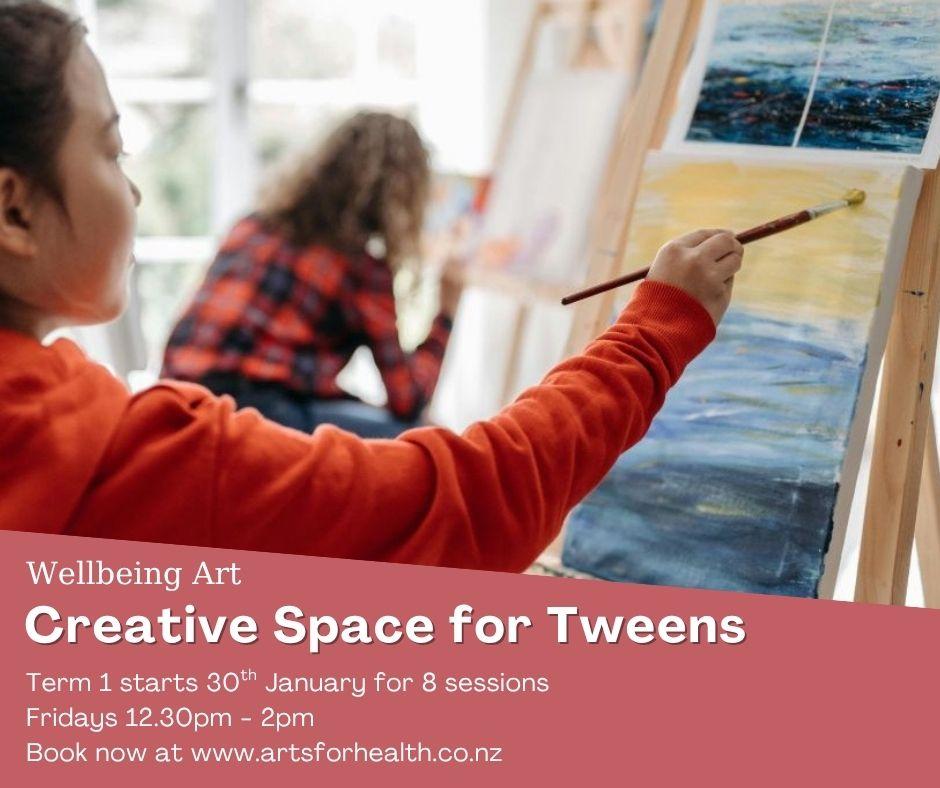
Creative Spaces for Tweens
Support your child’s growth and well being with our tweens art therapy sessions. Designed for 9–12-year-olds, including home-schooled children or those finding school challenging, these sessions provide a safe, supportive space to explore creativity, express emotions, and build confidence. Through fun, hands-on activities and guided skill-building, our tweens art therapy helps young people develop resilience, social connection, and self-expression.
Whether your child is not currently attending school or simply needs a peaceful, encouraging environment, tweens art therapy offers meaningful experiences that promote growth, friendship, and well being. Join us and help your child thrive in a welcoming, supportive space with tweens art therapy.
Book now at www.artsforhealth.co.nz...

🎉The Riddler wants to hear from you 🫵
🧩 Got a riddle that can stump your Neighbourly community? Share your brain teasers with us and watch your neighbours scratch their heads 😕🤔❓
Send us your tricky puzzles!
 Loading…