







The Green Side of Wool
We have a soft spot for sheep. For many, sheep are symbolic to New Zealand culture with the rearing of sheep being the backbone to the economy for many years.
Sheep farming was established in New Zealand by the 1850s and has played an important role in the economy ever since. For several decades wool accounted for more than a third of New Zealand’s exports by value with the sheep population peaking at just over 70 million in 1982.
This number is significant when comparing it to New Zealand’s human population. By 2020, sheep numbers dropped to 26 million, following a decline in profitability compared to other types of farming, particularly dairying.
While also farmed for their meat, today’s article focuses on sheep wool and its environmental attributes.
Wool is a natural and renewable resource and as long as our beloved sheep are eating the tasty green pastures from New Zealand farms they will always produce wool. Wool has amazing properties that make it ideal for many applications from home textiles through to incontinence underwear.
At this point in time, cotton and synthetic fibres are the most commonly used and produced fibres globally, however their performance does not come close to wool, in particular the environmental benefits.
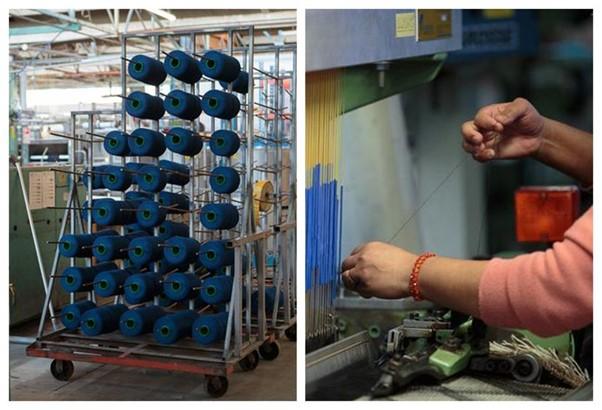
From wool to yarn: The wool clip (total yield of wool shorn during one season from the sheep) is sent to the scourers where the wool is cleaned and dried, and from there to a woollen spinner where the fibre is spun into yarn. The yarn is then sent on to the manufacturer of textile products where many different processes are involved.
The yarn is wound onto dye cones and dyed to the required colours. Next the yarn is warped onto beams. These warp beams are then threaded through the looms so that the weft yarn can run across the warp to create a woven fabric.
The fabric is then inspected and then washed and dried. Very few chemicals are used in the processing, typically only water and heat.
Keep reading: www.curtainclean.co.nz...

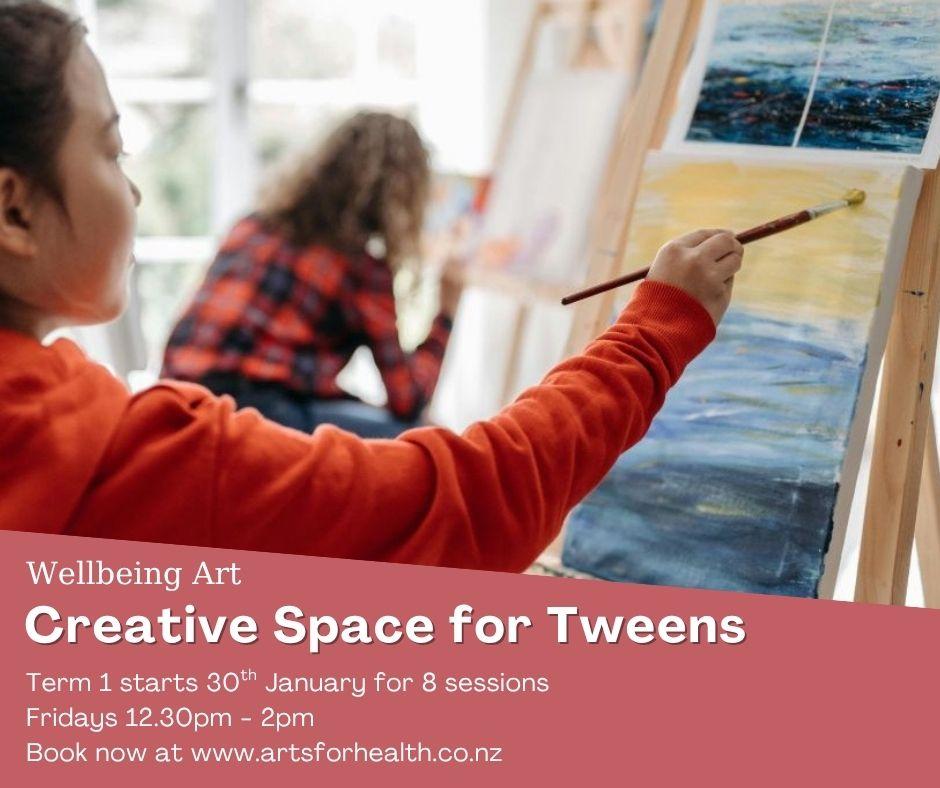
Creative Spaces for Tweens
Support your child’s growth and well being with our tweens art therapy sessions. Designed for 9–12-year-olds, including home-schooled children or those finding school challenging, these sessions provide a safe, supportive space to explore creativity, express emotions, and build confidence. Through fun, hands-on activities and guided skill-building, our tweens art therapy helps young people develop resilience, social connection, and self-expression.
Whether your child is not currently attending school or simply needs a peaceful, encouraging environment, tweens art therapy offers meaningful experiences that promote growth, friendship, and well being. Join us and help your child thrive in a welcoming, supportive space with tweens art therapy.
Book now at www.artsforhealth.co.nz...

🎉The Riddler wants to hear from you 🫵
🧩 Got a riddle that can stump your Neighbourly community? Share your brain teasers with us and watch your neighbours scratch their heads 😕🤔❓
Send us your tricky puzzles!

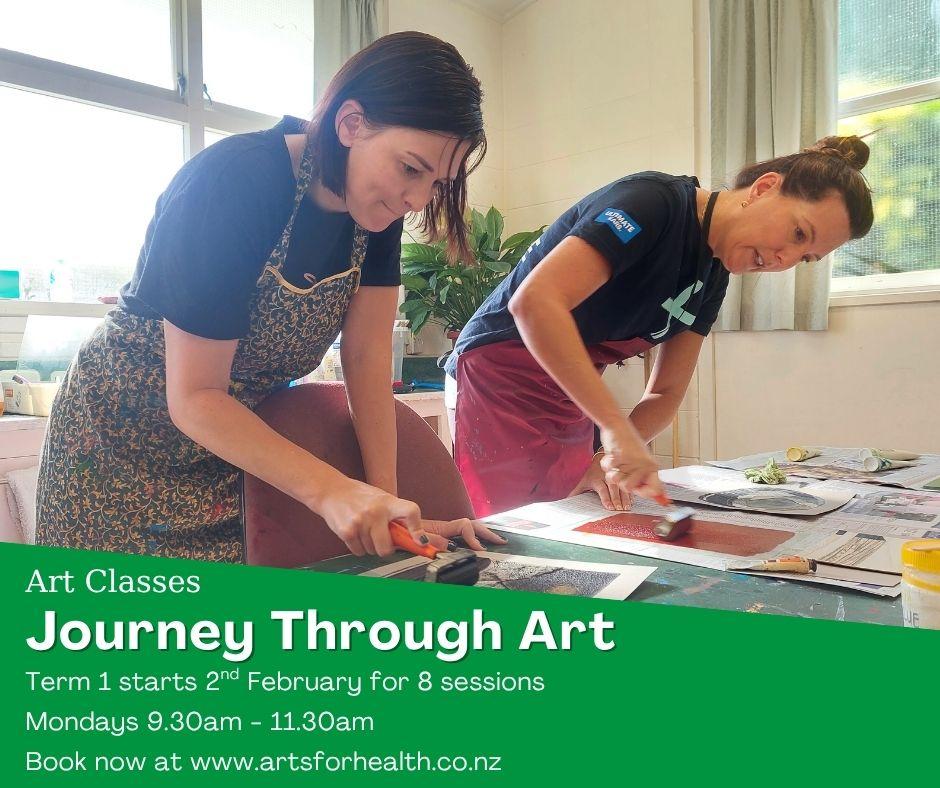
Journey Through Art
Designed for people of all abilities, including those living with disabilities, this class encourages creativity, self-expression, and the joy of making art. Whether you’re just getting started or looking for fresh inspiration, you’ll have the freedom to experiment, discover what you love, and develop your artistic style and art skills in a tutored class.
Come and explore, create amazing art, and meet new people. Support people are welcome.
Book now at - www.artsforhealth.co.nz...
 Loading…