







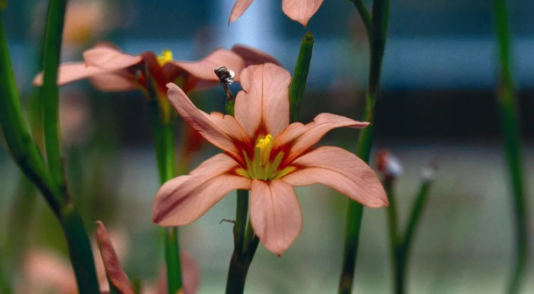
Watch out for this pretty flower
Green thumbs are being asked to watch out for a beautiful but toxic flower that could be growing in their backyards.
What you need to know:
- Every part of the plant is poisonous, and can cause gastroenteritis, thirst, paralysis, blindness, and heart and kidney failure.
- This plant is hardy and normal pest control efforts are often not enough to eradicate.
- The cape tulip, growing up to 90cm high with one strap-like leaf, was introduced to Aotearoa in the 1940s, the Ministry for Primary Industries’ manager for pest management John Sanson said. “Cape tulips, like many of these invasive weeds, are really attractive ornamental species ...but they escape over people’s backyard fences and into pasture, as these things often do,”
- It was classified as a noxious plant in the late 1970s after they were discovered to cause harm to livestock and humans, even killing animals when too much as ingested.
- The salmon-pink flowers bloom for about two days a year between June and December, and have previously been an ornamental species for keen gardeners.
Sanson urged people who believed they had the weed growing on their property to leave it untouched and contact Biosecurity New New Zealand’s Exotic Pest and Disease on 0800 80 99 66.
Once a site was confirmed, manual removal or chemical treatment would start.

Journey Through Art
Designed for people of all abilities, including those living with disabilities, this class encourages creativity, self-expression, and the joy of making art. Whether you’re just getting started or looking for fresh inspiration, you’ll have the freedom to experiment, discover what you love, and develop your artistic style and art skills in a tutored class.
Come and explore, create amazing art, and meet new people. Support people are welcome.
Book now at - www.artsforhealth.co.nz...

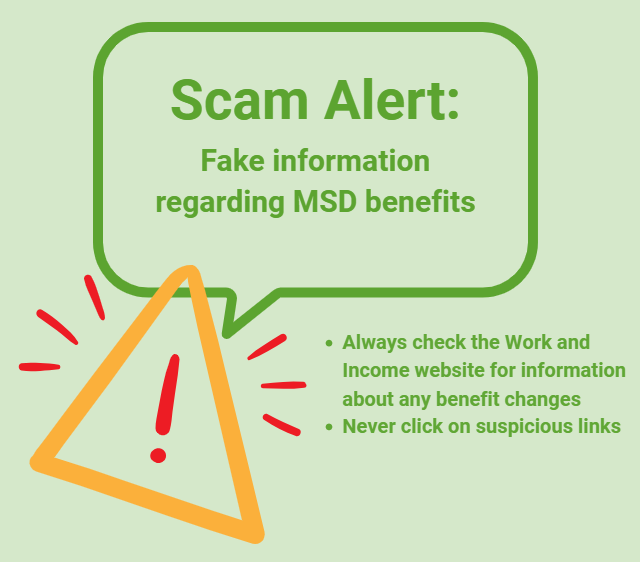
Scam Alert: Fake information regarding December Bonuses from MSD
The Ministry of Social Development is reporting that fake information is circulating about new ‘December bonuses’ or ‘benefit increases’
If you get suspicious communication, please contact Netsafe.
Poll: Do you set New Year’s resolutions?
🎉 2026 is almost here!
We’re curious ... how do you welcome it?
Do you set resolutions, follow special traditions, or just go with the flow?

-
9.9% Yes! New Year, New Me
-
20.1% Yes - but I rarely stick to them
-
70.1% Nah - not for me
 Loading…