





Ryman thanked for fundraising efforts
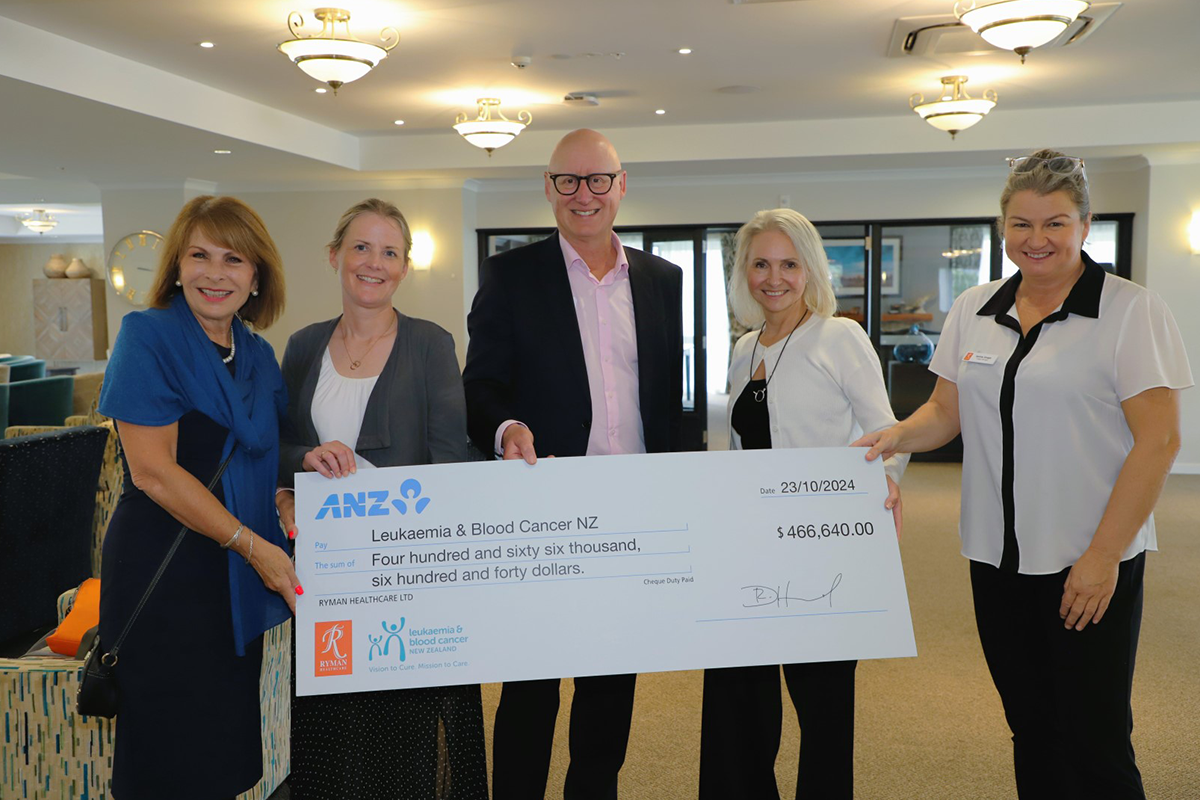
Ryman Healthcare has donated $466,640 to Leukaemia & Blood Cancer New Zealand while announcing Hato Hone St John as its new charity partner.
Ryman’s Executive Chair, Dean Hamilton, presented the cheque to the charity at a special event held at Murray Halberg Village in Auckland.
Tim Edmonds, CEO of Leukemia & Blood Cancer New Zealand, described the donation as ’vitally important’ to the work the charity does.
Click read more for the full article.

Brain Teaser of the Day 🧠✨ Can You Solve It? 🤔💬
How many balls of string does it take to reach the moon?
(Peter from Carterton kindly provided this head-scratcher ... thanks, Peter!)
Do you think you know the answer? Simply 'Like' this post and we'll post the answer in the comments below at 2pm on the day!
Want to stop seeing these in your newsfeed? No worries! Simply head here and click once on the Following button.


Poll: Are our Kiwi summer holidays helping us recharge, or holding the economy back? ☀️🥝
There’s growing debate about whether New Zealand’s extended Christmas break (and the slowdown that comes with it) affects productivity.
Tracy Watkins has weighed in ... now it’s your turn. What’s your take? 🤔
-
73.1% We work hard, we deserve a break!
-
16.8% Hmm, maybe?
-
10.2% Yes!

How to Stay Safe While Shopping Online
*Always type the website address directly into your browser rather than following links from ads or emails.
*Don’t click on links in promotional emails or texts you weren’t expecting.
*Credit cards and PayPal offer better consumer protection than direct transfers or gift cards.
*Ensure your security software is up to date to block malicious links, fake websites, and phishing attempts in real time.
*Be cautious of texts or emails claiming a missed delivery or asking for small “redelivery” fees. These often lead to fake sites designed to steal your payment details or install malware.
*Use anti-scam software to get complete protection against scams and spam.
What to Do If You Think You’ve Been Scammed
======================================
If you suspect you’ve been caught in a scam, acting quickly can reduce the damage and protect your information.
Stop all contact immediately. Don’t respond to follow-up messages or send additional payments.
Contact your bank or credit card provider. Report the transaction and ask if it can be reversed.
Change your passwords. Prioritise those linked to financial accounts and enable multi-factor authentication where possible.
Report the scam. Visit dia.govt.nz/Spam-Report-Spam to lodge a report and help authorities track emerging threats.
Monitor your accounts. Keep a close eye on bank statements and online profiles for any unusual activity.
======================================================
 Loading…