






Savvy youngsters have many financial tools at their disposal
Back in the 1970s and ‘80s, you didn’t learn if your parents didn’t teach you or you weren’t tenacious.
Findings from the third stage of Massey University’s Financial Education and Research Centre show young New Zealanders are growing in their financial capability, although young men are doing better than young women.
The study found life experience has replaced parents as the primary source of financial information.
Whether you’re 13, 30, or any other age, Money Month is a great time to get started on personal financial skills, or to brush up on them. Just don’t fall for the ‘poor me’ mentality. You have to want to learn, and here are some tools.
Educational websites
==================
Many websites and YouTube channels offer free resources and courses on financial literacy. You don’t need to be at school to use the Sortedinschools.org.nz resources, which include a range of diverse topics from “what is cryptocurrency” to “building a tiny house”.
Another New Zealand-based resource is Banqer, which has opened up its Virtual Economy Experience to adults for Money Month. Get in fast. The offer is limited to 1000 adults.
You’ll also find numerous YouTube channels dedicated to personal finance. A good local channel is MoneyHub New Zealand. Most personal finance concepts transcend borders, and there are plenty of overseas ones as well, such as The Ramsey Show. International education resources such as Investopedia or the Khan Academy’s personal finance and financial literacy sections are very good.
Personal finance tools and apps
==========================
For some people, jumping in there and just doing it is the way to learn. Tools ranging from money personality profilers to simple-to-use budgets and much in between can help with learning how to manage money while actually doing it. Sorted.org.nz has web-based tools that enable you to write a budget and more. There are multiple mobile apps for tracking expenses, setting budgets and saving money. New Zealand-based apps such as PocketSmith are very good. Some overseas ones such as Spendee and Fudget work here. Spendee, like PocketSmith, can download your bank transactions automatically. MyBudgetPal from Booster also does that. It is New Zealand-based and free. But at the time of writing, Booster was working on fixing tech problems.
Books
=====
They’re old tech, but books are still popular with young people. Bookshops are seeing a revival in this demographic. My colleague Frances Cook’s books Tales From A Financial Mess and the more recent Your Money, Your Future are good places to start. Frances made mistakes young and had to teach herself about money. She understands what digging yourself out of a financial hole looks like. The Barefoot Investor by Australian Scott Pape has a huge following among younger people. Another international book focused very much on coming of age in personal finance is Why Didn’t They Teach Me This in School? by Cary Siegel. It teaches eight important money lessons. The other book I should mention is The Sharesies Guide to Investing by Brooke and Leighton Roberts and Sonya Williams. The only reason I hesitate is that it’s important to learn to “walk”, i.e. grasp basic financial tasks, before “running”, which I define as investing beyond KiwiSaver.
Financial simulations and games
===========================
Gamification is a great way to learn. Both Sortedinschools.org.nz and Banqer offer personal finance games. If you are interested in learning about investing, then trading games, simulators and demo accounts are helpful. They allow you to lose virtual money rather than the real stuff. Investopedia and MarketWatch offer virtual portfolios that follow the actual markets, so you can watch what would have happened if you had been investing your own money instead of virtual funds. If you must dive in, then you can tinker on sites such as Sharesies with a few dollars at a time. But please don’t assume you’re going to be better at this than the experts. Sooner or later, markets fall and new investors get burned.
Finally, young people learn by making mistakes. The tools above can help, but sometimes getting it wrong is the only thing that gets through. I know it’s hard, but try not to save them when they do something dumb like spending their rent on UberEats. Or if they’ve crashed the car, make sure they pay off every last cent of that $1000 insurance excess. No matter how long it takes them. Hopefully, they won’t do that again.


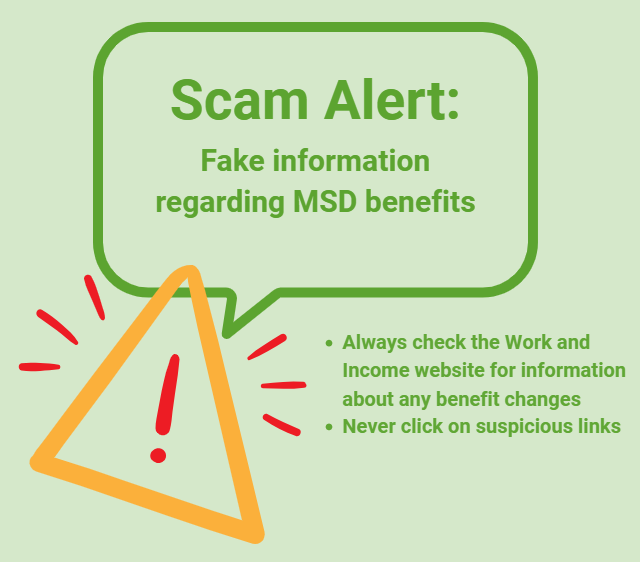
Scam Alert: Fake information regarding December Bonuses from MSD
The Ministry of Social Development is reporting that fake information is circulating about new ‘December bonuses’ or ‘benefit increases’
If you get suspicious communication, please contact Netsafe.
Poll: Are Kiwis allergic to “exuberance”? 🥝
In The Post’s opinion piece on the developments set to open across Aotearoa in 2026, John Coop suggests that, as a nation, we’re “allergic to exuberance.”
We want to know: Are we really allergic to showing our excitement?
Is it time to lean into a more optimistic view of the place we call home? As big projects take shape and new opportunities emerge, perhaps it’s worth asking whether a little more confidence (and enthusiasm!) could do us some good.
-
41.7% Yes
-
33.5% Maybe?
-
24.8% No
Tips and advice to stay street smart this summer
Summer is finally here!
Time for BBQs, holidays, Christmas, travelling and events galore.
We've put together a whole range of tips and advice so you can put your feet up and relax this summer, knowing that it's all good in your hood.
Our first piece of advice to make your neighbourhood safer this summer, is to get to know the people who live around you! People who know each other are more likely to offer, accept, and ask for help when needed.
Shop Safe - Preventing Fraud & Scams
You might find yourself making more purchases than usual at this time of year, and many of those might be online, so here's a set of tips and advice to make sure you stay safe and secure whilst doing your Christmas shopping this year. And remember to think about the security of your online shopping when it gets delivered!
Heading away this summer?
It's a busy time of year on new Zealand roads and everyone wants to get from A to B safely. It's also important that your home stays safe while you're away enjoying your 'home away from home'. We have put together a set of tips and advice to help make that happen!
Keeping your car, home and belongings safe
From recording valuable possessions to securing locks, keeping valuables hidden and informing trusted neighbours that you will be away, there are many things you can do to keep your car, home, and belongings safe. Here's a bunch of handy tips!
Party planning checklist and fire-wise tips
Whether it’s a small backyard gathering, or a big celebration for a special occasion, a little extra planning and consideration will go a long way in keeping you, your guests, and your neighbours happy. We also have some tips to make sure you and your families stay fire-wise during summer.
Get to know your neighbours - look out, reach out, help out
The most important action you can take to make your community safer is get to know the people who live around you. People who know each other are more likely to offer, accept, and ask for help when needed.
It is also important to know who to contact in an emergency and when to use the non-emergency contact for NZ Police. Learn more about Neighbourhood Support, get tips on getting to know your neighbours and the best way to contact the police below.
Strong communities start with small hellos
In terms of crime prevention, your neighbours are the best and cheapest security system you can have. You don't have to love your neighbour, but at least get their number just in case!
===================================
Have a happy, safe and connected summer!
===================================
 Loading…