




How are the minimum wage and the living wage different?
The minimum wage went up about 7% to $22.70 on April 1, while the living wage will rise by 9.9% to $26 from September 1 this year.
Both changes reflect New Zealand's high cost of living at the moment, but the two figures are set by different people and they have different impacts on different groups of Kiwis. Here's what it all means.
What is the minimum wage?
=======================
The minimum wage is a legal obligation, set by the government and reviewed each year. It applies to most employees aged 16 years or over, and it's the lowest amount an employer can pay their employee (before tax).
The Ministry of Business, Innovation and Employment estimates about 222,900 people will see their pay rise with the latest hike.
As well as the adult minimum wage, there's a starting-out minimum wage — now $18.16 — for some 16 to 19-year-old employees who haven't been with their current employer for six continuous months yet, or are still undertaking industry training. It is 80% of the adult minimum wage.
But "if an employee is supervising or training other workers, then the starting-out minimum wage doesn't apply and they must be paid at least the adult minimum wage", the Employment NZ website clarifies.
There's also a training minimum wage — also $18.16 — for certain employees, including many apprentices, who are over 20 and undergoing an approved industry training programme.
It doesn't apply to employees who are being trained at work, and again, it doesn't apply to employees supervising or training others.
Are there any exceptions to the rule?
=============================
Not everyone's pay rate is covered by the legislation that sets the minimum wage.
Migrant workers have the same minimum employment rights as Kiwi workers, but a small number of people with disabilities that affect their work are paid less than the minimum wage.
There is no minimum wage for employees under 16, while "inmates of any charitable institution (who aren't living there just because they're employees) who do any work as inmates" are also exempt, as are prisoners working while in custody.
How's the living wage different?
==========================
The living wage is an opt-in rate, released by a group called the Living Wage Movement Aotearoa New Zealand.
In their words, the living wage "means thriving, not just surviving".
It's currently $23.65, and accredited living wage employers pledge to pay at least that amount to all staff and regular contractors.
Like the minimum wage, the cost of living is a key factor in how it's calculated. It is worked out independently, using the latest data and movement in New Zealand’s average hourly earnings.
Living wage employers must meet certain criteria.
How have the two been tracking?
==========================
Both wages have been rising for years, with the current hikes coming as inflation is close to a 32-year high at 7.2%.
The minimum wage was set at just $8.50 two decades ago, from March 24, 2003.
It hit $13 on April 1, 2011, and rose steadily from there before reaching $20 for the first time on April 1, 2021.
The first living wage in New Zealand was set at $18.40 in 2013. At the time, the minimum wage was $13.75.
The living wage cleared $20 within a few years, set at $20.20 in 2017.
Since September 1 last year, it's been $23.65, and the new rate later this year will be the first time it's cleared $25.
================================================
www.1news.co.nz...
================================================


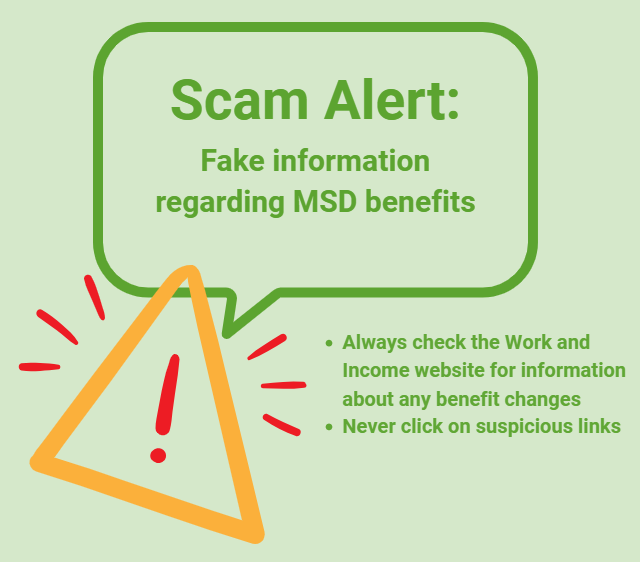
Scam Alert: Fake information regarding December Bonuses from MSD
The Ministry of Social Development is reporting that fake information is circulating about new ‘December bonuses’ or ‘benefit increases’
If you get suspicious communication, please contact Netsafe.
Poll: Are Kiwis allergic to “exuberance”? 🥝
In The Post’s opinion piece on the developments set to open across Aotearoa in 2026, John Coop suggests that, as a nation, we’re “allergic to exuberance.”
We want to know: Are we really allergic to showing our excitement?
Is it time to lean into a more optimistic view of the place we call home? As big projects take shape and new opportunities emerge, perhaps it’s worth asking whether a little more confidence (and enthusiasm!) could do us some good.
-
41.5% Yes
-
33.7% Maybe?
-
24.8% No
Tips and advice to stay street smart this summer
Summer is finally here!
Time for BBQs, holidays, Christmas, travelling and events galore.
We've put together a whole range of tips and advice so you can put your feet up and relax this summer, knowing that it's all good in your hood.
Our first piece of advice to make your neighbourhood safer this summer, is to get to know the people who live around you! People who know each other are more likely to offer, accept, and ask for help when needed.
Shop Safe - Preventing Fraud & Scams
You might find yourself making more purchases than usual at this time of year, and many of those might be online, so here's a set of tips and advice to make sure you stay safe and secure whilst doing your Christmas shopping this year. And remember to think about the security of your online shopping when it gets delivered!
Heading away this summer?
It's a busy time of year on new Zealand roads and everyone wants to get from A to B safely. It's also important that your home stays safe while you're away enjoying your 'home away from home'. We have put together a set of tips and advice to help make that happen!
Keeping your car, home and belongings safe
From recording valuable possessions to securing locks, keeping valuables hidden and informing trusted neighbours that you will be away, there are many things you can do to keep your car, home, and belongings safe. Here's a bunch of handy tips!
Party planning checklist and fire-wise tips
Whether it’s a small backyard gathering, or a big celebration for a special occasion, a little extra planning and consideration will go a long way in keeping you, your guests, and your neighbours happy. We also have some tips to make sure you and your families stay fire-wise during summer.
Get to know your neighbours - look out, reach out, help out
The most important action you can take to make your community safer is get to know the people who live around you. People who know each other are more likely to offer, accept, and ask for help when needed.
It is also important to know who to contact in an emergency and when to use the non-emergency contact for NZ Police. Learn more about Neighbourhood Support, get tips on getting to know your neighbours and the best way to contact the police below.
Strong communities start with small hellos
In terms of crime prevention, your neighbours are the best and cheapest security system you can have. You don't have to love your neighbour, but at least get their number just in case!
===================================
Have a happy, safe and connected summer!
===================================
 Loading…