






What you need to know about today’s nurses strike
What’s happening?
Nurses are going on strike TODAY.
============================
About 36,000 nurses, midwives and healthcare assistants will be off the job from 9am Wednesday to 9am Thursday.
Last-ditch negotiations on Monday failed to reach an agreement.
There will be pickets and marches throughout the country.
Why are nurses striking?
===================
Nurses are concerned about staffing levels and safety.
The latest pay offer was also dismissed as a “massive backward step”.
Health NZ is offering a 3% pay rise over 27 months, plus two lump sum payments of $325.
The counter-offer from the New Zealand Nurses Organisation (NZO) seeks a 5% pay rise over two years, along with $2000 flat rate increases for senior positions. The union also seeks to restore a Tikanga Māori allowance.
“The average salary for both senior and registered nurses, including overtime, professional development recognition programme allowance, and penal rates, is $125,662,” Health NZ said.
“We believe the offer we have made to the union is a fair one given our current financial constraints.”
NZNO chief executive Paul Goulter said: “Members also need a wage offer that enables them to meet the rising cost of living without them and their whānau going backwards financially for the important mahi they do.”
In a statement, Health NZ said: “We are disappointed that the New Zealand Nurses Organisation is taking strike action when there is a fair offer on the table.
“We are concerned about the impact strike action will have on patients who are waiting for planned care.”
Safe staffing tops nurse priorities
===========================
Goulter said the latest offer from Health NZ ignores concerns about safe staffing.
“Patients are at risk because of short staffing. Nurses, midwives and healthcare assistants are stretched too thin and can’t give patients the care they need. This is heartbreaking for our exhausted members who became healthcare workers because they want to help people.”
A safe staffing agreement was dropped from negotiations with Health NZ.
Figures obtained by NZNO from Health NZ show surgical hospital wards were short-staffed more than half of all day shifts last year.
Health NZ said in its statement it seeks to keep nurses and patients safe.
“While we are aware of NZNO’s commentary in recent weeks we would like to reassure New Zealanders that Health NZ is completely committed to safe staffing.
“For us, safe staffing in a busy hospital environment includes the skills mix of the staff, the way care is provided, strong clinical judgment, flexibility and thoughtful decision making from our experienced leaders on the frontline. We take responsibility for operational and patient safety decisions seriously as we are accountable for the safety of patients who access our services.”
Goulter said the key issue was making sure there was enough staff to “ensure patient safety”, which was “foremost in the minds of our members” during negotiations.
“While, obviously, there’s a wage element, we’re trying to do our best to ensure we get staffing that’s appropriate to meet what patients need and we seem to have come up short on that,” he told RNZ.
Negotiations began last October but the union said bargaining had stalled over “big ticket items” centred on public safety.
Nurses also walked off the job for eight hours in strike action in December.
“We are striking because patient safety is at risk every day due to chronic understaffing and under-resourcing,” Wellington nurse Hilary Gardner said.
“We simply don’t have enough nurses to provide the level of care our patients need and deserve. It’s not safe and it’s not fair – for patients, their whānau, or the staff trying to care for them. We’ve raised concerns time and time again, but nothing changes. So now we’re taking action to stand up for safer care.”
What happens if I need medical help
=============================
Acute and emergency services will still be provided, including maternity care, intensive care, ambulance services and emergency departments. Patients already in hospital will still receive ongoing care.
“The public can be reassured that we have an agreement with NZNO for life-preserving services support throughout the strike and our hospitals and emergency departments will remain open,” Health NZ chief executive Dr Dale Bramley said.
“To maintain patient safety, most clinics will be closed. However, if you have a hospital appointment, please come to your appointment unless we have contacted you directly to reschedule.”
However, most appointments for the strike days will be rescheduled.
“It is estimated that 4300 planned procedures and specialist appointments would have to be postponed should the 24-hour strike action on July 30 and 31 go ahead,” Bramley said.
Aged residential care, St John Ambulance, GPs and hospice services are not affected by the strike and will operate as normal.
Anyone unsure about whether they need emergency department care should contact their GP or call Healthline 0800 611 116 for free advice.
What’s next?
==========
The union does not rule out further action if its concerns aren’t addressed, Goulter said.
“Our members have indicated this strike is just the beginning and they are in it for the long haul.
“Our members don’t take this action lightly. They are striking because they are exasperated with being short-staffed and their patients being put at risk because Te Whatu Ora refuses to resource safe staffing levels and instead staffs to an arbitrary budget set by the Government.
“The public know that when there aren’t enough nurses, patients wait longer to get the care they need. Critical observations and treatments may be delayed, errors are more likely and health outcomes worsen. A lack of nurses has reduced numbers of elective surgeries for years and contributed to longer waiting times and the current backlog.
“Any member of the public who has been to a hospital recently knows the reality for patients and the nurses, midwives, healthcare assistants and kaimahi hauora who care for them.”
====================================================

Scam Alert: Fake information regarding December Bonuses from MSD
The Ministry of Social Development is reporting that fake information is circulating about new ‘December bonuses’ or ‘benefit increases’
If you get suspicious communication, please contact Netsafe.
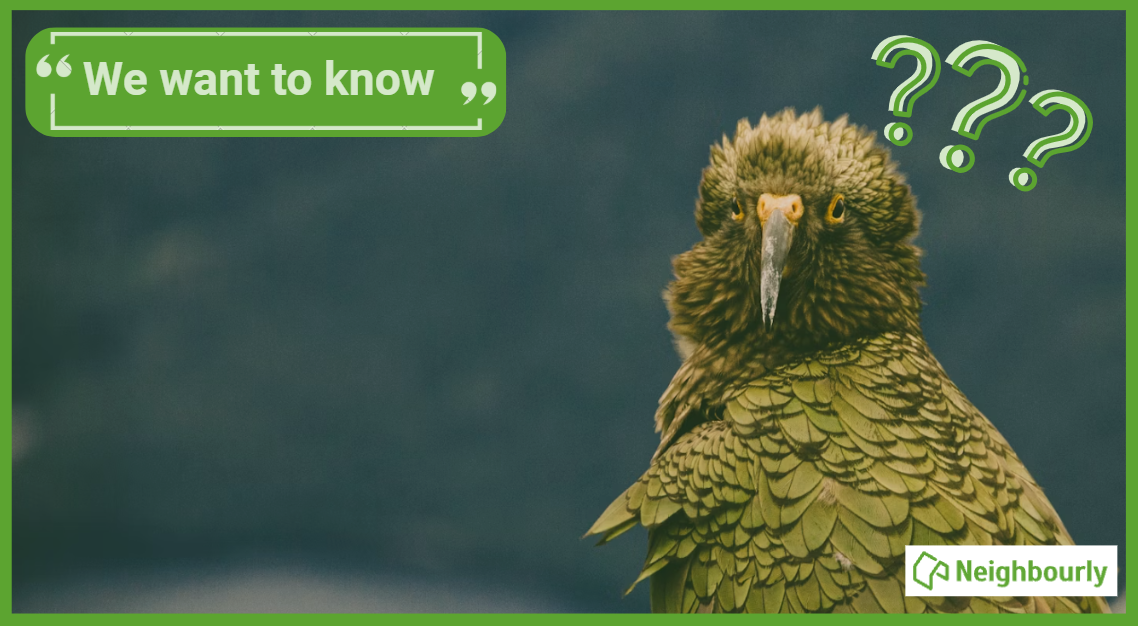
Poll: Are Kiwis allergic to “exuberance”? 🥝
In The Post’s opinion piece on the developments set to open across Aotearoa in 2026, John Coop suggests that, as a nation, we’re “allergic to exuberance.”
We want to know: Are we really allergic to showing our excitement?
Is it time to lean into a more optimistic view of the place we call home? As big projects take shape and new opportunities emerge, perhaps it’s worth asking whether a little more confidence (and enthusiasm!) could do us some good.
-
41.5% Yes
-
33.6% Maybe?
-
24.9% No
Tips and advice to stay street smart this summer
Summer is finally here!
Time for BBQs, holidays, Christmas, travelling and events galore.
We've put together a whole range of tips and advice so you can put your feet up and relax this summer, knowing that it's all good in your hood.
Our first piece of advice to make your neighbourhood safer this summer, is to get to know the people who live around you! People who know each other are more likely to offer, accept, and ask for help when needed.
Shop Safe - Preventing Fraud & Scams
You might find yourself making more purchases than usual at this time of year, and many of those might be online, so here's a set of tips and advice to make sure you stay safe and secure whilst doing your Christmas shopping this year. And remember to think about the security of your online shopping when it gets delivered!
Heading away this summer?
It's a busy time of year on new Zealand roads and everyone wants to get from A to B safely. It's also important that your home stays safe while you're away enjoying your 'home away from home'. We have put together a set of tips and advice to help make that happen!
Keeping your car, home and belongings safe
From recording valuable possessions to securing locks, keeping valuables hidden and informing trusted neighbours that you will be away, there are many things you can do to keep your car, home, and belongings safe. Here's a bunch of handy tips!
Party planning checklist and fire-wise tips
Whether it’s a small backyard gathering, or a big celebration for a special occasion, a little extra planning and consideration will go a long way in keeping you, your guests, and your neighbours happy. We also have some tips to make sure you and your families stay fire-wise during summer.
Get to know your neighbours - look out, reach out, help out
The most important action you can take to make your community safer is get to know the people who live around you. People who know each other are more likely to offer, accept, and ask for help when needed.
It is also important to know who to contact in an emergency and when to use the non-emergency contact for NZ Police. Learn more about Neighbourhood Support, get tips on getting to know your neighbours and the best way to contact the police below.
Strong communities start with small hellos
In terms of crime prevention, your neighbours are the best and cheapest security system you can have. You don't have to love your neighbour, but at least get their number just in case!
===================================
Have a happy, safe and connected summer!
===================================
 Loading…