




How to write emails that don't trigger rage and frustration
Just start with a hello, and say hope you’re well. There’s nothing gentle about gentle reminders. And the email never finds you well. Nothing annoys working professionals more than emails with vague flatteries, unnecessary niceties or even passive-aggressive follow ups. “As per my last email…” is a sure way for your email to be left on hold.
There are several ‘Dos and Don’t’s’ when writing a professional email. “Emails can be irritating. First of all, you can’t see the person. Often, you might not know the person. So, it’s already very hard to connect with someone you can’t see or don’t even know. So a lot depends on the tone of the email, and how they explain the context,”.
Remember, a working professional is already swamped with a million emails a day; a vague, generic, aggressive or meaningless one filled with false niceties will either elicit an angry, irritated response, or just be left unread. Or, possibly, sent to trash.
Emails can be irritating. A lot depends on the tone of the person in the email and how they explain the context. They need to be empathetic to connect with the other person. For example, they can start an email by saying I know you must be busy...
Skip the dears, dearests and dearie
“No one’s so dear to you, you aren’t writing to your grandmother,” “I’ve deleted emails from people who addressed me as dearest,”. She has been called dearie too, much to her shock. “I’ve had to remind people to not address me like that,”.
So, avoid the over-familiarity. No one’s your lovely, dear or honey at work. “I can’t stand over-familiarity from people that I do not know,”, an American freelancing writer. “I dislike it when strangers write emails addressing me as ‘lovely’. It’s like ‘Hey lovely, thought I will check in…’ and the email is followed by some irrelevant announcement,” Be professional, friendly, but without going overboard.
Be specific in your subject line
For all you know, your recipient might be subjected to a flood of emails a day. They don’t have time to read each email. They’ll probably just look at the subject and see if it’s worth their time. If they don’t find it so, it usually remains unread or goes to trash. So keep the subject line short, Get to the point. Many people won’t have the patience to read an email with a blank subject or something vague or generic. “I wouldn’t read an email with the subject ‘just checking in’ or ‘greetings’. So, keep your subject short; let it capture the essence of your email, like a headline," Otherwise, you and your email are ignored.
The email never finds you well
Yes, we know the emails that begin with this line: ‘Hope this email finds you well.’ “It does not sound sincere. The first thing that comes to mind when reading it is, ‘Okay, what do you want?” which focuses on leadership content strategies. “It sounds rather clichéd, as if you really don’t care what’s happening with them, but you’re just determined to get your work done,” Just say hello, and hope you're well.
Skip the slang
Don’t wander and confuse the reader. “You don’t have to begin with a chatty, over-friendly conversation before getting into the conversation, especially if you have emailed them several times a day,” “Skip the slang, excessive punctuation and emoticons,”
A little empathy doesn’t hurt
Emails can be a frustrating form of communication for various reasons, one being that you can’t see the person. “You need to show a little empathy in your emails, so that they can at least have a sense of your tone and mood,” If you know they’re busy, you can use words like ‘I know you must be busy’… and give them clear context, of what you need. Keep it short, simple and basic, and that’s the best way to not annoy someone.
In this form of written communication, you need to establish some form of trust with the other person, he says.
“Always think, how would I feel when reading this,”
There’s no point following up on a previous email, when the other person doesn’t remember what you’re following up on.
Explain your request again, so that the person doesn’t have to sift through a long email thread and see what you’re referring to. “If that person didn’t respond to your email the first time, resending the same message is probably not going to get better results the second time.”
Avoid being pushy and passive-aggressive: No gentle reminders
Don’t mark your emails with ‘URGENT’ (in upper case mind you), when you know, it isn’t urgent. Moreover, don’t do it just in the hope that you are capturing someone’s attention. “I’ve received emails from people saying, ‘Hey, I haven’t heard from you for a week, so I guess you’re not interested. Well, in case you are, let me know’,” “Such emails just trigger you into a rage, or you just delete them and never respond,”
Also, avoid ‘gentle’ reminders. There’s no such thing as a gentle reminder. “Everyone knows that a reminder is a call to action. Adding gentle to it, just sounds more passive-aggressive and leaves the other person aggravated,”“In terms of tone of voice, always be warm and approachable – not cold, impersonal, and definitely not patronising or passive-aggressive,”.
Think before you ‘cc’
“The point of cc’ing someone is that they’re kept in the loop. That person already has context. If they don’t, then don’t cc them. It’s simple. There’s no prize for the number of people you can stuff into an email. Put yourself in their shoes, how would you like being copied in an email that’s completely out of the blue? Exactly,”.
Don’t copy others on an email when there’s no need
Moreover, don’t email several people in the hope that they will forward it to the person who is supposed to receive the email. This is considering the scenario that the person hasn’t responded. In all probability, they will email the same person and filled their inbox with the same email. Nothing annoys a person more.
===================================================

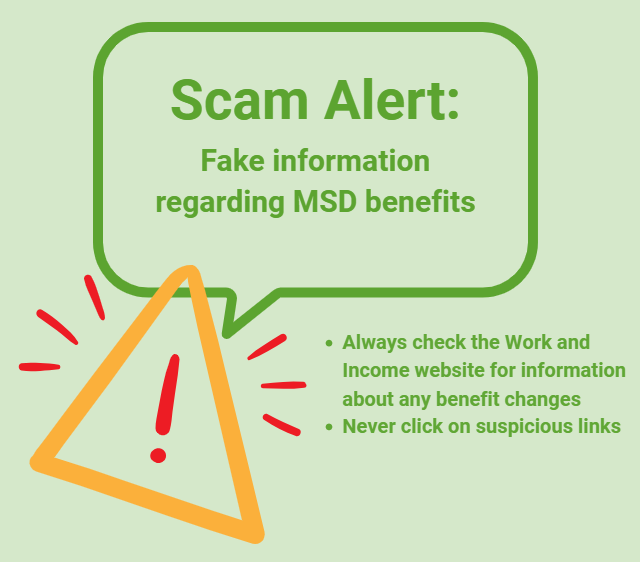
Scam Alert: Fake information regarding December Bonuses from MSD
The Ministry of Social Development is reporting that fake information is circulating about new ‘December bonuses’ or ‘benefit increases’
If you get suspicious communication, please contact Netsafe.
Poll: Are Kiwis allergic to “exuberance”? 🥝
In The Post’s opinion piece on the developments set to open across Aotearoa in 2026, John Coop suggests that, as a nation, we’re “allergic to exuberance.”
We want to know: Are we really allergic to showing our excitement?
Is it time to lean into a more optimistic view of the place we call home? As big projects take shape and new opportunities emerge, perhaps it’s worth asking whether a little more confidence (and enthusiasm!) could do us some good.
-
41.8% Yes
-
33.5% Maybe?
-
24.7% No
Tips and advice to stay street smart this summer
Summer is finally here!
Time for BBQs, holidays, Christmas, travelling and events galore.
We've put together a whole range of tips and advice so you can put your feet up and relax this summer, knowing that it's all good in your hood.
Our first piece of advice to make your neighbourhood safer this summer, is to get to know the people who live around you! People who know each other are more likely to offer, accept, and ask for help when needed.
Shop Safe - Preventing Fraud & Scams
You might find yourself making more purchases than usual at this time of year, and many of those might be online, so here's a set of tips and advice to make sure you stay safe and secure whilst doing your Christmas shopping this year. And remember to think about the security of your online shopping when it gets delivered!
Heading away this summer?
It's a busy time of year on new Zealand roads and everyone wants to get from A to B safely. It's also important that your home stays safe while you're away enjoying your 'home away from home'. We have put together a set of tips and advice to help make that happen!
Keeping your car, home and belongings safe
From recording valuable possessions to securing locks, keeping valuables hidden and informing trusted neighbours that you will be away, there are many things you can do to keep your car, home, and belongings safe. Here's a bunch of handy tips!
Party planning checklist and fire-wise tips
Whether it’s a small backyard gathering, or a big celebration for a special occasion, a little extra planning and consideration will go a long way in keeping you, your guests, and your neighbours happy. We also have some tips to make sure you and your families stay fire-wise during summer.
Get to know your neighbours - look out, reach out, help out
The most important action you can take to make your community safer is get to know the people who live around you. People who know each other are more likely to offer, accept, and ask for help when needed.
It is also important to know who to contact in an emergency and when to use the non-emergency contact for NZ Police. Learn more about Neighbourhood Support, get tips on getting to know your neighbours and the best way to contact the police below.
Strong communities start with small hellos
In terms of crime prevention, your neighbours are the best and cheapest security system you can have. You don't have to love your neighbour, but at least get their number just in case!
===================================
Have a happy, safe and connected summer!
===================================
 Loading…