






WARNING! Herbicide spraying in Centennial Park Bush
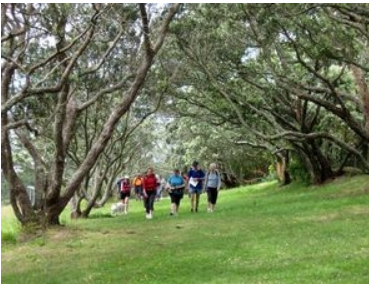
On Thursday I took the 4 grandchildren for a walk through the Centennial Bush only to find a notice at the lower entrance that Council were Spraying with Herbicides!!!!! We left quickly .. I do not wish to have my Grandchildren exposed to dangerous Herbicides!!!
Why are the Council spraying within this beautiful park and native bush.... the only place we can go for some relief from the "soup" of pollution out in the world we live in!!
I thought this was a safe sanctuary to go to help our bodies breathe in the fresh oxygen and lovely energy from all the trees and enjoy the bird song!!
Surely the council could arrange and pay for people to constantly go through the bush weeding and clearing!!.
And the Council in its wisdom decides to spray during school holidays when families are out and about in our neighbourhoods!
How long does this poison lay around and poison our dogs and children??? This is insane to spray in this beautiful park and bush.
Info on Herbicides. When inhaled, many herbicides can cause serious damage and irritation to the respiratory tract. The nose, throat, lungs and sinuses may be affected, causing either temporary symptoms or permanent structural damage. www.bing.com...
The Dangers of Herbicides
The dangers of these chemicals can be far reaching beyond any acute symptoms of initial exposure. Unfortunately, the price paid to eliminate undesirable plant-life can come at the cost of your health. It may take years of exposure to these chemicals before you develop symptoms but when these symptoms manifest, they can be devastating.
Toxic herbicides can cause damage to your reproductive system, nervous system, increase your risk of cancer, and irreparably harm your liver and kidneys. Because these effects are not always immediate and the symptoms themselves aren’t noticed until there is great damage done, the dangers of herbicides should not be dismissed lightly.
These chemicals can also affect the health of your unborn child, increasing risks of miscarriage and birth defects. darbi.org...
Herbicides are used to kill weeds and other undesirable plants. There are many different types of herbicides, all of which can be dangerous to humans or the environment if used irresponsibly. Paraquat, atrazine and Agent Orange are among the most well-known herbicides, but there are many others. Herbicides may cause harm by acute poisoning or long-term, cumulative exposure, with side effects ranging from mild to deadly. Understanding the side effects of herbicides can help to prevent unnecessary harm if you are exposed to these substances. >From healthfully.com...
When are we going to learn to stop putting poisons into the atmosphere and into the earth!! Exposure to herbicides are not as harmless as the producers of these chemicals would like you to believe. Some of the most commonly used ingredients in herbicides have been linked to significant health risks.
Take care all.

Some Choice News!
Many New Zealand gardens aren’t seeing as many monarch butterflies fluttering around their swan plants and flower beds these days — the hungry Asian paper wasp has been taking its toll.
Thanks to people like Alan Baldick, who’s made it his mission to protect the monarch, his neighbours still get to enjoy these beautiful butterflies in their own backyards.
Thinking about planting something to invite more butterflies, bees, and birds into your garden?
Thanks for your mahi, Alan! We hope this brings a smile!


Neighbourhood Challenge: Who Can Crack This One? ⛓️💥❔
What has a head but no brain?
Do you think you know the answer? Simply 'Like' this post if you know the answer and the big reveal will be posted in the comments at 2pm on the day!
Want to stop seeing these in your newsfeed?
Head here and hover on the Following button on the top right of the page (and it will show Unfollow) and then click it. If it is giving you the option to Follow, then you've successfully unfollowed the Riddles page.

Home made bread problem
Is anyone else having trouble with bread dough not rising properly?
I used to be able to turn out a decent loaf but now the bread is half the height - if that - and very dense.
I've used 4 different brands of yeast including the type bakers use to no avail. I've changed the flour to the best available and I've followed the recipe meticulously.
It can only be the flour?
What do you think?
 Loading…