





5 expert tips on selling your home
First impressions count and looks matter whether we like to admit it or not. Home staging not only helps to sell your home faster but also attracts more buyers that are willing to put an offer on the table.
Here’s how the experts present their homes before entering the market:
1. Keep it clean and crisp
Remember your mum telling you to tidy your room? Well those days have spent as you need to create a home that is clean and neutral. The goal of home staging is to get buyers to mentally move in when they visit, but that’s difficult if it’s full of all your own stuff. Take the time to remove family photos and other personal items from your home too, as these can distract viewers from what your home really has to offer.
Be ruthless!
2. Create points of interest
A perfectly placed piece of furniture, plant or artwork in a hallway, awkward corner or at the top of a set of stairs can create a point of visual interest and encourage visitors to investigate further.
Points of interest are a great tool to add symmetry and balance to each room, it’s about showing the viewer the potential of the home and helping them visualise what it can be.
3. Balance is good
Studies have shown that humans find symmetrical and balanced arrangements more aesthetically pleasing—from art to faces and food—and yes, even how we arrange our furniture. Move your lounge furniture away from the walls and pair up movable furniture, such as your chairs, lamps, and side tables. If something doesn’t match try pairing it with something of similar size to balance the room out.
4. Each room needs a signature
Every room has its own distinct feature. It could be a fireplace, a different coloured wall, a piece of furniture, a window, or an artwork or mirror. Once you’ve found your feature, celebrate it and emphasise it.
5. Know your audience
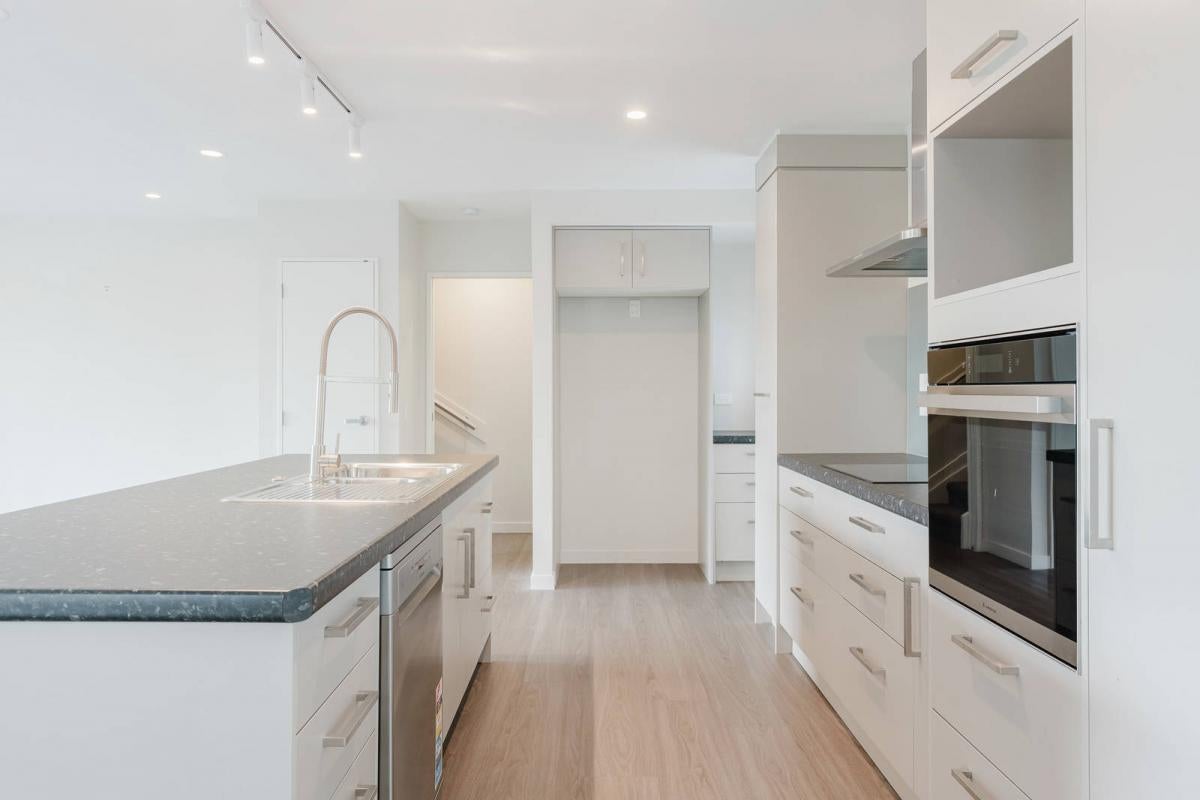
Every good entertainer knows what their audience wants and how to give it to them. Think about the features that will help buyers to visualise the lifestyle they might lead in your home. A table and chairs for a family on the deck, a secluded reading chair in the sun, or a minimalist kitchen can all help sell a viewer on a different lifestyle—it’s important to understand what buyers are looking for and how they see themselves in your home which could soon be theirs.
Remember, think about your location and it’s context. Is it mostly families, working professionals, students or seniors? Use that information to guide your staging decisions. If you’re struggling for ideas a estate agent can always help with this.
Click here if you want to find out more or download a free eBook on this topic.


Police apologise to rest home alleged theft victim after failing to act
Police have apologised to a pensioner who caught a carer-turned-crook allegedly stealing cash, admitting there was more they could have done.
The about-face comes after the Waikato Times revealed the plight of rest home resident Lisa Allen, who set up a hidden-camera, capturing footage that appeared to show the caregiver opening her handbag and taking out a $50 note while the room was unattended.


Today’s Mind-Bender is the Last of the Year! Can You Guess It Before Everyone Else? 🌟🎁🌲
I dance in the sky with green and gold, a spectacle few are lucky to behold; I’m best seen in the south, a celestial sight—what am I, lighting up the New Zealand night?
Do you think you know the answer? Simply 'Like' this post and we'll post the answer in the comments below at 2pm on the day!
Want to stop seeing these in your newsfeed? No worries! Simply head here and click once on the Following button.

Scamwatch: How to recognise, avoid and act against scams.
A scam or a fraud is any scheme designed to con you out of money or steal your personal information. If someone contacts you unexpectedly – whether over the phone, through the post, by email, on a website, in person or on social media – always consider the possibility that it may be a scam.
Scammers target lots of people, often for small amounts of money. They constantly evolve their approach making scams harder to spot. Most scams come from overseas, but they may pretend to be locally based — from a reputable company, bank, or government agency, or even from your friends on social media if your account has been hacked. It is very difficult to get your money back once it is sent overseas.
Scams hurt us all. You can protect yourself and others by learning how to spot scams, share what you see and report them.
Figure out if you are being scammed: Use these questions to help figure out if you have been targeted by a scammer.
Article compiled from information kindly supplied by ConsumerProtection.govt.nz
Q&A regarding Neighbourly data breach
 Loading…