Know what’s happening
Access the private noticeboard for verified neighbours near you. Keep informed about any suspicious activity, send urgent updates to your neighbours when required and discuss emergency planning.
Get to know your neighbours
Browse the directory and start getting to know your neighbours. Don’t want to post to the whole neighbourhood? Send a private message.
Buy, sell and give away
Want to declutter your garage? Buy some used household items? Give away some garden stuff? Become a verified neighbour to browse and post items for sale. Trading is simple when everyone lives nearby.






Thank you for using Neighbourly
You may receive an email confirmation for any offer you selected. The associated companies will contact you directly to activate your requests.

The Team from Ryman Healthcare
Ryman villages across the country are open every Wednesday in October and November.
Experience the Ryman lifestyle and learn about our living options, tour our showhomes and discover the wonderful amenities on offer.
Click find out more for more information.
Find out more


Nicole Mathewson Reporter from The Press
By local democracy reporter Lois Williams:
The costs of creating a combined District Plan for the West Coast are soaring as the process moves into the hearings stage.
Councils, iwi and planners have been working since 2019 on Te Tai o Poutini Plan, one document to cover the planning rules for… View moreBy local democracy reporter Lois Williams:
The costs of creating a combined District Plan for the West Coast are soaring as the process moves into the hearings stage.
Councils, iwi and planners have been working since 2019 on Te Tai o Poutini Plan, one document to cover the planning rules for all three district councils – Buller, Grey and Westland.
The job has been managed and funded by the West Coast Regional Council, and so far it has cost ratepayers $2.6 million - close to half a million dollars a year. West Coast Regional Council has funded most of the remainder by borrowing about $2.5m.
Project manager Jo Armstrong gave the TTPP committee a heads-up this month that expenses are about to rise sharply.
“It is anticipated that the hearing commissioner budget will produce a sizeable overspend by the end of the financial year,” Armstrong reported.
In the first two months of the financial year, the council paid out $200,601 to the four Hearing Commissioners, and $219,057 to consultant planners and contractors.
Almost two-thirds of the annual budget for consultant and contractors had already been used, Armstrong said.
“This expenditure is necessary and not unexpected,” she told the committee.
“Up until now we have met all our budgets, with no unexpected additional borrowing - but last financial year was the first of a larger amount of spending due to the hearings process.”
The planning team had to pull in additional resources for the hearings, contracting out related work, including writing reports and giving expert evidence.
“So expenses for this year and last year are up."
The commissioners themselves were working tirelessly, making site visits from one end of the Coast to the other to inform themselves about the places referred to in the proposed plan, Armstrong said.
“They are brilliant – thoughtful, intelligent - they understand what’s happening on the West Coast and what it is we’re trying to achieve.”
Armstrong said at this stage of the plan project it was useful to recap how it came about and how it was funded.
In 2018, after a petition from Westland ratepayers, the Local Government Commission held an inquiry into the Coast’s three-district council set-up.
It ruled out amalgamation but said the three councils should share one District Plan, and in 2019 that was ordained by the Government.
It also established the TTPP Committee and its membership, set up the Technical Advisory Team (planners), and decreed that the Plan project would be funded by a Regional rate.
That amounted to a ‘hospital pass’, WCRC chairperson Peter Haddock commented, at the TTPP meeting.
But Grey mayor Tania Gibson challenged that - the regional council leadership at the time had lobbied hard to be in control of the plan project.
The Westland and regional councils each put in $25,000 towards costs in the first year.
Grey and Buller councils did not contribute - saying the regional rate was the correct way to fund the Plan.
In 2019, the planning team began the task of reviewing all the rules in the Coast’s three District Plan and the TTPP committee scrutinised and debated them for three years, holding public meetings and drop-in sessions to engage the community.
In 2021-22, the councils agreed to top up the regional rate by borrowing to fund the Plan over its 10-year life.
That had enabled TTPP development to continue at a steady pace through the costly research and hearings phases, Armstrong said.
In January 2022 the TTPP team put out a first (exposure) draft and a companion volume on the controversial Natural Hazards chapter.
After another round of submissions, the proposed plan was formally notified in July 2022, final submissions closed in May 2023 and hearings began in October last year.
To date, the whole process has cost $5.6m. Ratepayers have contributed $2.8m, and the Regional Council has funded most of the remainder by borrowings of $2.5m.
The hearings continue this year and next and commissioners Dean Chrystal, Anton Becker, Sharon McGarRy and Moira Bartlett, are expected to deliver their final report in June 2025.
The TTPP committee must then make their final decisions with the aim of making the Plan operative by October nest year.
* LDR is local body journalism co-funded by RNZ and NZ On Air.

The Team from Neighbourly.co.nz
There's nothing worse than strolling around the streets in your neighbourhood and seeing dumped rubbish.
Have you noticed this in your area? What could we do to combat this around the country?

105 replies (Members only)

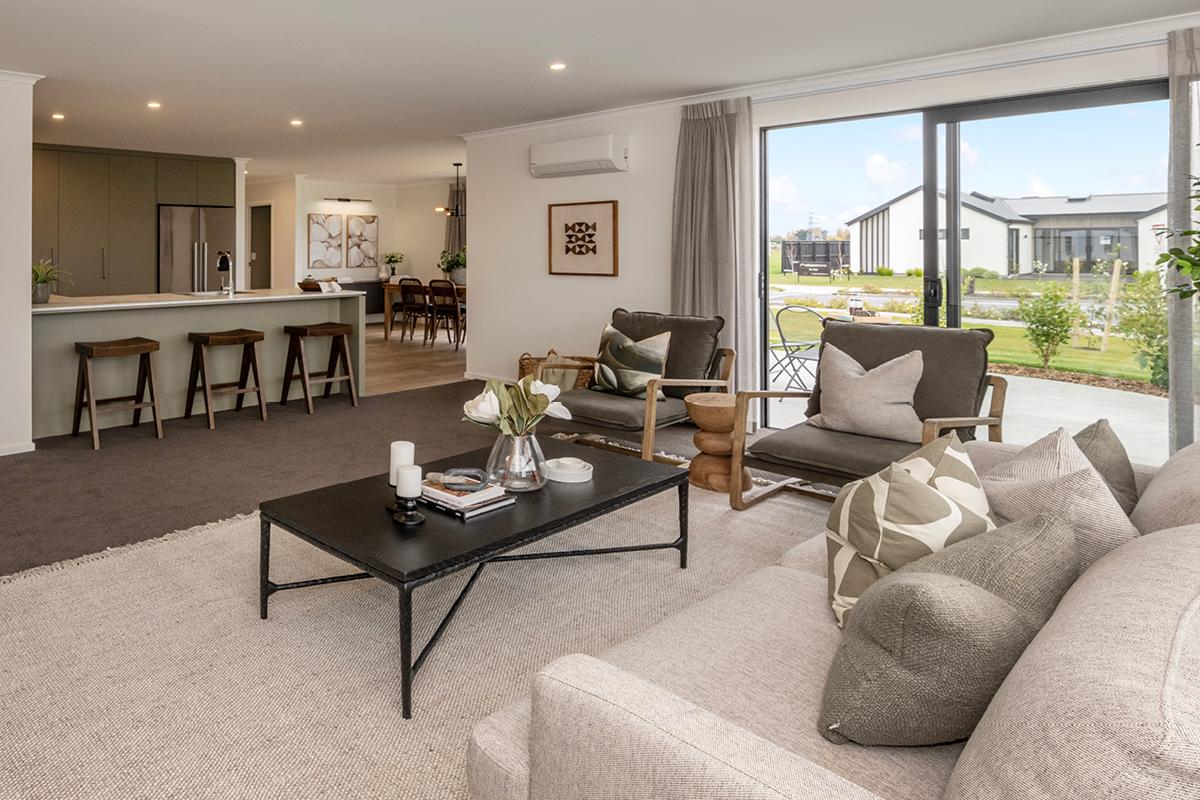
For only $15 a ticket, you could win this brand-new, fully furnished Jennian home located in breathtaking Blenheim, Marlborough.
Valued at over $1 million, this home features three bedrooms, two bathrooms, and an open-plan kitchen, living, and dining area. It is waiting to be loved by its new … View moreFor only $15 a ticket, you could win this brand-new, fully furnished Jennian home located in breathtaking Blenheim, Marlborough.
Valued at over $1 million, this home features three bedrooms, two bathrooms, and an open-plan kitchen, living, and dining area. It is waiting to be loved by its new owner.
Make this property your permanent residence, a holiday home, a rental, or simply sell it!
Get your tickets today at heartlottery.org.nz
Find out more
Donna from Wakefield
Coming to Wakefield this Wednesday 16th October in morning so can drop off to village or anywhere between Kohatu and village.
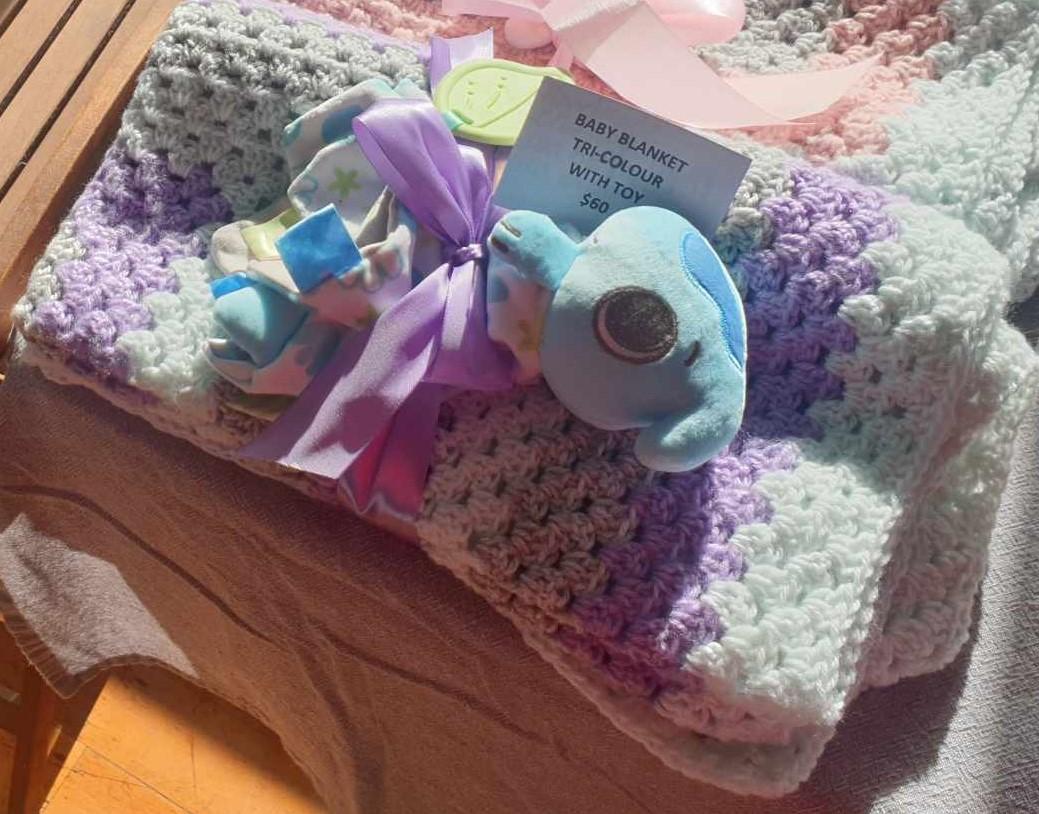
Baby Blankets for sale: Gorgeous gifts.
Made by myself: Acrylic
Tri-coloured blankets with toy: $60 cash
(In stock is a lavender tri-coloured with toy and a Pink … View moreComing to Wakefield this Wednesday 16th October in morning so can drop off to village or anywhere between Kohatu and village.
Baby Blankets for sale: Gorgeous gifts.
Made by myself: Acrylic
Tri-coloured blankets with toy: $60 cash
(In stock is a lavender tri-coloured with toy and a Pink tri-coloured with toy). Blue tri-coloured with or without toy can be made to order. Please allow 2 to 4 weeks to be made.
These can also come without the toy and ribbon. $50 cash
White Baby Blanket with toy and ribbon, (toy may vary). $75 cash
White Baby Blanket without toy: $65 cash One in stock
I can make all these blankets to order. Please allow approx 2 to 4 weeks to be made, dependant on amount of orders in.
Pickup in Kohatu near Tapawera. I am just 15mins from Wakefield.
Cash on pickup
Negotiable





Ernest Rutherford Retirement Village
As we age, mobility and health issues can affect daily routines and independence. It’s natural to want to step in when a loved one faces challenges with tasks they once managed easily. However, instead of taking over completely, finding a balance that offers support while still encouraging … View moreAs we age, mobility and health issues can affect daily routines and independence. It’s natural to want to step in when a loved one faces challenges with tasks they once managed easily. However, instead of taking over completely, finding a balance that offers support while still encouraging independence is key.
Chris Sinclair, Ryman's Community Liaison Leader, shares helpful tips for families and caregivers on how to promote independence and support overall wellbeing.
Click read more for the full article.


It’s a lot of fun (and easy) to turn a terracotta plant pot and saucer into your very own toadstool table with Resene Poppy and Resene Alabaster paint.
Find out how to create your own with these easy step by step instructions.
Find out more

Nicole Mathewson Reporter from The Press
By local democracy reporting:
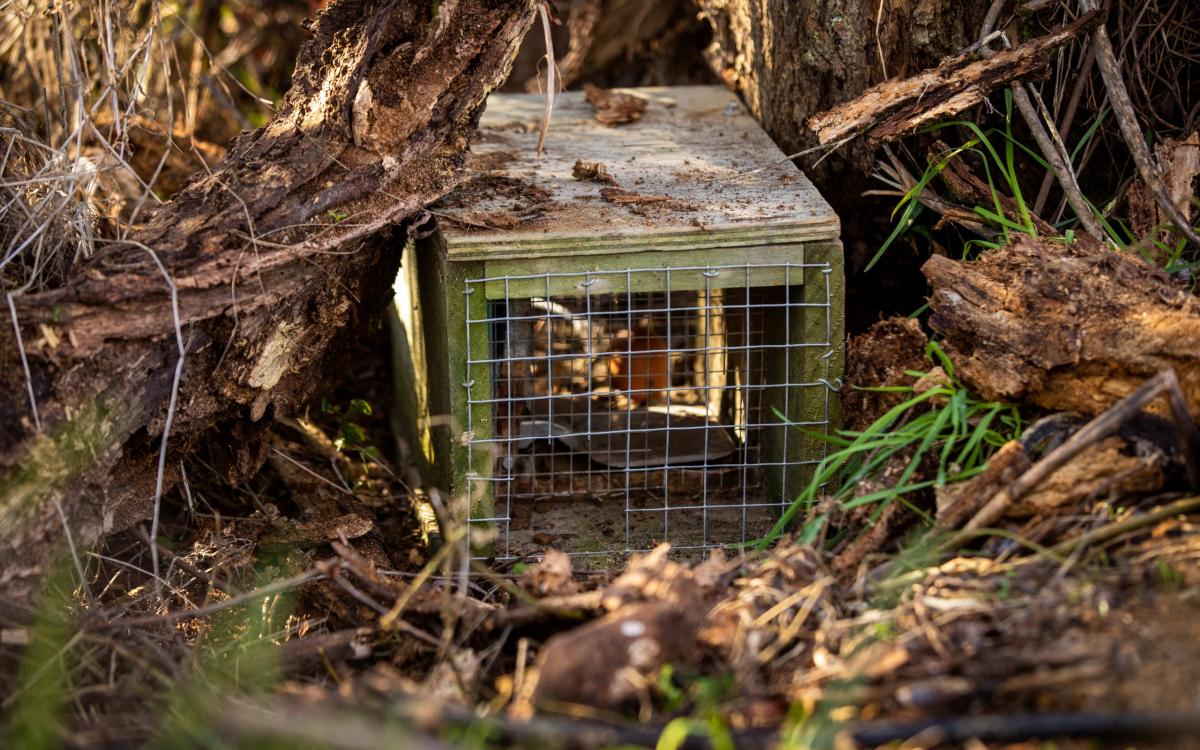
West Coast Regional councillors have agreed in principle to hand over the management of its successful Predator Free Te Kinga project to a charitable trust.
Over the past four years the council has led the pest control mission over 17,000 hectares of public and … View moreBy local democracy reporting:
West Coast Regional councillors have agreed in principle to hand over the management of its successful Predator Free Te Kinga project to a charitable trust.
Over the past four years the council has led the pest control mission over 17,000 hectares of public and private land around the mountain, funded by a $4.4m Provincial Growth Fund grant in 2020.
The project has had strong buy-in from local farmers.
And the council’s Resource Management committee heard on Tuesday that the project involving Lake Brunner landowners, DOC and local schools is nearing its goal of eliminating possums from Mount Te Kinga.
The last one should be gone by early next year, the council’s environmental science manager Shanti Morgan told the meeting.
The network of self-setting traps, bait stations and cameras managed by the council company Vector Control Services had proved highly effective and native species were returning including kaka, fernbirds, New Zealand falcon.
A bittern and a lone female great spotted kiwi had also been sighted, Morgan said.
But plenty of other pests remained in the area including rats, stoats, feral cats and deer.
A 1080 aerial drop planned for the mountain soon should bring a high rate of kill, she said.
But Predator Free 2050 had confirmed it had no funding for the future maintenance of the Te Kinga project, and the remaining $1.6 million PGF money had to be spent by July next year.
“We need to expand the funding options, and be part of a charitable entity,” Morgan said.
As a non-council enterprise, the Te Kinga project would be eligible for funding from charities and philanthropic sources, and could still contract the council’s business arm, Vector Control Servies to manage the pest control.
Councillor Peter Ewen said he was sceptical that the Predator Free 2050 goal could be achieved and asked if the lone kiwi on Te Kinga should be moved before the 1080 drop.
Morgan referred the councillor to the 1080 investigation by Parliamentary Commissioner for the Environment Dr Jan Wright in 2011 which had found the biodiversity benefits of 1080 far outweighed any risks.
“I am confident we can make Te Kinga predator free by 2050,” Ms Morgan said.
The two iwi reps on the committee weighed in with differing perspectives.
Makaawhio representative Jackie Douglas said the iwi was not keen on 1080 but cooperated reluctantly with its use.
Te Waewae chairperson Francois Tumahai said his iwi fully supported the use of 1080 and the setting up of a trust to continue the Te Kinga project after 2025.
The committee voted to approve in principle the setting up of the charitable entity.
*LDR is local body journalism co-funded by RNZ and NZ On Air.
Ernest Rutherford Retirement Village
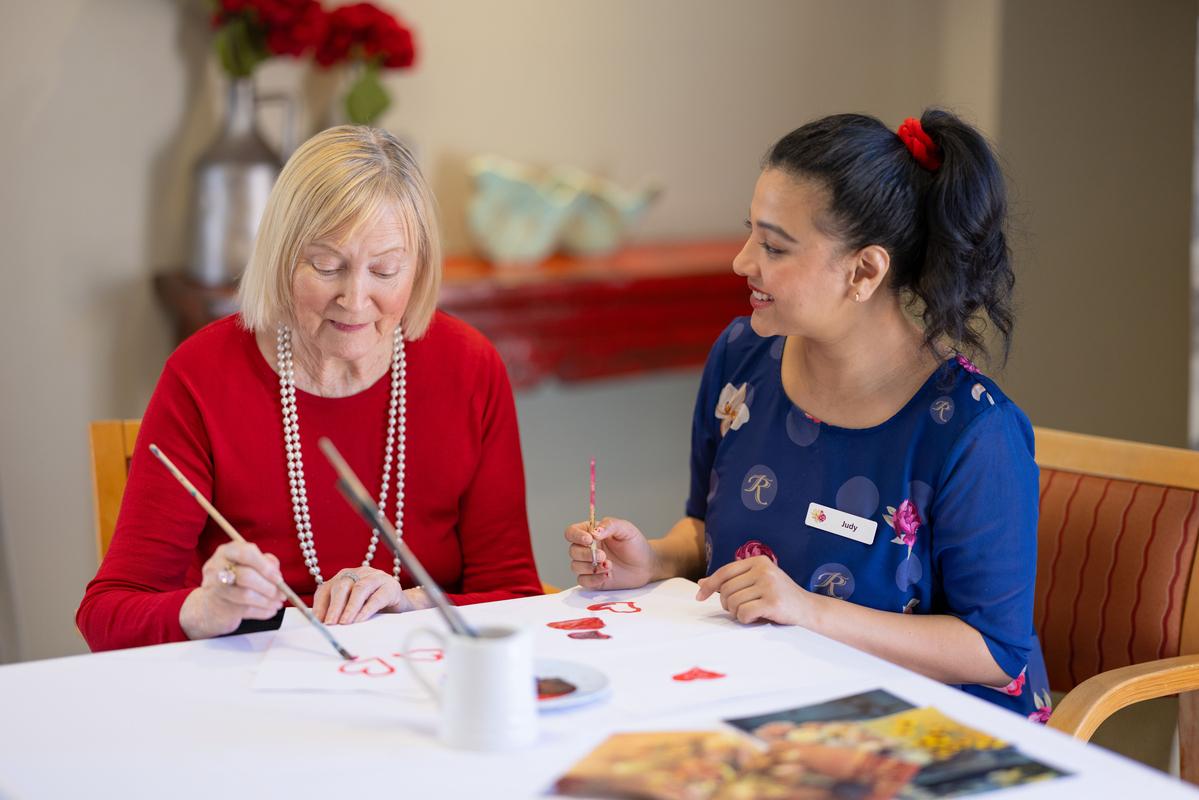
Reducing stigma starts with the words we use, and shifting the way we talk about dementia is a powerful step forward. This World Alzheimer’s Month, Ryman is highlighting the importance of reducing the discrimination caused by stigma surrounding people living with dementia.
Caroline Bartle, … View moreReducing stigma starts with the words we use, and shifting the way we talk about dementia is a powerful step forward. This World Alzheimer’s Month, Ryman is highlighting the importance of reducing the discrimination caused by stigma surrounding people living with dementia.
Caroline Bartle, Ryman’s Dementia Care and Innovations Lead, says that using appropriate language when referring to people with Alzheimer’s and other types of dementia can foster a more inclusive society. This not only benefits those experiencing cognitive decline but also their families and the wider community.
Click read more for the full article.

The Team from
From 5-20 October only, SPCA dog and puppy adoption fees are 25% off. Plus, every dog adopter gets a free Simparica Trio flea, tick & worm treatment, and discount voucher.
We have more than 300 adoption-ready dogs and puppies nationwide, waiting for their happy forever after.
Visit … View moreFrom 5-20 October only, SPCA dog and puppy adoption fees are 25% off. Plus, every dog adopter gets a free Simparica Trio flea, tick & worm treatment, and discount voucher.
We have more than 300 adoption-ready dogs and puppies nationwide, waiting for their happy forever after.
Visit www.spca.nz... to start your journey together.



The Team from Neighbourly.co.nz
I'm sure you've seen it while doing your weekly shop... In fact, it may have even been you.
What do you think about people heading to the supermarket in their pyjamas?

177 replies (Members only)
The Team from Neighbourly.co.nz
At the post-Cabinet press conference, the National Party asserted they want public sector staff to return to the office. This has opened a conversation about other sectors in New Zealand who have adopted working from home (WFH).
Where possible, do you think employees should be able to work from … View moreAt the post-Cabinet press conference, the National Party asserted they want public sector staff to return to the office. This has opened a conversation about other sectors in New Zealand who have adopted working from home (WFH).
Where possible, do you think employees should be able to work from home? Vote below and share your thoughts in the comments.

226 replies (Members only)
Repurpose an old picture frame and serve up a message of love to family or friends with Resene colours, Resene FX Blackboard Paint and Resene FX Paint Effects Medium.
Find out how to create your own with these easy step by step instructions.
Find out more

Nicole Mathewson Reporter from The Press
By local democracy reporter Lois Williams:
Abandoning efforts to protect Franz Josef farmers from the Waiho River would imperil the West Coast’s famed tourist route – State Highway 6, NZ Transport Agency Waka Kotahi (NZTA) is warning.
NZTA has responded to challenges from Franz Josef’s … View moreBy local democracy reporter Lois Williams:
Abandoning efforts to protect Franz Josef farmers from the Waiho River would imperil the West Coast’s famed tourist route – State Highway 6, NZ Transport Agency Waka Kotahi (NZTA) is warning.
NZTA has responded to challenges from Franz Josef’s north bank ratepayers, who face big rate rises to protect their neighbours living and farming across the river on the Waiho Flats.
Businessman Logan Skinner and others have queried the point of spending $10 million in government and ratepayer funds to strengthen southern stopbanks, when the river clearly wants to head south to its natural flood plain.
But NZTA says the stop bank network on both sides of the river has to be seen as one joined-up system, including Waka Kotahi’s massive flood walls that run beside SH6.
“There’s no point NZTA raising our stop banks alone if any of the other banks protecting the state highway are lower," NZTA's South Island manager Mark Pinner said.
“Any low point in a stop bank upstream of the state highway could compromise the road, so we need to have joined up or consistently uniform design levels and construction for the north and south stop banks as a whole.”
NZTA was working with the West Coast Regional Council to look at longer term options for the road and the river, he said.
But in the meantime the southern stop banks needed to match the height of the northern ones to prevent overtopping if the river moved channels, Pinner said.
“This can happen in any larger flood, given this is one of the most dynamic braided river systems in the country.”
South bank dairy farmer Neil Frendrup said contrary to Skinner’s argument, the prospect of abandoning the Waiho Flats made no economic sense.
“We produce 391kg of milk solids a year from our farm alone, and I don’t know how much the dry stock farms produce but there’s a hell of a lot of food coming off the south bank.”
Frendrup’s 1000 cows feed on his 600 hectares of grass, but he lost 30 hectares of pasture to the river a couple of years ago, when the river came around the end of the existing Milton stop bank.
The 83-year-old was hoping to sell the farm and retire this year, but his hopes were dashed after the government ruled out a buyout of his $3.7m CV property, and others on the flats.
“Then there was talk of abandoning the south bank and no-one’s gonna buy land they think could be destroyed so like it or not we’ve got to be here a bit longer."
Losing productive farms was not the only risk involved of letting the river roam over the Waho Flats – it could also unleash environmental mayhem, Frendrup said.
“There’s an old rubbish dump on our side, and if the river got into that the stuff that came out of the old Fox dump would be nothing compared to the Franz one.”
(Tonnes of rubbish were washed downstream in 2019 when a flood broke open an old landfill on the banks of the Fox River, costing $3m for a three-year clean-up job.)
The idea of re-routing SH6 to the east and abandoning the Flats which had been suggested in the past, was also a bad one, Frendrup said.
“Doing away with the stopbank and putting the main road along the base of the Alps doesn’t seem very sensible to me, when the Alpine Fault is overdue for its 300 year major quake.“
After farming the south bank and watching the river for 16 years, Frendrup thinks the solution is relatively simple.
“They need to extend the (south side) Milton and Others stopbank about 200 metres and bulldoze a track for the river closer to the (north side) hill, going down to the sea so it can flow in a channel closer to the north bank."
West Coast Regional Council chairperson Peter Haddock said the plan to strengthen the southern stop banks was based on advice from its technical advisory group, which analysed years of reports on the Waiho.
“The experts advised that would give at least 10 years protection to south side community, while the Westland District Council did a master plan aimed at relocating houses as river gradually released to the south."
But the government focus had since changed from buyouts to holding the line with stop banks, Haddock said.
The council had lobbied hard and Minister Shane Jones had allocated $6m for the project, with all Franz Josef ratepayers asked to chip in $4m.
“The north side now has its stopbank but the south side is still vulnerable,” Haddock said.
“And it’s a large contributor to the local and West Coast economy.”
*LDR is local body journalism co-funded by RNZ and NZ On Air.


The Team from Neighbourly.co.nz
For most of us, seeing a friendly doggo while out and about instantly brings a smile to our faces. But how do you feel about cafes welcoming pups inside?
Cast a vote and share your thoughts below.

240 replies (Members only)
 Loading…
Are you sure? Deleting this message permanently removes it from the Neighbourly website.
Loading…




© Neighbourly 2025