






Star gazers measure Oxford’s night sky in quest for dark park status
Star gazers are peering into Oxford’s dark sky. Local Democracy Reporter DAVID HILL visits the group to speak about their quest for dark sky park status.
--------
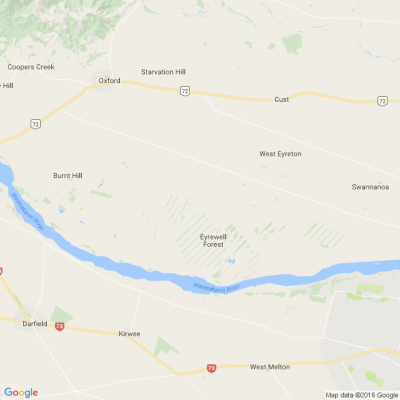
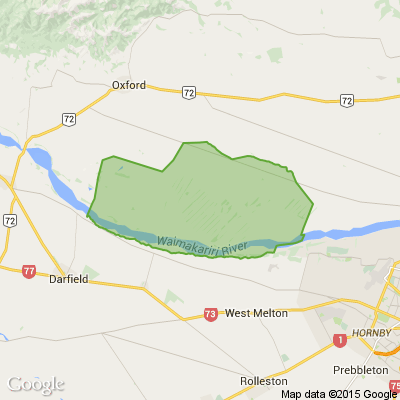
A group of volunteers are looking to the stars in a bid to gain dark sky park status for a conservation area in North Canterbury.
The newly formed Oxford Dark Sky Group is close to submitting an application with the International Dark-Sky Association.
To complete the application, volunteers travel to the Oxford Forest Conservation Area to measure the dark sky.
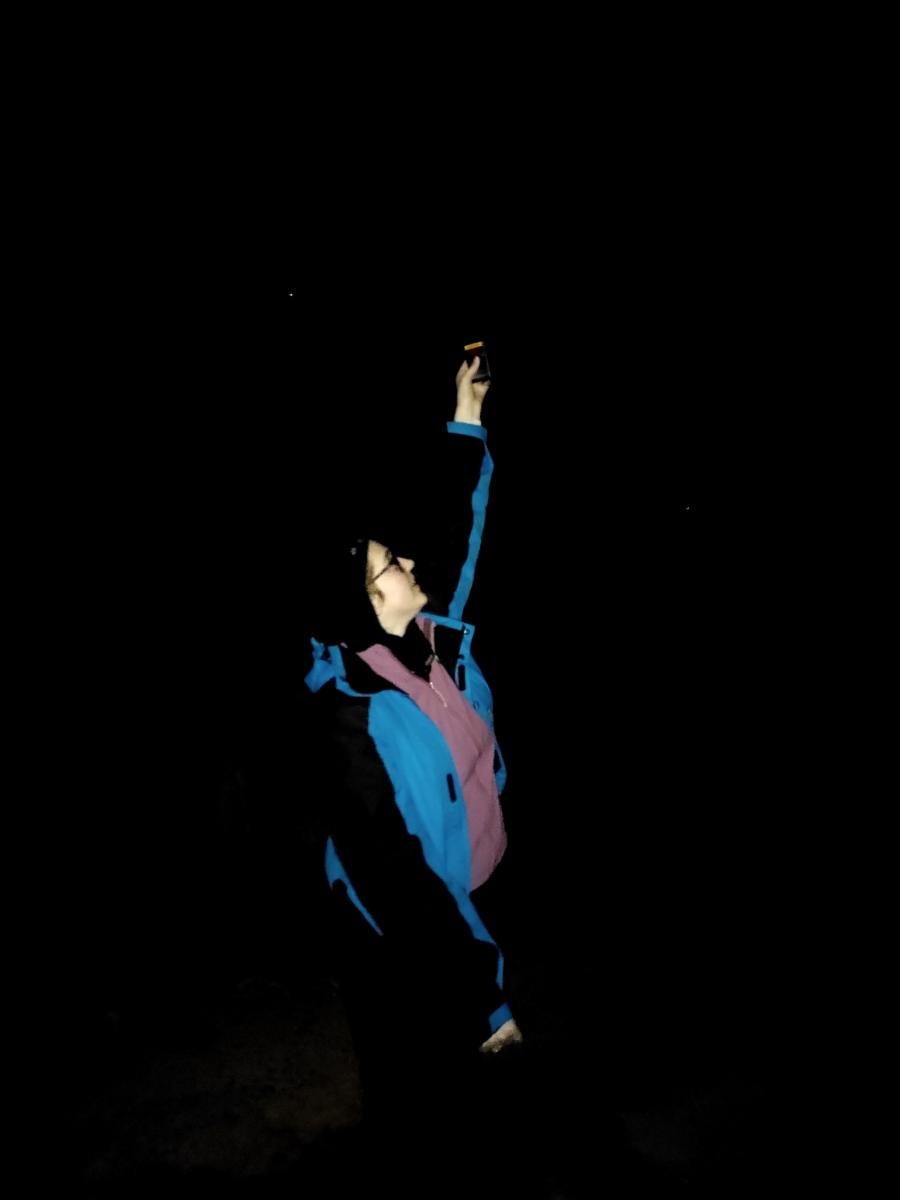
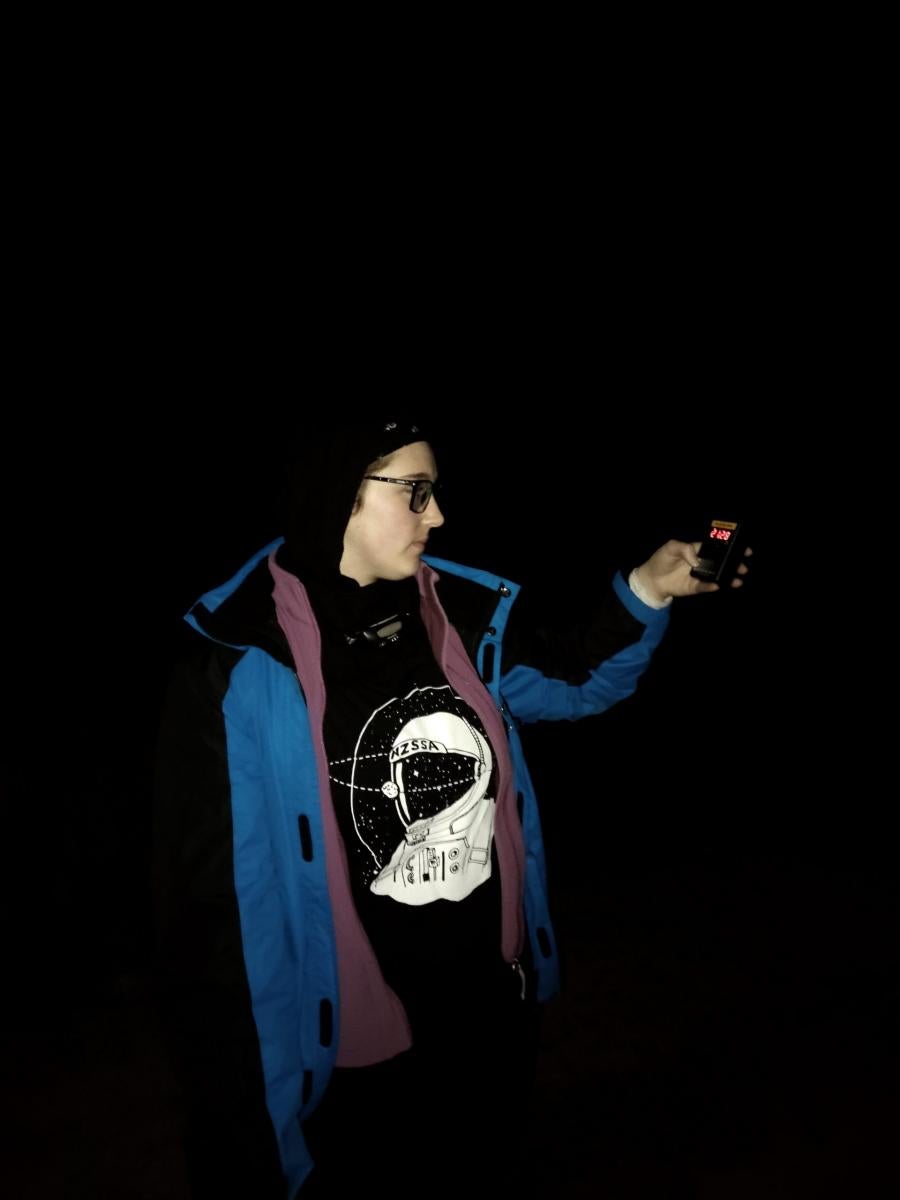
My daughter, Sasha, and I met volunteers Raul Elias-Drago and Susi Schulze at the Oxford Area School Observatory at 11.30pm on a recent Friday, before heading out to the conservation area.
We take our first readings on the dark sky reader after stepping out of the car at the Coopers Creek car park.
As Elias-Drago explained, we need readings of magnitude 21.2 or higher to support the application.
Stellar magnitude is what astronomers use to measure the brightness of star or object in space. The brighter the object, the lower magnitude.
The Sun has an apparent magnitude of -27, while Sirius, the brightest star in the night sky, is -1.46. Venus at its brightest is -5 and the International Space Station can reach a magnitude of -6.
Most people can see up to magnitude 6 with the naked eye on a clear night.
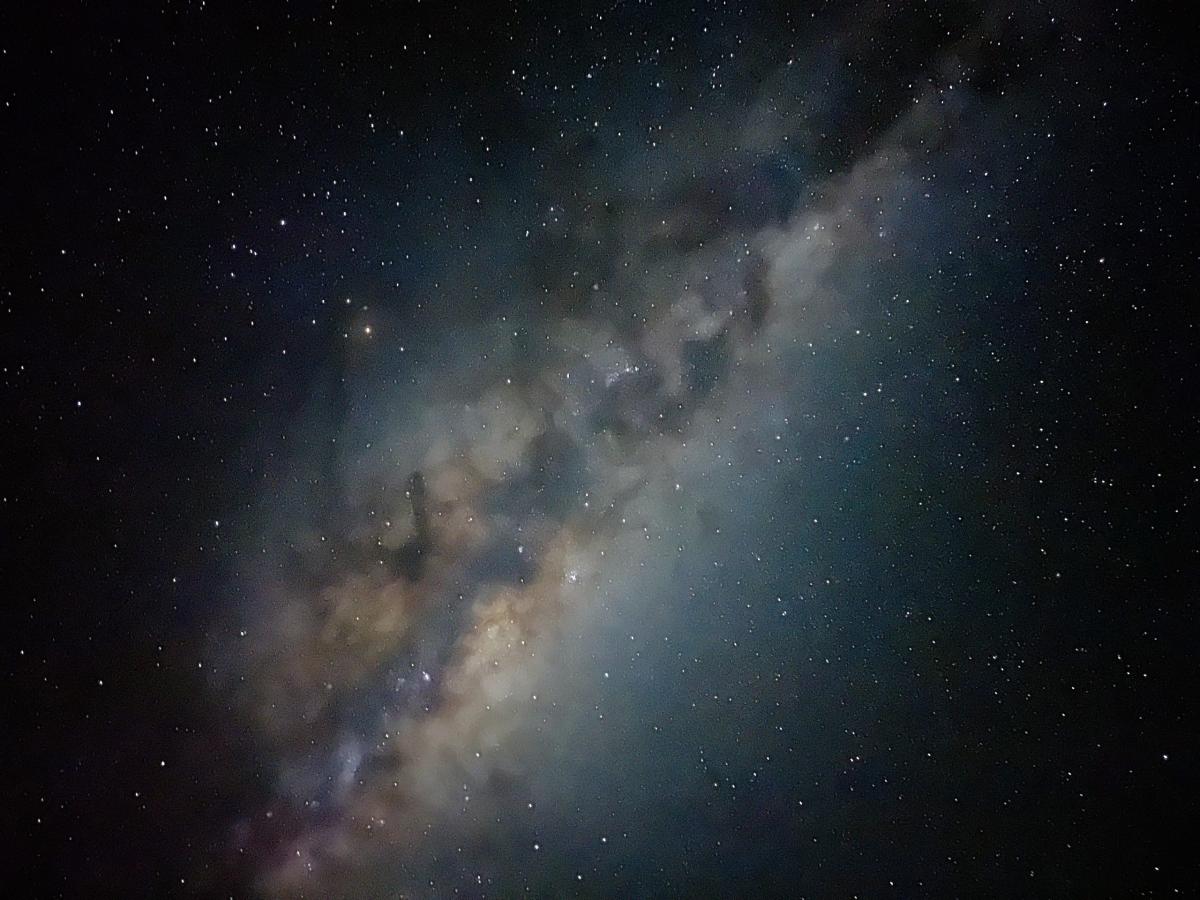
A magnitude of 21.2 is optimum for stargazing, as the sky is dark enough to see distant objects and get a clear view of the centre of the Milky Way through a telescope.
Our first set of readings were around 21.16 to 21.18.
Undeterred we drove further into the conservation area to take readings at different locations.
It was a partially cloudy night, but as we ventured further and the sky got darker our readings were consistently well over 21.2 and as high as 21.48.
On clear nights, Elias-Drago said he picked up readings as high as 21.66 and 21.76.
A $500 grant from the Oxford-Ohoka Community Board allowed the group to buy a dark sky reader.
The newly formed Oxford Dark Sky Group has 22 member organisations, including schools, community groups, sports club, the Oxford Promotions Action Committee (representing local businesses), the Department of Conservation and the Waimakariri District Council.
Elias-Drago said the ultimate goal is to become a dark sky reserve.
The first step is to obtain dark sky park status for the 11,350 hectare conservation area.
‘‘We can use that to generate momentum and then continue the conversation with the council and local businesses, generate some funds and come back to addressing the lighting in the township.’’
A dark sky reserve would include the conservation area as the core and the township and surrounding area as the periphery.
Elias-Drago said there were questions around lighting in the town and changes to the Waimakariri District Plan would need to be considered.
He said good lighting policies could reduce light pollution, improve melatonin levels in humans and improve animal welfare.
A study commissioned by Enterprise North Canterbury, the council’s economic development arm, earlier this year suggested a dark sky reserve could generate $5.4 million in additional spending in the town, and create up to 24 jobs.
After taking measurements in the conservation area, we took a set of readings at the observatory to compare.
Even with a street light outside the observatory and a partially cloudy sky, those readings were only just below 21.2.
The Oxford Dark Sky Group has received an award in the inaugural Waimakariri Zone Committee's environmental awards. (The Waimakariri Zone Committee is a joint committee of Environment Canterbury and the Waimakariri District Council.)
■Public interest journalism funded through New Zealand on Air.

Brain Teaser of the Day 🧠✨ Can You Solve It? 🤔💬
How many balls of string does it take to reach the moon?
(Peter from Carterton kindly provided this head-scratcher ... thanks, Peter!)
Do you think you know the answer? Simply 'Like' this post and we'll post the answer in the comments below at 2pm on the day!
Want to stop seeing these in your newsfeed? No worries! Simply head here and click once on the Following button.


Poll: Are our Kiwi summer holidays helping us recharge, or holding the economy back? ☀️🥝
There’s growing debate about whether New Zealand’s extended Christmas break (and the slowdown that comes with it) affects productivity.
Tracy Watkins has weighed in ... now it’s your turn. What’s your take? 🤔
-
72.9% We work hard, we deserve a break!
-
15.9% Hmm, maybe?
-
11.2% Yes!

Some Choice News!
Many New Zealand gardens aren’t seeing as many monarch butterflies fluttering around their swan plants and flower beds these days — the hungry Asian paper wasp has been taking its toll.
Thanks to people like Alan Baldick, who’s made it his mission to protect the monarch, his neighbours still get to enjoy these beautiful butterflies in their own backyards.
Thinking about planting something to invite more butterflies, bees, and birds into your garden?
Thanks for your mahi, Alan! We hope this brings a smile!

 Loading…