





New alpine trap line lies in wait for expected predators
By reporter Debbie Jamieson:
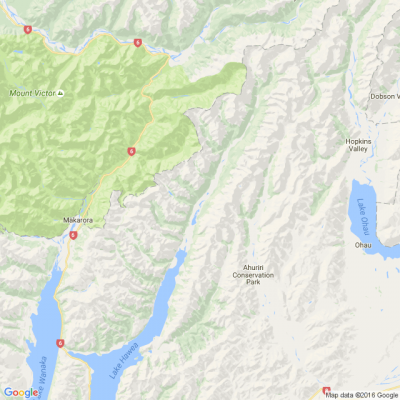
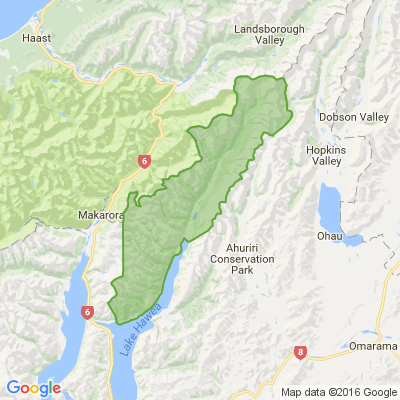
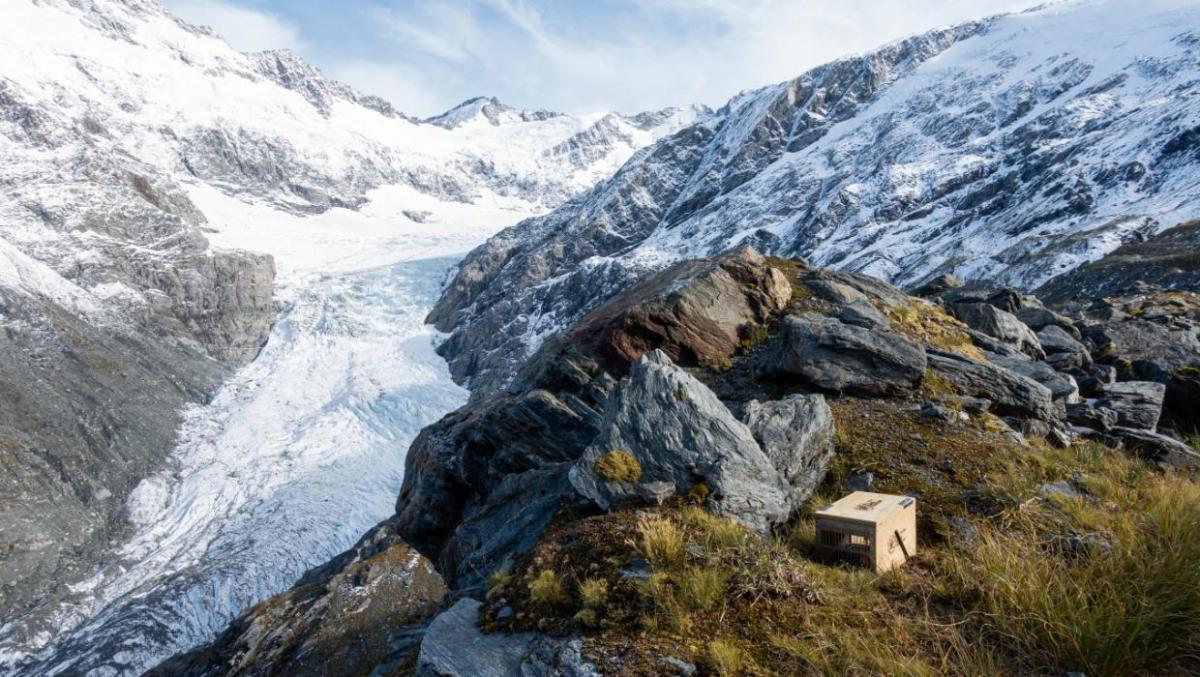
A new high alpine predator trap line is the final link in a 100km front protecting native wildlife between Wānaka and Glenorchy.
The installation of the 64 traps was also a symbolic joining of the Wānaka and Whakatipu basins in a bid to create the largest predator-free sanctuary on the New Zealand mainland.
Southern Lakes Sanctuary Trust hub co-ordinator Tom Reeves led a team of five workers installing the traps across about 13km from the Cascade Saddle to the Rees Saddle last week.
The traps were dropped into 10 locations by Aspiring Helicopters before the team spent two nights in the mountains installing each trap.
Reeves said the construction of the trap line was a goal when the trust was formed in 2021.
Since then the umbrella organisation had brought together six local groups representing 84 community groups, landowners and businesses to work on its predator-free plans.
The highest installed trap on the line sat at 1835 metres, making it one of the higher trap lines in the country.
The traps targeted stoats, rats and other mustelids, and would actively help protect kea and rock wren in their natural habitat, he said.
Giant weta, alpine invertebrates and lizards would also benefit.
In summer, stoats would come over the mountain passes and re-invade valleys such as the West Matukituki, where long tailed bats and robins and kaka lived, he said.
The trap line also provided protection for the Rees Valley, where the Department of Conservation is hoping to establish a population of vulnerable takahe.
“We’ve put several hundred traps into the Rees already and this is all part of gearing up for that huge trans-relocation as well,” Reeves said.
The traps would be checked monthly, but not in winter due to snow and avalanche risk.
Maintaining the trap line would be a joint venture between the Matukituki Charitable Trust servicing the traps on the Wānaka side, and the Routeburn Dart Wildlife Trust responsible for the Glenorchy side.
The Southern Lakes Sanctuary Trust was continuing to seek support from funders and volunteers to continue the work, he said.
“Otherwise a lot of those gains we’ve made over these last few years will disappear so we do need a lot of help.“
The trust’s 30-year goal is to create a 660,000-hectare area free of introduced pests where the indigenous fauna – including 35 endangered species – is able to thrive.

🎉The Riddler wants to hear from you 🫵
🧩 Got a riddle that can stump your Neighbourly community? Share your brain teasers with us and watch your neighbours scratch their heads 😕🤔❓
Send us your tricky puzzles!

Today’s Mind-Bender is the Last of the Year! Can You Guess It Before Everyone Else? 🌟🎁🌲
I dance in the sky with green and gold, a spectacle few are lucky to behold; I’m best seen in the south, a celestial sight—what am I, lighting up the New Zealand night?
Do you think you know the answer? Simply 'Like' this post and we'll post the answer in the comments below at 2pm on the day!
Want to stop seeing these in your newsfeed? No worries! Simply head here and click once on the Following button.


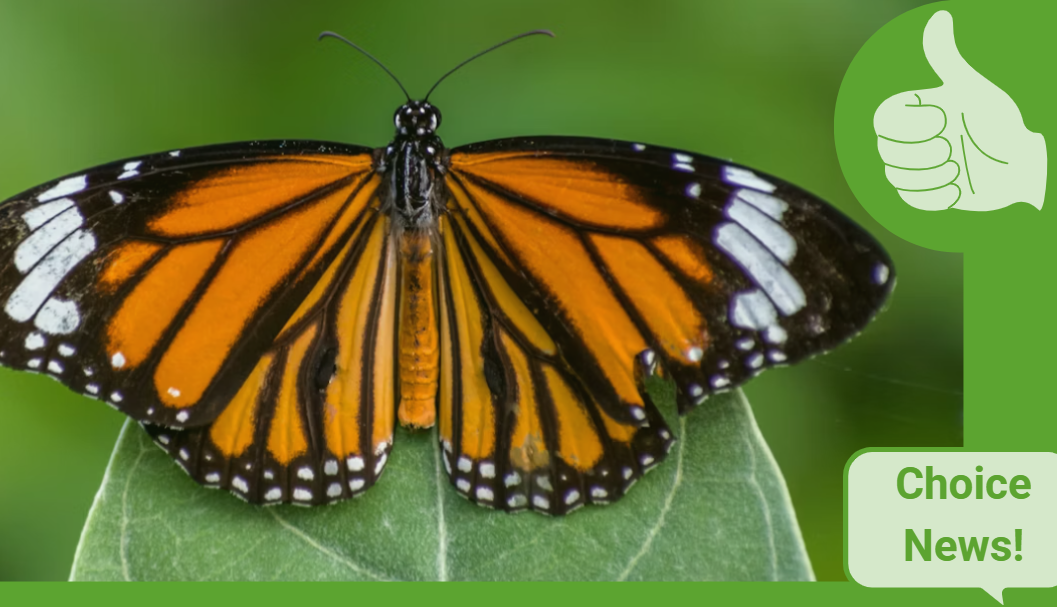
Some Choice News!
Many New Zealand gardens aren’t seeing as many monarch butterflies fluttering around their swan plants and flower beds these days — the hungry Asian paper wasp has been taking its toll.
Thanks to people like Alan Baldick, who’s made it his mission to protect the monarch, his neighbours still get to enjoy these beautiful butterflies in their own backyards.
Thinking about planting something to invite more butterflies, bees, and birds into your garden?
Thanks for your mahi, Alan! We hope this brings a smile!
 Loading…