






The school with a farm on site – but should it have animals?
By David Hill, Local Democracy Reporter
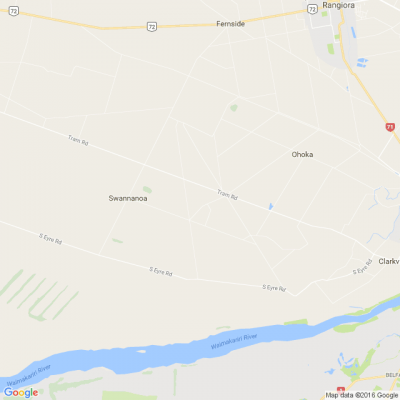
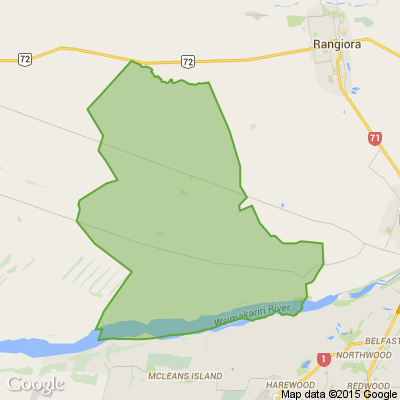
A Canterbury school is weighing up the future of animals on its farm as urban life spreads into the traditionally rural area.
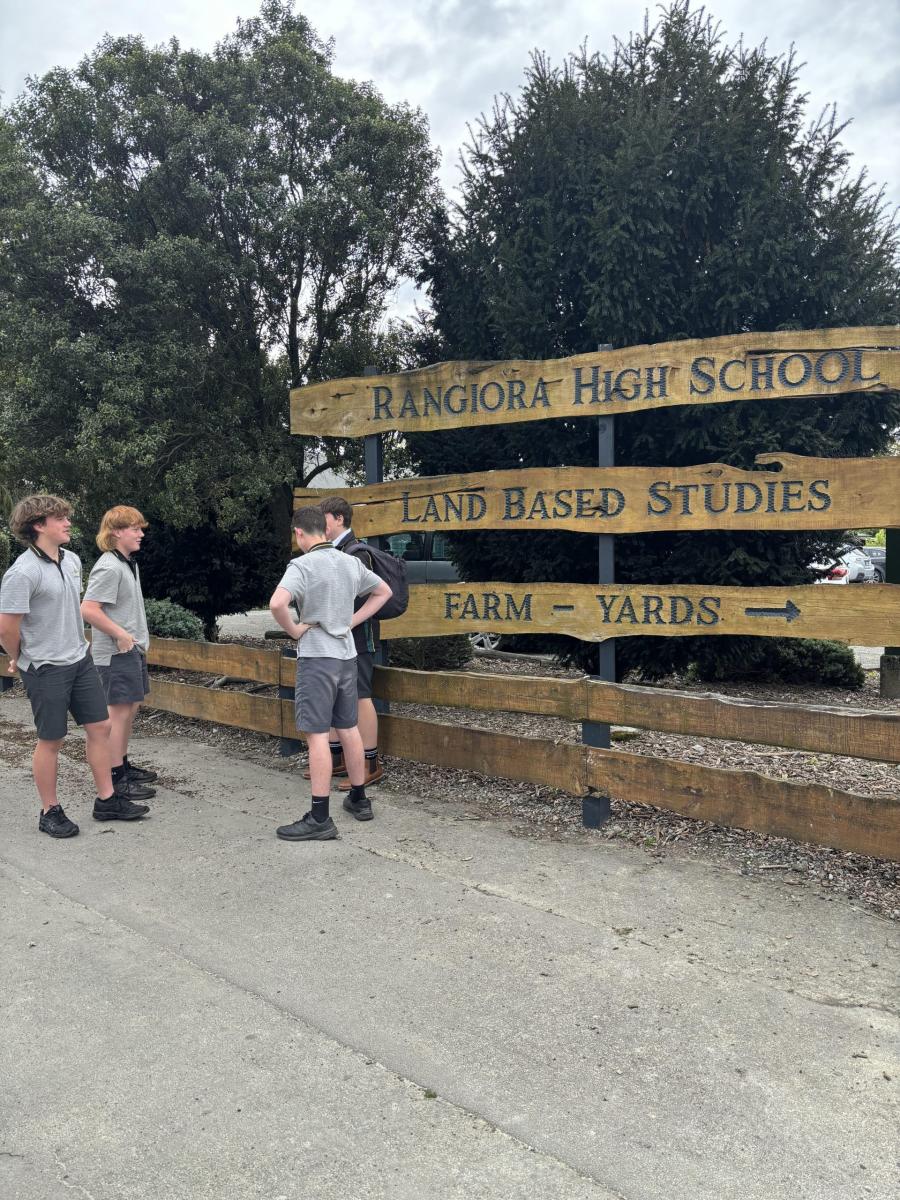
Rangiora High School is exploring opportunities to make its farm relevant in the 21st century, board of trustees chairperson Simon Green says.
"The board is excited about moving away from a more traditional farm to an outdoor lab or outdoor classroom."
The school’s head of science, David Newsham-West, took a break from classroom duties this year to review the farm and explore future opportunities.
Principal Bruce Kearney said they needed to consider what was sustainable and added value to the school.
It meant the future of animals at the school was under consideration.
Options included moving from raring lambs to fattening stock, or moving away from animals altogether.
"The world is shifting to be more sustainable and shifting away from meat, so we need to prepare our students for a changing world," Kearney said.
The makeup of the school's students has also changed.
"When the school was established in the 1880s it was mostly farming families, but now more than 80 percent of our students are urban."
Kearney said they wouldn't sell the farm.
The school had been building connections with Lincoln University and was looking at a similar model.
"They do the full process really well on a larger scale, so we can learn from Lincoln and what they do and look to offer it on a smaller scale."
Green said the farm was placed under great scrutiny as the environment around the school became increasingly urbanised.
"It is like a glasshouse. People are looking in at what we are doing, whether it is raising farm animals, plants or biota nodes.
"And it is important to us for our learning to be seen in action, but we need to ensure that what we do is ethical."
Green said students who are keen on farming had the opportunity to spend time on a large scale dairy or dry stock farm during class time.
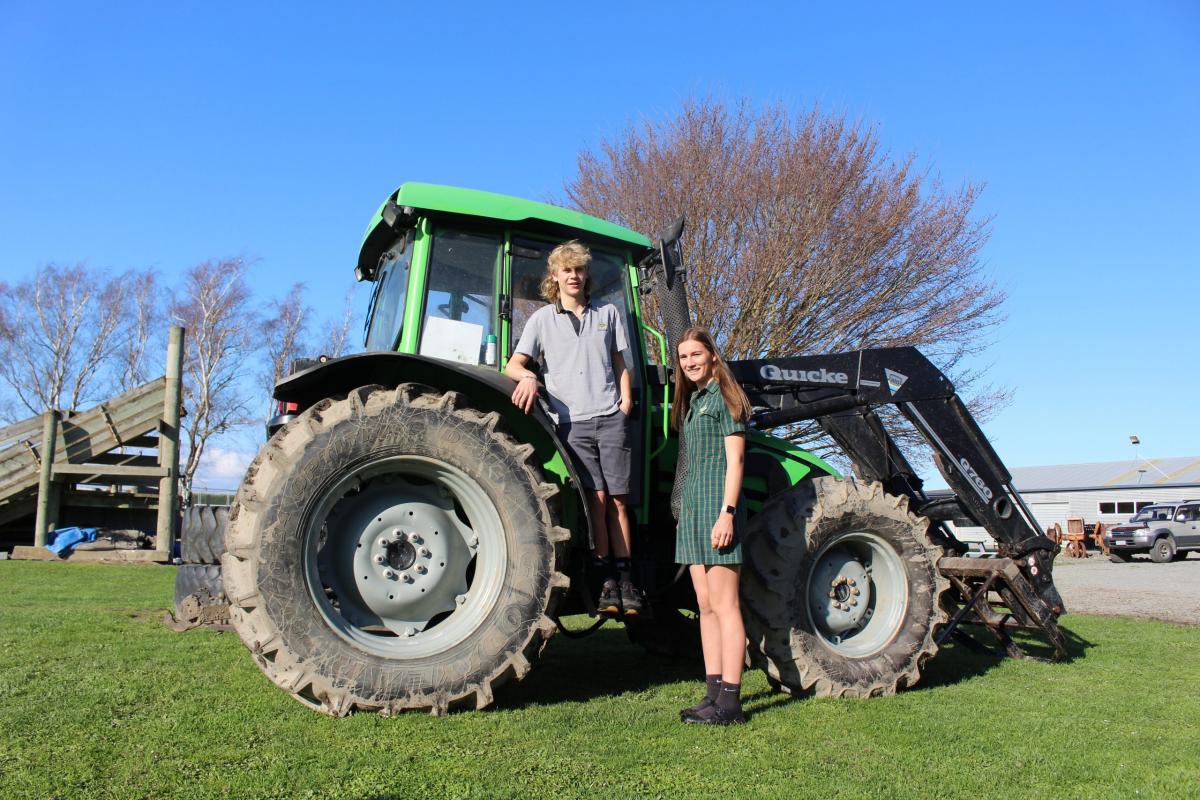
But the farm still had a role to play in giving students a taste of the rural sector and what opportunities were available.
The school was also looking to move all of its classrooms on to the main school site, on the west of East Belt, which would make more land available for the farm.
Newsham-West will present a proposal to the board by the end of the year, before consulting with the wider school community.
Kearney said the vision would include working alongside Lincoln University, the Ministry of Primary Industries and Environment Canterbury to prepare students for future careers in the rural sector.
■ Public interest journalism funded through New Zealand on Air.

Brain Teaser of the Day 🧠✨ Can You Solve It? 🤔💬
How many balls of string does it take to reach the moon?
(Peter from Carterton kindly provided this head-scratcher ... thanks, Peter!)
Do you think you know the answer? Simply 'Like' this post and we'll post the answer in the comments below at 2pm on the day!
Want to stop seeing these in your newsfeed? No worries! Simply head here and click once on the Following button.


Poll: Are Kiwis allergic to “exuberance”? 🥝
In The Post’s opinion piece on the developments set to open across Aotearoa in 2026, John Coop suggests that, as a nation, we’re “allergic to exuberance.”
We want to know: Are we really allergic to showing our excitement?
Is it time to lean into a more optimistic view of the place we call home? As big projects take shape and new opportunities emerge, perhaps it’s worth asking whether a little more confidence (and enthusiasm!) could do us some good.

-
41.8% Yes
-
32.1% Maybe?
-
26.1% No
Poll: Are our Kiwi summer holidays helping us recharge, or holding the economy back? ☀️🥝
There’s growing debate about whether New Zealand’s extended Christmas break (and the slowdown that comes with it) affects productivity.
Tracy Watkins has weighed in ... now it’s your turn. What’s your take? 🤔

-
73.1% We work hard, we deserve a break!
-
15.8% Hmm, maybe?
-
11.1% Yes!
 Loading…