








Bee and wasp stings
Most of us have had a wasp or bee sting at some time in our life.
A bee will only sting if it, or the hive is threatened. Unfortunately there is little you can do to treat a bee sting other than ensuring the stinger is removed and a ice pack applied. Putting on lotions, or other remedies will only provide topical relief as you cannot neutralize the poison that is already inside.
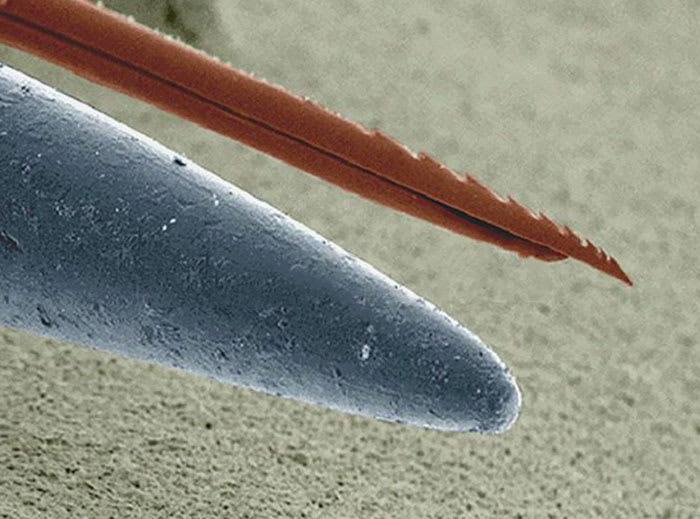
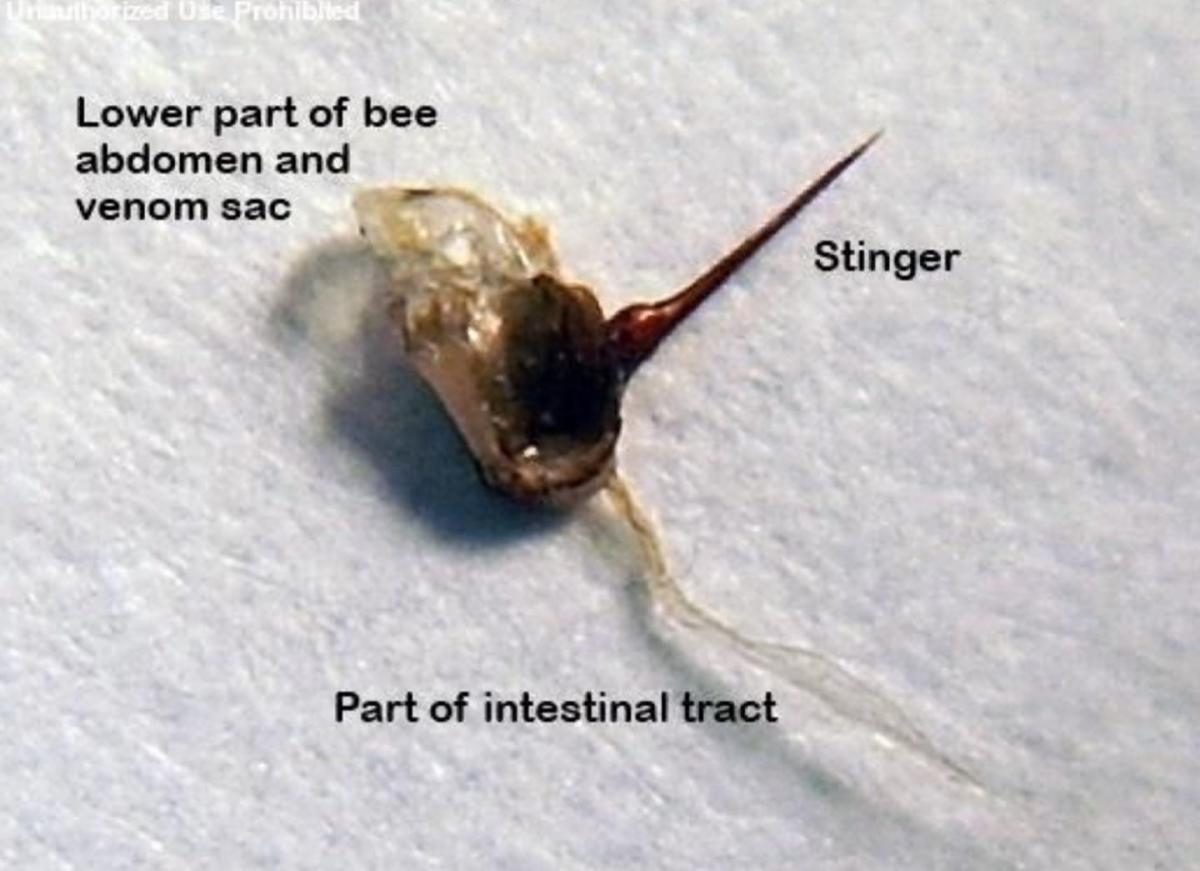
As you can see by the photo comparing a bee stinger with a needle the stinger is very sharp and very tiny. The stinger is barbed and will work its way into the skin injecting the venom at the same time, however that is the end of the bee as the stinger cannot be extracted and the bee will rip its stinger out of its abdomen.
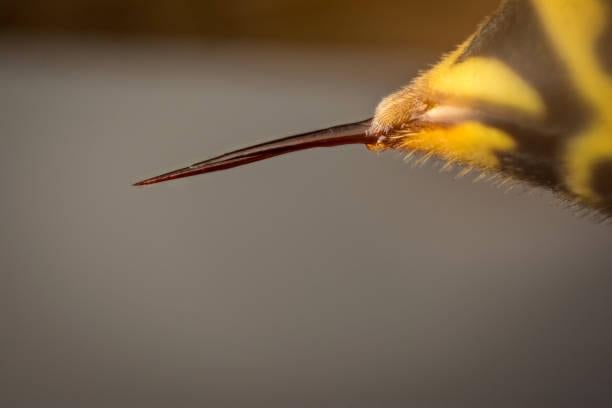
The wasp stinger is not barbed and it can sting multiple times. The second photo is of a wasp stinger and the third is what the poor bee leaves behind.

Brain Teaser of the Day 🧠✨ Can You Solve It? 🤔💬
How many balls of string does it take to reach the moon?
(Peter from Carterton kindly provided this head-scratcher ... thanks, Peter!)
Do you think you know the answer? Simply 'Like' this post and we'll post the answer in the comments below at 2pm on the day!
Want to stop seeing these in your newsfeed? No worries! Simply head here and click once on the Following button.


Some Choice News!
Many New Zealand gardens aren’t seeing as many monarch butterflies fluttering around their swan plants and flower beds these days — the hungry Asian paper wasp has been taking its toll.
Thanks to people like Alan Baldick, who’s made it his mission to protect the monarch, his neighbours still get to enjoy these beautiful butterflies in their own backyards.
Thinking about planting something to invite more butterflies, bees, and birds into your garden?
Thanks for your mahi, Alan! We hope this brings a smile!


Be prepared for upcoming roadworks
SH1 Transmission Gully works until mid-February, weather permitting.
There’s no roadworks for the holiday break from Friday 19 December, and all lanes will be fully open. Contractors are back to work on Monday 5 January, at night. Plan ahead for lane closures, night-time road closures and speed restrictions until mid-February. When the highway is closed, detours are via State Highway 59 and State Highway 58.
Chip-seal works begin in early January, so drivers must do 30km/h to prevent flying chip that can damage vehicles.

 Loading…