






Tūī give Wellingtonians something to celebrate
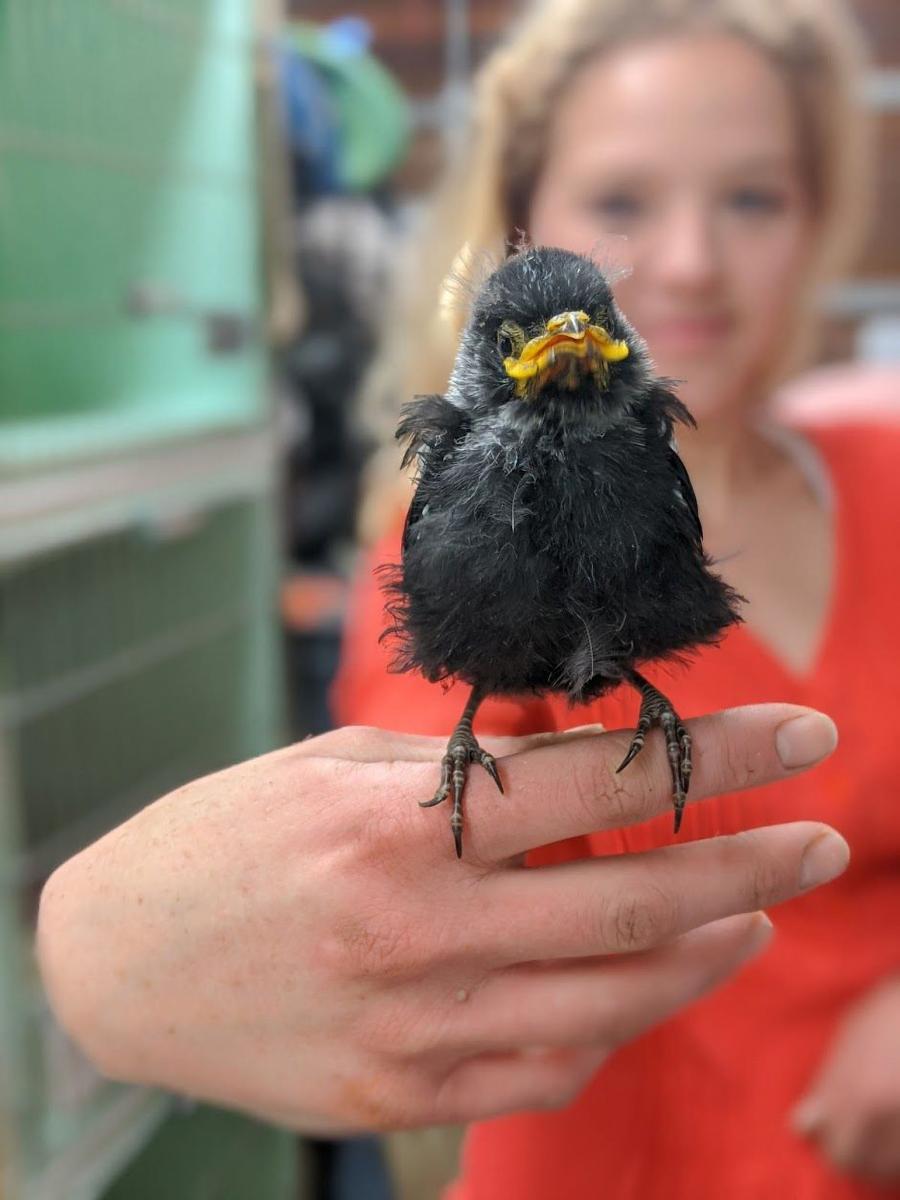
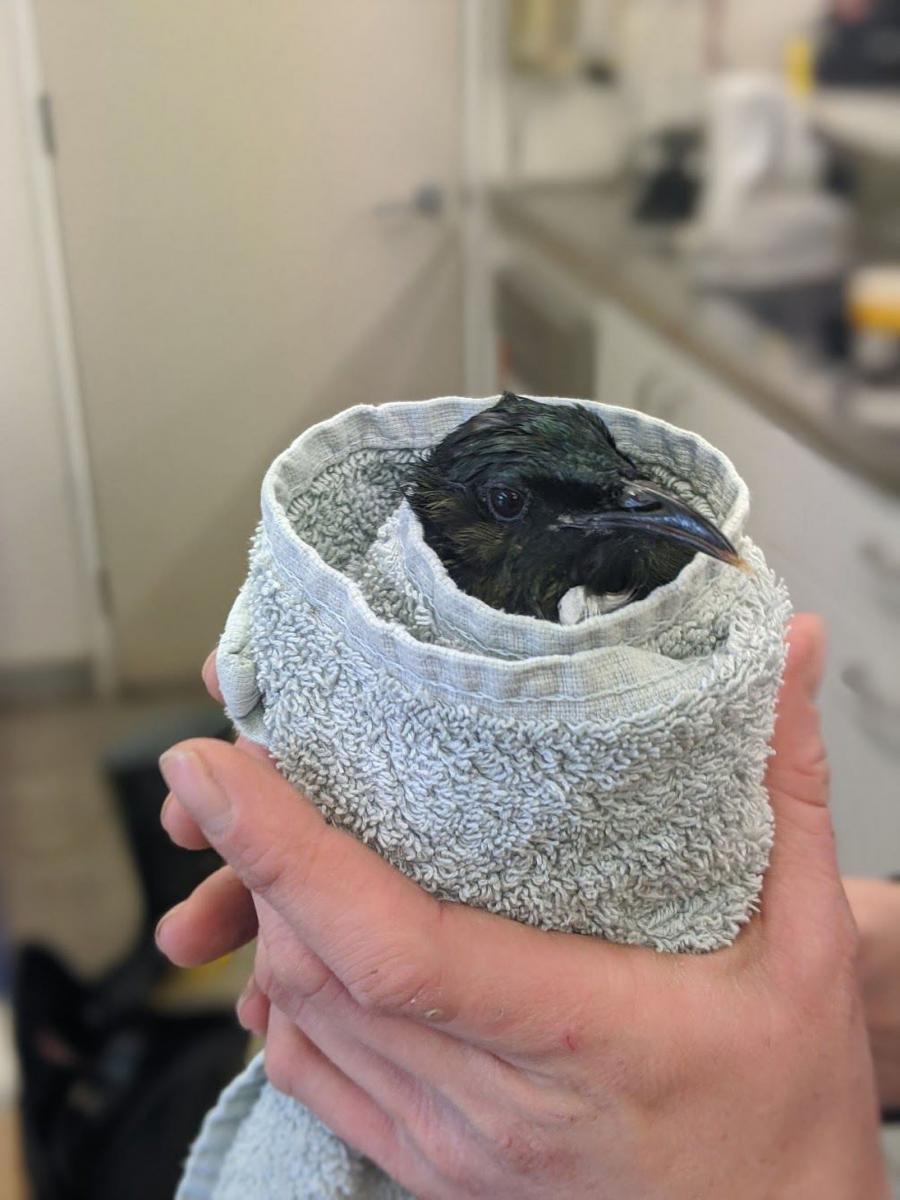
Tūī are thriving in Wellington and conservationists say Wellingtonians deserve plenty of credit for their success.
Council possum trapping, Zealandia and people planting flax and kowhai are factors that helped their recovery.
Wellington Bird Rehabilitation Trust spokesperson Craig Shepherd said tūī and kererū numbers had skyrocketed in recent years.
The Johnsonville based trust is getting so many tūī it is struggling to cope. The trust wants to build two new aviaries for recovering tūī and it has set up a Givealittle page.

Neighbourhood Challenge: Who Can Crack This One? ⛓️💥❔
What has a head but no brain?
Do you think you know the answer? Simply 'Like' this post if you know the answer and the big reveal will be posted in the comments at 2pm on the day!
Want to stop seeing these in your newsfeed?
Head here and hover on the Following button on the top right of the page (and it will show Unfollow) and then click it. If it is giving you the option to Follow, then you've successfully unfollowed the Riddles page.


Some Choice News!
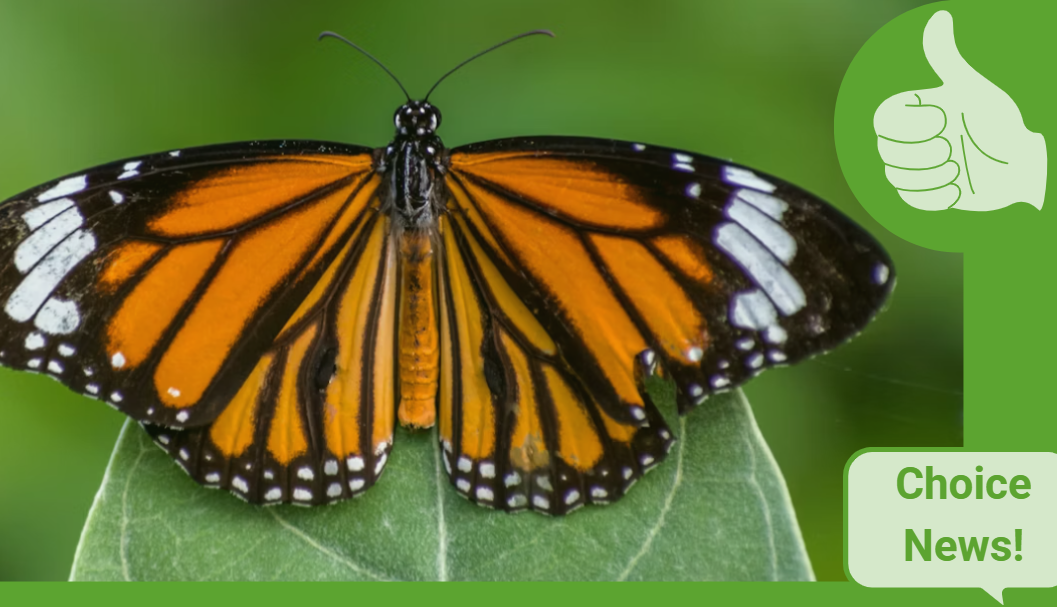
Many New Zealand gardens aren’t seeing as many monarch butterflies fluttering around their swan plants and flower beds these days — the hungry Asian paper wasp has been taking its toll.
Thanks to people like Alan Baldick, who’s made it his mission to protect the monarch, his neighbours still get to enjoy these beautiful butterflies in their own backyards.
Thinking about planting something to invite more butterflies, bees, and birds into your garden?
Thanks for your mahi, Alan! We hope this brings a smile!

Be prepared for upcoming roadworks
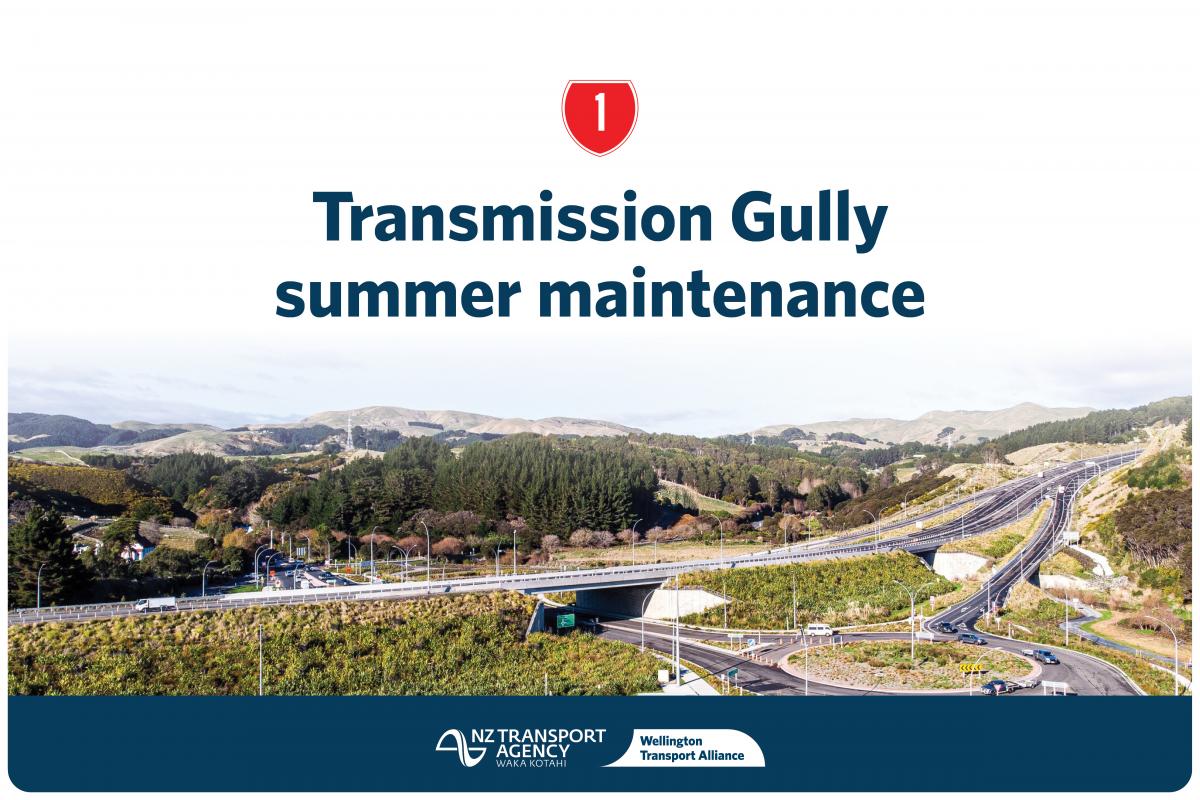
SH1 Transmission Gully works until mid-February, weather permitting.
There’s no roadworks for the holiday break from Friday 19 December, and all lanes will be fully open. Contractors are back to work on Monday 5 January, at night. Plan ahead for lane closures, night-time road closures and speed restrictions until mid-February. When the highway is closed, detours are via State Highway 59 and State Highway 58.
Chip-seal works begin in early January, so drivers must do 30km/h to prevent flying chip that can damage vehicles.
 Loading…