





Keep your vehicle safe
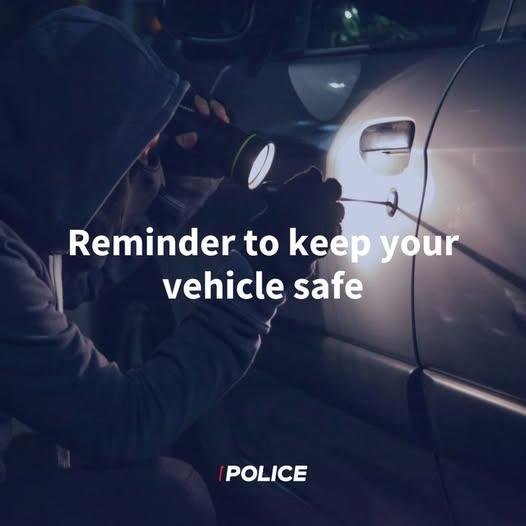
Police have a message for the Central District’s drivers: If you leave it, lock it.
Officers are finding common themes when speaking with victims of car crimes, with many vehicles being left unsecured.
“We want to remind everyone, don’t make it easy for criminals – take the valuables out of the car, or put them out of sight, and keep the windows up and doors locked when you get out,” Detective Sergeant Heath Karlson says.
“Thieves want an easy target. Many of the offenders we speak to often comment on how naive victims can be by leaving their cars unlocked.”
Police also recommend people fit an immobiliser, a steering lock, or a vehicle alarm, if possible.
“If you don’t have a garage, things like steering wheel locks are an affordable way to deter someone who’s eyeing-up your car, and immobilisers are a worthwhile investment too. But basic steps such as rolling up windows, parking in well-lit or busy areas, and removing valuables also make a difference,” Detective Sergeant Karlson says.
“Even if you don’t drive, you can make a difference by reporting suspicious behaviour. Even if it turns out to be nothing, your report gives Police the chance to direct a patrol through the area and make sure nothing untoward is happening. It also helps us build a picture of where we’re most needed.”
If you see illegal or suspicious behaviour that’s happening now, call 111. If it’s after the fact, contact us via 105.

Today’s Mind-Bender is the Last of the Year! Can You Guess It Before Everyone Else? 🌟🎁🌲
I dance in the sky with green and gold, a spectacle few are lucky to behold; I’m best seen in the south, a celestial sight—what am I, lighting up the New Zealand night?
Do you think you know the answer? Simply 'Like' this post and we'll post the answer in the comments below at 2pm on the day!
Want to stop seeing these in your newsfeed? No worries! Simply head here and click once on the Following button.

Scamwatch: How to recognise, avoid and act against scams.
A scam or a fraud is any scheme designed to con you out of money or steal your personal information. If someone contacts you unexpectedly – whether over the phone, through the post, by email, on a website, in person or on social media – always consider the possibility that it may be a scam.
Scammers target lots of people, often for small amounts of money. They constantly evolve their approach making scams harder to spot. Most scams come from overseas, but they may pretend to be locally based — from a reputable company, bank, or government agency, or even from your friends on social media if your account has been hacked. It is very difficult to get your money back once it is sent overseas.
Scams hurt us all. You can protect yourself and others by learning how to spot scams, share what you see and report them.
Figure out if you are being scammed: Use these questions to help figure out if you have been targeted by a scammer.
Article compiled from information kindly supplied by ConsumerProtection.govt.nz
Q&A regarding Neighbourly data breach

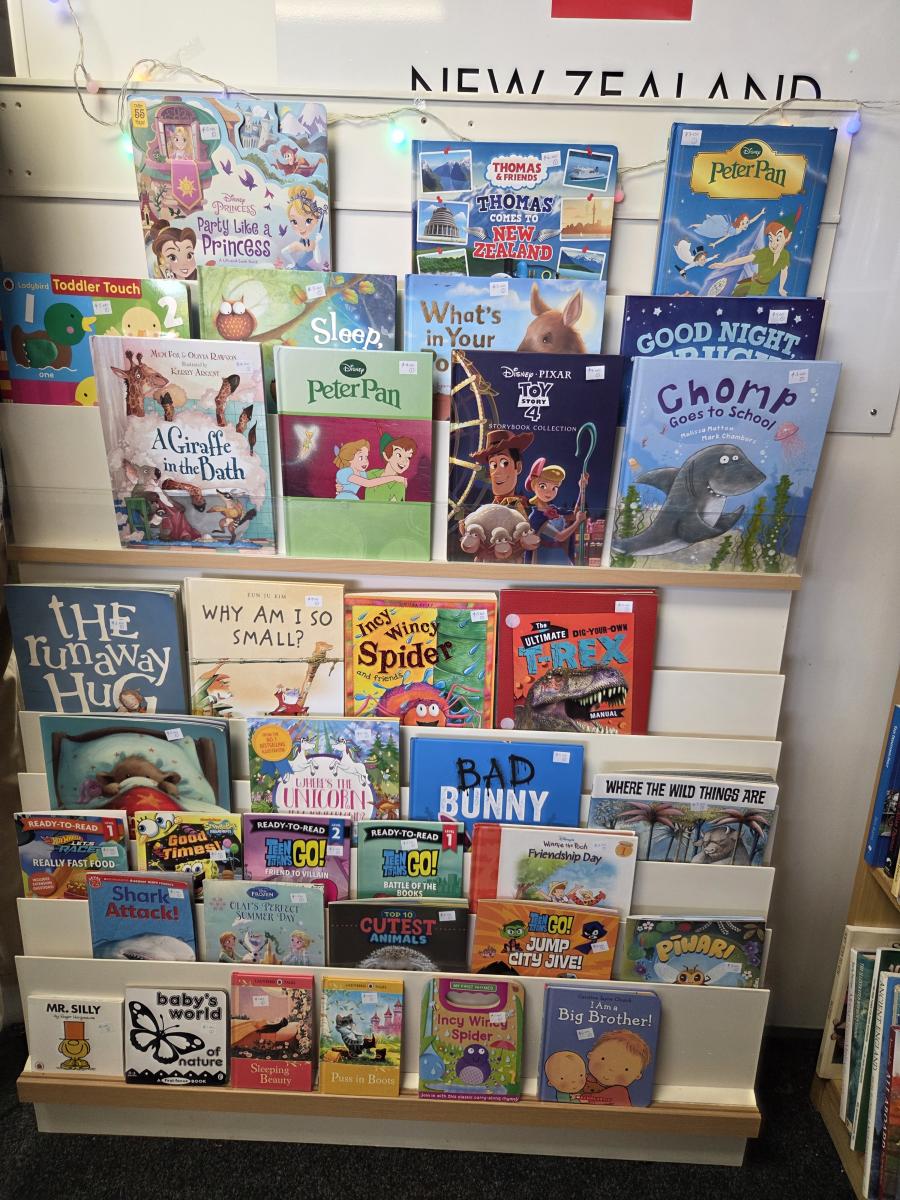
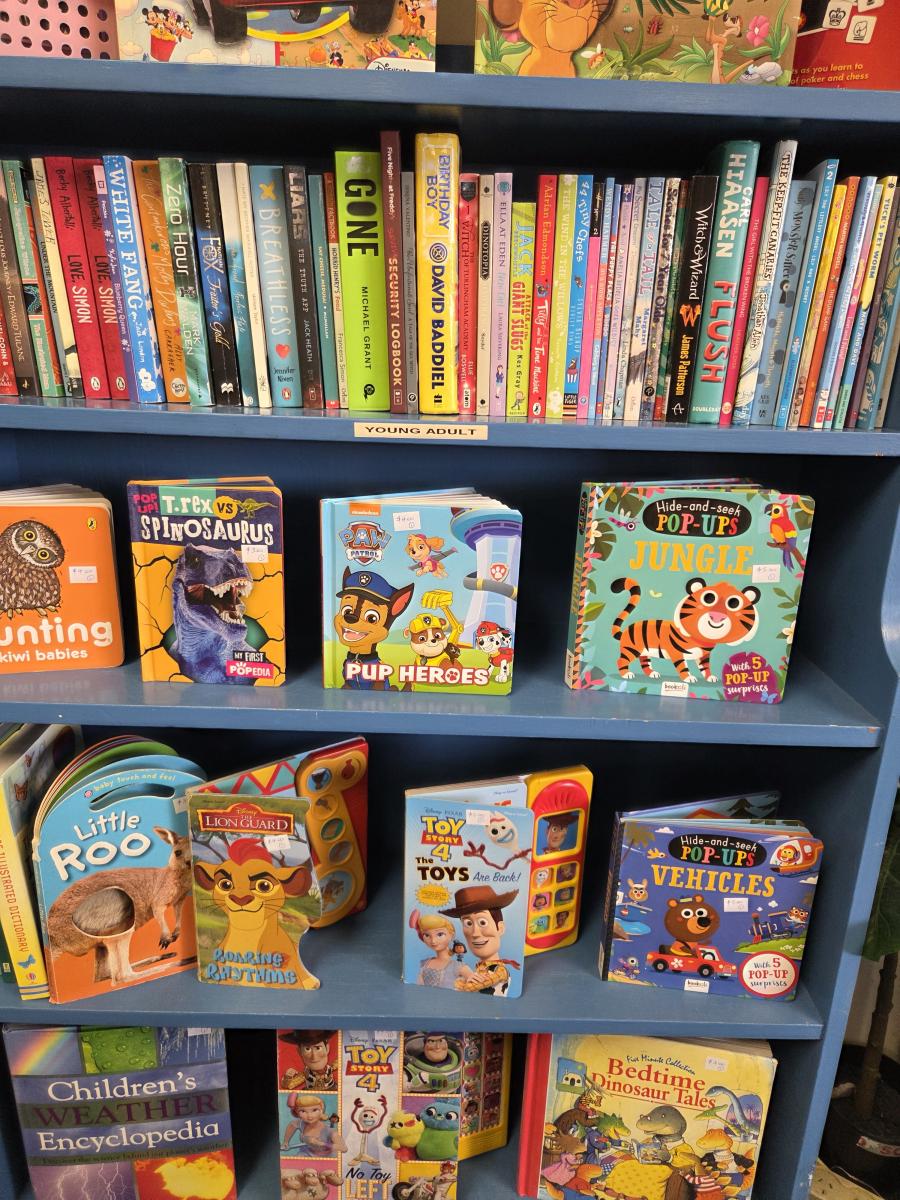
Book Week Bonanza!
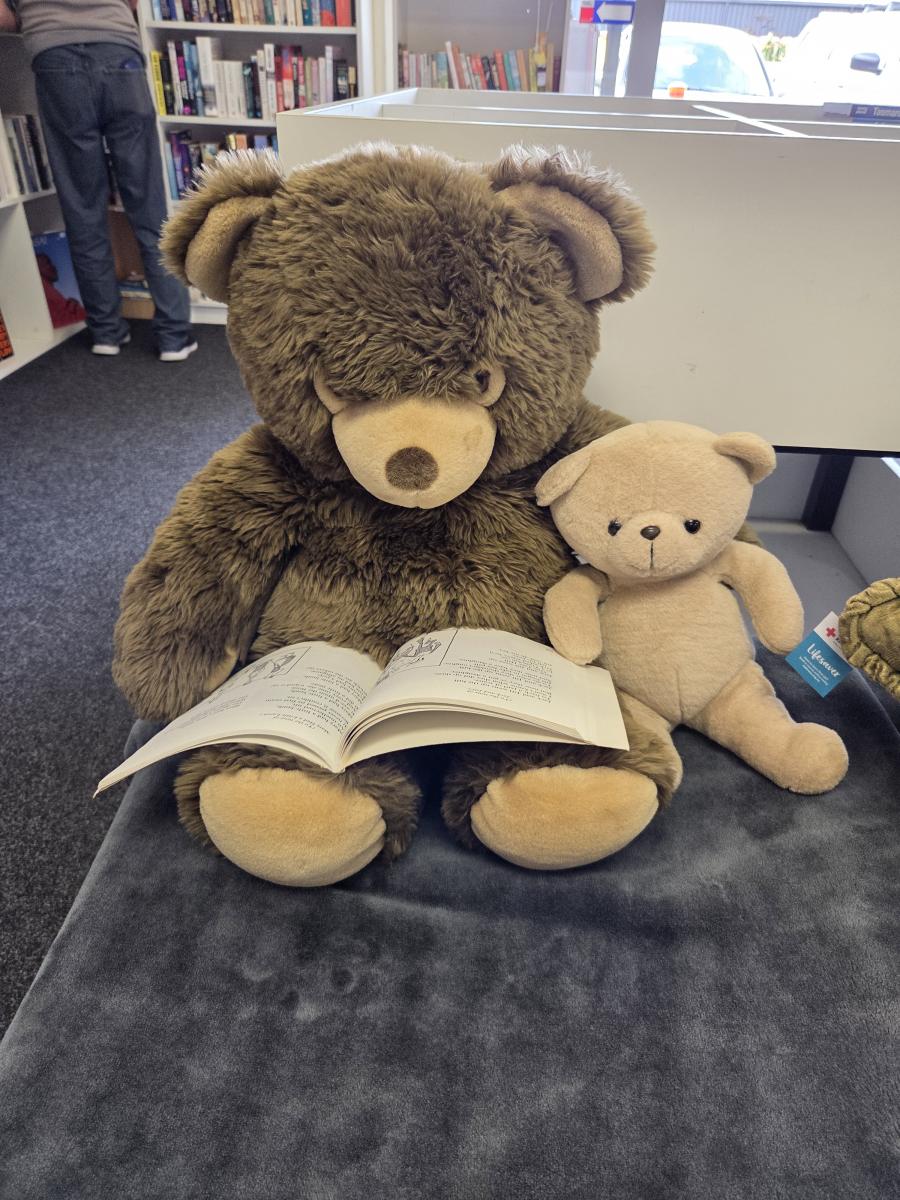
📚🎉 It’s Book Week at Red Cross Superstore! 🎉📚
Join us as we celebrate the joy of reading with our Book Week Bonanza!
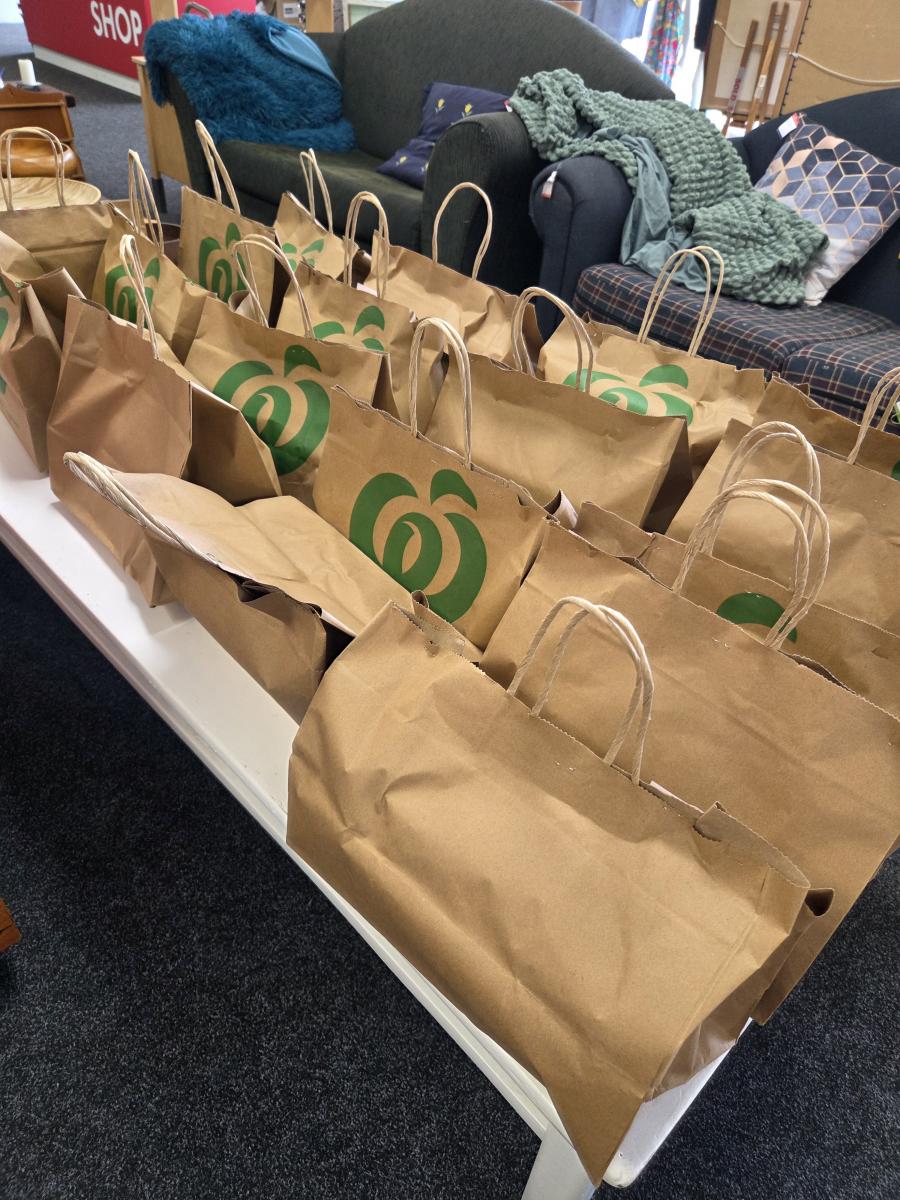
Browse a fantastic range of pre-loved books for all ages—and don’t miss our Book Lucky Packets 📦✨ filled with surprise reads at great value.
Perfect for kids, book lovers, and anyone who enjoys a good story while supporting a great cause.
😀 Pop in, grab a book (or a lucky packet!), and celebrate Book Week with us! ❤️📖
📍 931 Tremaine Ave, Palmerston North
🕘 Open 9am – 5pm, 7 days a week
#opshop #PalmerstonNorth #RedCross #RedCrossPalmy

 Loading…