





An Insight into Viscose
Viscose, or Rayon, was the first regenerated fibre to be manufactured for commercial production in the early 1900s.
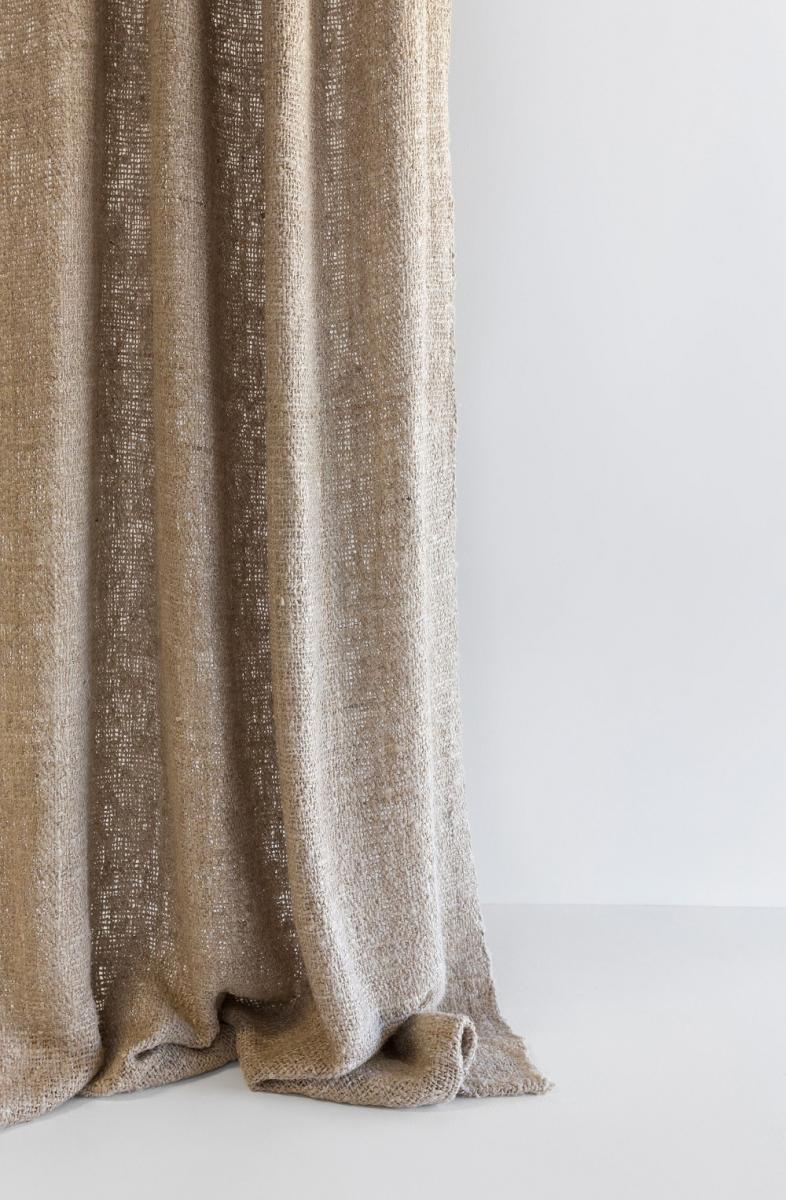
As a fabric, it is able to emulate the extremely soft handle and subtle sheen of natural fibres, whilst being more cost effective to produce. Therefore, resulting in the continued popularity of viscose in fashion and soft furnishings.
Although viscose begins as a natural fibre, it is different from products like linen and cotton because it undergoes a manufacturing process. During this process, wood pulp is dissolved in alkali to make the solution called viscose, which is then squeezed through a nozzle or spinneret into an acid bath to create filaments called regenerated cellulose, and finally spun into yarn.
As with all natural fibres, viscose has a unique personality and requires special care. In this article we will discuss the characteristics of this versatile fabric, whether it is the right choice for your next project, and its unexpected enemy – H2O.
Characteristics of Viscose:
• Soft Handle
• Luxurious appearance and subtle natural lustre.
• Viscose yarn absorbs and holds dye well. Especially when piece dyed, a viscose product has the ability to reflect vibrant and bold colour.
• Can be engineered to resemble other natural fibres such as linen cotton and silk, while in most instances, can be more cost effective.
• Absorbent fibre and less durable when wet. We recommend that fabric qualities with a high percentage of viscose yarn are not washed or spot cleaned with water. Due to the absorbent nature of the yarn, spot cleaning can result in watermarks occurring.
• Dry Cleanable. In most cases we recommend a professional dry clean for compositions with a high amount of viscose.
• Low thermal retention. This characteristic mostly applies to the fashion apparel industry. Being a cellulose based fibre, it does not retain heat as well.
• As with all natural fibres, viscose can be susceptible to fading in direct sunlight due to the extreme UV conditions in Australasia. We recommend you are mindful of where natural fibres are situated in the home. In a drapery situation we always recommend a quality lining.
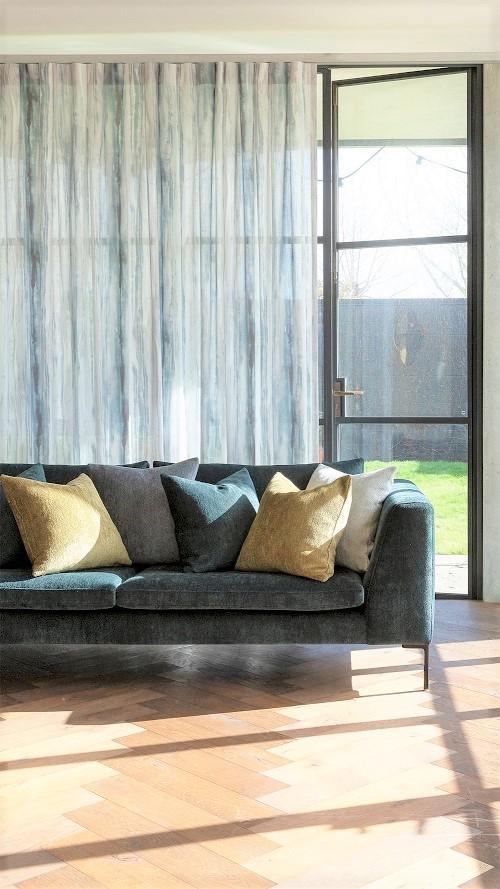
• For interior textiles, a fabric with a component of viscose yarn is extremely versatile and can be used in drapery, upholstery and accessory applications. We don’t typically recommend viscose fabrics to be used for bedding due to the fibre generally being dry clean only.
• A fabric that contains a viscose component can have the same fabric dye processes, finishes and printing applications as other natural fibres.
Keep reading: www.curtainclean.co.nz...

Scam Alert: Fake information regarding December Bonuses from MSD
The Ministry of Social Development is reporting that fake information is circulating about new ‘December bonuses’ or ‘benefit increases’
If you get suspicious communication, please contact Netsafe.

Poll: Are Kiwis allergic to “exuberance”? 🥝
In The Post’s opinion piece on the developments set to open across Aotearoa in 2026, John Coop suggests that, as a nation, we’re “allergic to exuberance.”
We want to know: Are we really allergic to showing our excitement?
Is it time to lean into a more optimistic view of the place we call home? As big projects take shape and new opportunities emerge, perhaps it’s worth asking whether a little more confidence (and enthusiasm!) could do us some good.

-
40.4% Yes
-
34.1% Maybe?
-
25.5% No

Some Choice News!
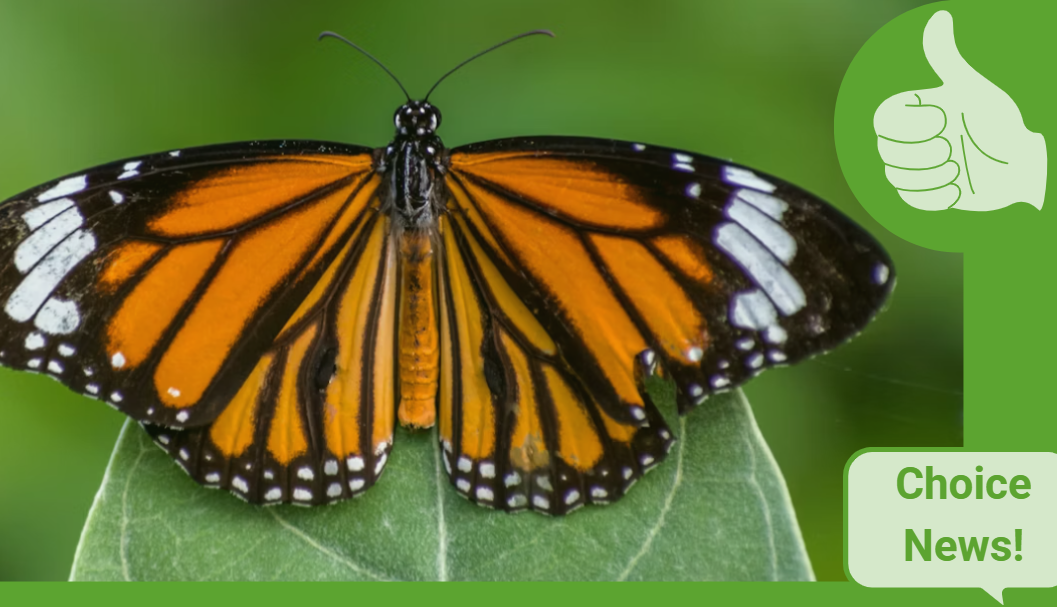
Many New Zealand gardens aren’t seeing as many monarch butterflies fluttering around their swan plants and flower beds these days — the hungry Asian paper wasp has been taking its toll.
Thanks to people like Alan Baldick, who’s made it his mission to protect the monarch, his neighbours still get to enjoy these beautiful butterflies in their own backyards.
Thinking about planting something to invite more butterflies, bees, and birds into your garden?
Thanks for your mahi, Alan! We hope this brings a smile!
 Loading…