






Impacts of storm water on Lake Horowhenua
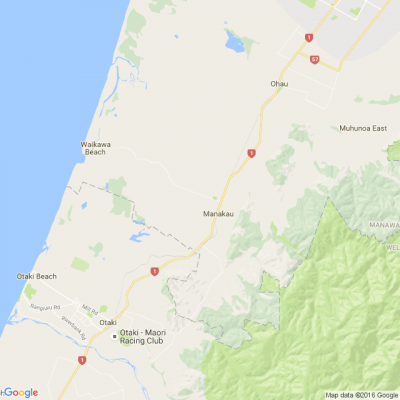
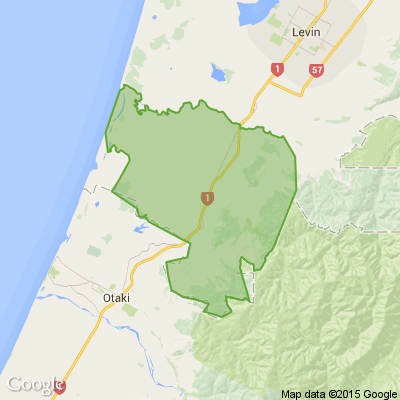
Lake Horowhenua is in the spotlight again now Horowhenua District Council has finally submitted its resource consent application to discharge storm water in Levin.
Regional Council Horizons is expected to allow a request by Horowhenua District Council’s (HDC’s) chief executive David Clapperton for more time to undertake, "consultation with iwi, directly affected parties and other stakeholders" because a cultural impacts assessment is one of 19 requests for further information.
Many of the 19 requests for further information to accompany HDC's December 2018 Levin Global Storm water Discharge Consent relate to the effect of storm water on Lake Horowhenua and affected waterways including an, "assessment of impacts of the proposed activity on aquatic life in the Lake and in the Arawhata and Patiki Streams."
A November 2018 Horizons report, "confirmed the Arawhata is currently the major contributor of sediment..contributing between 48 and 75 percent of the sediment to the lake. ..In addition the sediment accumulation rates have increased in recent times."
HDC also has to address how storm water is, "contributing to nutrient and contaminant loads in the lake" and "how the proposed activity does not contribute to further decline of water quality in Lake Horowhenua and will improve water quality."
Horizons said the sediment quality study included in HDC's application, "was not designed to assess storm water impact on lake sediment" and asked HDC to provide data, “showing the effect of the storm water discharge on lake and stream sediments."
Horizons said as HDC "attributes some contaminant levels to industrial sites" in its application this means “contaminants are entering the discharge via the stormwater network” which means, “ these should be included in the consent."
There is public uncertainty about how the application will be processed in light of Horizons own short comings as a statutory authority.
Horizons One Plan has been operative since December 2014 but in 2016 Wellington Fish and Game Council and the Environmental Defence Society (EDS) won an Environment Court case that Horizons was not giving legal effect to its own One Plan rules on intensive farming activities, the National Policy Statement for Freshwater Management and the Resource Management Act (RMA).
Furthermore the Environment Court described a Horizons Council 25 June 2013 resolution not to apply its own One Plan rules for intensive farming land uses as, "unlawful, invalid and in contravention of the RMA."
The resolution has been revoked but Environment Minister David Parker became involved after no progress was made by Horizons since the Environment Court decision in 2016 meaning many agricultural and dairying farms are still operating without resource consents.

Today’s Mind-Bender is the Last of the Year! Can You Guess It Before Everyone Else? 🌟🎁🌲
I dance in the sky with green and gold, a spectacle few are lucky to behold; I’m best seen in the south, a celestial sight—what am I, lighting up the New Zealand night?
Do you think you know the answer? Simply 'Like' this post and we'll post the answer in the comments below at 2pm on the day!
Want to stop seeing these in your newsfeed? No worries! Simply head here and click once on the Following button.




Poll: Is it ok to regift something that you have been given?
🎁 Holiday Gift Chat!
Do you ever regift?
What’s your take on asking for a receipt if a gift doesn’t fit?

-
78.8% Yes! It's better to regift what I don't need
-
21.2% No. It's the thought and effort that matters
 Loading…