





Poll: Would you try a plant-based diet?
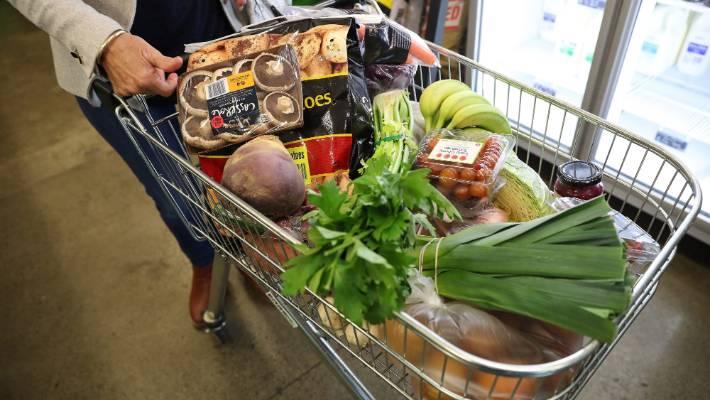
A Colmar Brunton survey showed one in three New Zealanders (34 per cent) were reducing their meat consumption or eating no meat at all. Baby boomers were leading the meat-reduction charge, while most vegans and vegetarians were millennials, they found. What about you? Would you try a plant-based diet? Vote in the poll below.
-
20.6% Absolutely - I’m open to trying it
-
29.5% No way - I love eating meat
-
11.5% I am already following a plant-based diet
-
38.3% I regularly eat plant-based but still enjoy meat

Police apologise to rest home alleged theft victim after failing to act
Police have apologised to a pensioner who caught a carer-turned-crook allegedly stealing cash, admitting there was more they could have done.
The about-face comes after the Waikato Times revealed the plight of rest home resident Lisa Allen, who set up a hidden-camera, capturing footage that appeared to show the caregiver opening her handbag and taking out a $50 note while the room was unattended.


Today’s Mind-Bender is the Last of the Year! Can You Guess It Before Everyone Else? 🌟🎁🌲
I dance in the sky with green and gold, a spectacle few are lucky to behold; I’m best seen in the south, a celestial sight—what am I, lighting up the New Zealand night?
Do you think you know the answer? Simply 'Like' this post and we'll post the answer in the comments below at 2pm on the day!
Want to stop seeing these in your newsfeed? No worries! Simply head here and click once on the Following button.
Scamwatch: How to recognise, avoid and act against scams.
A scam or a fraud is any scheme designed to con you out of money or steal your personal information. If someone contacts you unexpectedly – whether over the phone, through the post, by email, on a website, in person or on social media – always consider the possibility that it may be a scam.
Scammers target lots of people, often for small amounts of money. They constantly evolve their approach making scams harder to spot. Most scams come from overseas, but they may pretend to be locally based — from a reputable company, bank, or government agency, or even from your friends on social media if your account has been hacked. It is very difficult to get your money back once it is sent overseas.
Scams hurt us all. You can protect yourself and others by learning how to spot scams, share what you see and report them.
Figure out if you are being scammed: Use these questions to help figure out if you have been targeted by a scammer.
Article compiled from information kindly supplied by ConsumerProtection.govt.nz
Q&A regarding Neighbourly data breach
 Loading…