





All electric, fossil free farm down to entrepreneur thinking, 'under the hood' Kiwi ingenuity and a diesel tractor
From reporter Olivia Caldwell:
The irony is, Mike Casey owes his world first fossil free and all electric farming title to a tiny worn old diesel engine Iseki tractor.
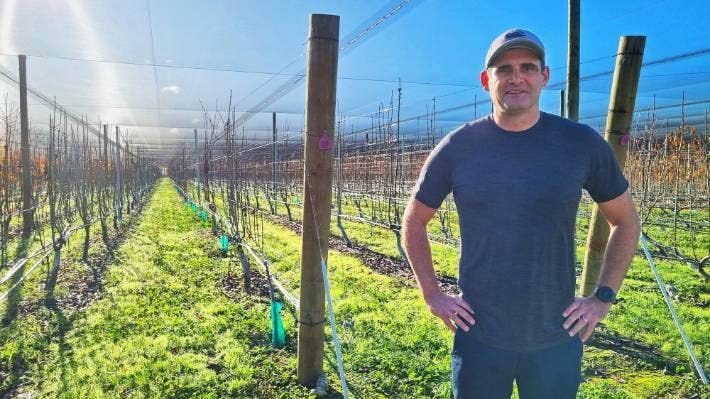
The Wellingtonian entrepreneur isn’t a farmer by trade, he is a software engineer who got sick of the city life in Sydney, moved to Central Otago and bought 9300 cherry trees.
“This was definitely an over compensation from living in the concrete jungle of Sydney for a long time, to moving to rural New Zealand. I think I can almost hold a conversation with a farmer now,” he says.
His final step to becoming all electric was introducing New Zealand’s only electric tractor to the orchard, but he couldn't wait for the flash, shiny $165,000 import from California due to arrive.
A combination of Casey’s entrepreneurial climate driven brain, and some plain old “Kiwi ingenuity under an engine hood” had this 39-year-old become a world leader.
As far as he knows, this convert is New Zealand’s first electric tractor, and he’s been using the Iseki 318 for a year on his orchard while he sought out a more modern flavour. It did the job, he says.
Arriving this month is a Monarch commercial electric tractor, which is 30 horsepower equivalent and is fully automated, and cost around $165,000.
He received a grant from the Energy Efficiency and Conservation Authority, which also helped with electric frost fighting fans from South Africa.
The Monarch is only the 66th off the shelves in the US and the first ever exported, so Casey is hoping to start a trend in New Zealand.
“My goal is when farmers come to see this electric tractor they are blown away by its capabilities.
“Power in New Zealand can be really cheap and much cheaper than diesel.
“On orchard we would use our tractor for probably 300 hours a year depending on the season. But if it is free or autonomous, what’s stopping us using these tractors for more things. Maybe we could use it for 1000 hours and become better farmers and have more yield.”
Casey will use the new tractor for just about everything on his small orchard. Spraying, mowing, weeding and even gathering data on his trees into an app call Fruit Minder, so he can constantly use power wisely and better his emissions.
When he and wife Rebecca arrived, the orchard ticked up an annual energy bill of $60,000. By ditching the fossil fuelled engines and going electric they brought the bill down to $21,000. Then after adding solar power and battery energy their total now sits around $3000.
“We were never intending to go fossil fuel free, but low and behold, every purchasing decision we went down we found we could find an electric option around the world, or we could build some of that technology ourselves.”
“So now here are standing here on I think the first zero fossil fuel farm in the world.”
They didn’t really plan on the farm thing either, but Casey takes life in its stride, and he was too ignorant to cave to Wānaka’s climbing and often out of reach land value.
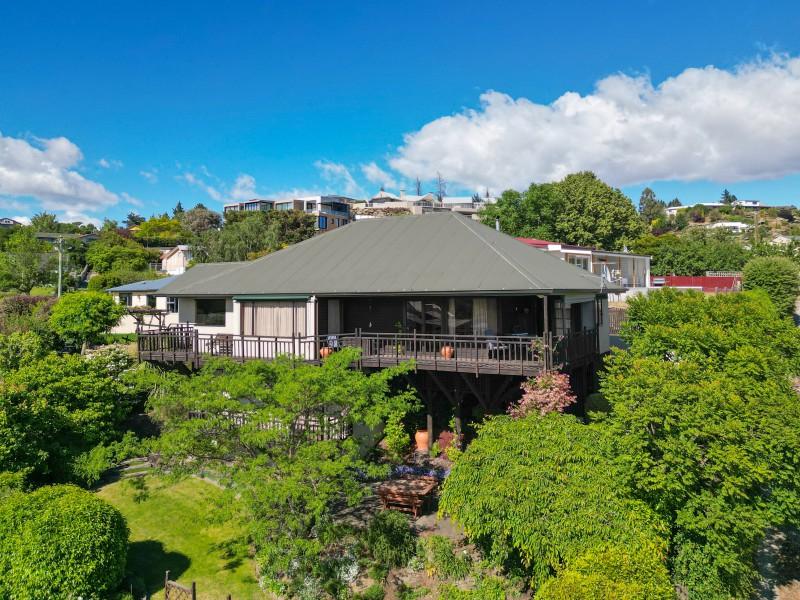
“We were looking for places in the region, and we found this farm that was 9 hectares of land and had the ideal house for the same price as a four-bedroom house in Wānaka.”
“All of a sudden I had all this land. Then I thought what better way to address the climate than to plant 9300 trees, so I planted 9300 cherry trees.”
The switch from fuels to electric has saved the farm about 60 tonnes of emissions per year. They now do 2.5 tonnes using fertiliser and nitrates. His trees sequester about 3.8 tonnes a year.
Casey has also written software that, by calculating the price of power on the wholesale spot price market, would decide if the fans would be run from the grid or from batteries.
The orchard is close to having a net-zero energy bill, including line charges.
He aims to fully remove herbicides and eventually move towards organic, which is hard to do with cherries, he says.
“We are going to start making steps in that direction.”
Casey doesn't believe in a system which rewards farmers for “good behaviour” such as the government’s “carbon credits”.
“With carbon-neutral certification there the ability to pay to sweep your bad behaviour under a rug, so I don’t promote that.
“I more talk about how we have eliminated the fossil fuels entirely because the only way we are going to solve the climate crisis is getting off fossil fuels.”


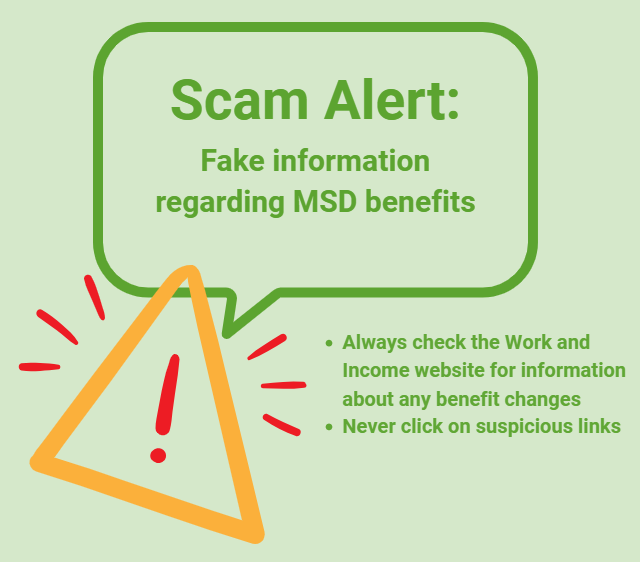
Scam Alert: Fake information regarding December Bonuses from MSD
The Ministry of Social Development is reporting that fake information is circulating about new ‘December bonuses’ or ‘benefit increases’
If you get suspicious communication, please contact Netsafe.
Poll: Do you set New Year’s resolutions?
🎉 2026 is almost here!
We’re curious ... how do you welcome it?
Do you set resolutions, follow special traditions, or just go with the flow?

-
10% Yes! New Year, New Me
-
17% Yes - but I rarely stick to them
-
73% Nah - not for me
Update to Neighbourly members on data breach 06/01/2025 8am
Yesterday in the High Court at Auckland, Neighbourly was successful in being granted an injunction against any unauthorised use of the data taken in a recent breach.
As we alerted you on January 1 and confirmed on January 3, our systems were accessed illegally and members’ information, including names, email addresses, GPS coordinates from the address you provided to us, forum posts and direct member communications were among the data that was accessed.
We acted immediately upon hearing of a potential breach: we temporarily disabled the site, notified members and authorities and worked with our external security consultants to understand if and how it had occurred. We then confirmed the breach with members, safely restored the site to service and began the process of seeking the injunction. Yesterday’s decision by Justice Johnstone prohibits the use of the data by any unauthorised person, and requires them to permanently delete it, or any information obtained from it.
This does not mean that vigilance against scammers is not still required: there is a large industry globally that seeks to use stolen information for identity fraud or to dupe people into providing details of their financial affairs for theft. Again, to keep yourself safe from scammers it is critical that you:
- Don’t click links in emails. Instead, type the web address directly into your browser. This helps ensure you’re visiting a real site, not a fake one
- Enable two-factor authentication where available as this adds an extra layer of security to your data
- Stay alert for phishing emails. Be cautious of unexpected emails asking for personal information, especially ones that create a sense of urgency.
Again, we want to apologise to you for this illegal access to the Neighbourly database and to assure you that we have carefully worked through how this occurred. We have safely secured the site and its services for use and ensured we have robust processes in place so this cannot happen again.
We are continuing to work with the relevant authorities, including the National Cyber Security Centre, on any further steps we need to take.
If you have any further questions please contact us via our customer support team at helpdesk@neighbourly.co.nz.
 Loading…