





Seeking Nurse Peggy: Family uncover story of brutal murder committed a century ago
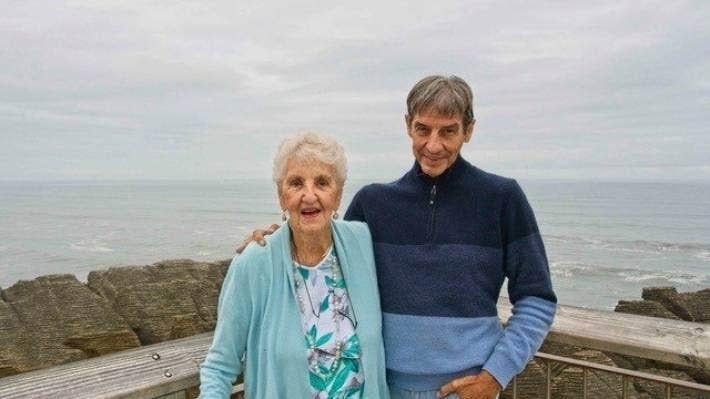
David Hullah was touring the South Island in a campervan when his mother suddenly told him to turn off the highway.
“She wanted to see the site where her aunt was murdered.”
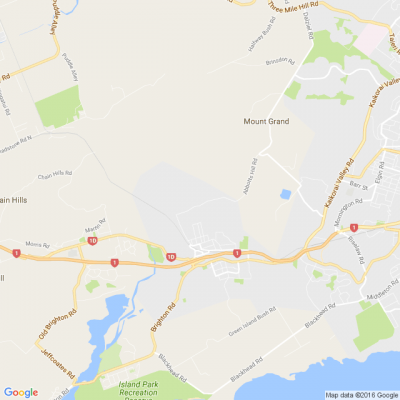
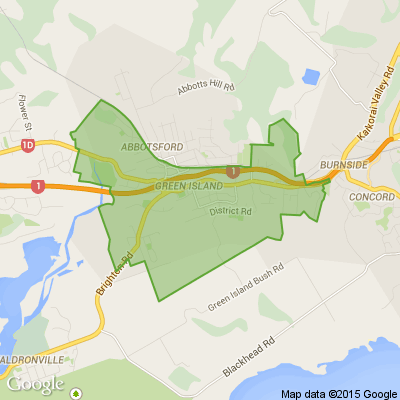
She believed that site was Seacliff, about 25 kilometres north of Dunedin and home to an enchanted forest and a former lunatic asylum.
The 500-bed psychiatric hospital was once the largest building commissioned in New Zealand, but is also remembered as the site where 37 women died in a fire on the night of December 8, 1942.
But Hullah's relative was not one of those women.
His mother, Margaret Wells, who is in her mid-90s and lives in Australia, told her son of their relative's death as he drove towards Seacliff in March 2020, just before the first Covid-19 lockdown.
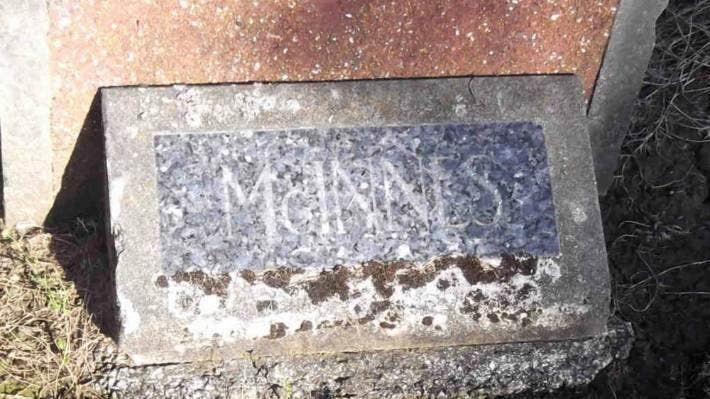
Wells was a young child when her favourite aunt, Peggy McInnes – who was actually her much older cousin – suddenly stopped visiting their Dunedin home.
Years later, she was told McInnes had been murdered.
Hullah said he knew McInnes used to work as a nurse at Seacliff, and was murdered by a spurned former boyfriend who later killed himself in the hospital’s grounds, now home to a reserve.
The story was eerily similar to another that unfolded in the tiny township in 2016, when Stephen Findlay killed neighbour Sharon Comerford before turning his gun on himself in the grounds of the reserve.
Findlay survived and in 2017 was sentenced to life imprisonment with a minimum non-parole period of 11 years.
McInnes’ murder actually happened at Orokonui Hospital, a former psychiatric hospital about halfway between Dunedin and Seacliff, on August 24, 1928.
A newspaper report, headlined ‘Driven Insane By Jealousy’, said McInnes, a 25-year-old nurse, had recently been transferred from Seacliff to Orokonui.
But it was at Seacliff where McInnes had first met Thomas Ellis, a 35-year-old Dunedin bricklayer, who was working on a new kitchen building at the site.
The pair courted for several months before the tragedy happened in the grounds of the Orokonui Hospital.
Ellis visited McInnes at her new workplace after hearing their relationship was over. McInnes later left work at 8pm, wearing her uniform under a brown coat.
Later that evening, a staff member heard groans coming from the hospital grounds. They found Ellis wandering about with his throat cut.
Ellis died at the scene, and police were then tasked with finding a missing nurse: McInnes.
Several hours later they made a grim discovery.
McInnes was found lying on a blanket under a large pine tree. Her face had been bashed in, and her throat was cut.
The murder weapons – a pen knife and a stone wrapped in a handkerchief – were found nearby.
Tellingly, police found a note in Ellis’ pocket. The note, sent by McInnes, indicated she would meet him at a prearranged time and date.
A colleague of McInnes later told an inquest the young nurse was deciding between two men, including Ellis, whom she was lukewarm on.
The pair had earlier been spotted arguing at a dance at Seacliff after Ellis – later described in a report by the Otago Daily Times as a “tall, thin, dark man” – saw her dancing with other men.
“The facts of this sad tragedy are only too plain,” the coroner said.
“It is obvious that Nurse Mclnnes was murdered by Ellis who then cut his throat.”

Poll: Are our Kiwi summer holidays helping us recharge, or holding the economy back? ☀️🥝
There’s growing debate about whether New Zealand’s extended Christmas break (and the slowdown that comes with it) affects productivity.
Tracy Watkins has weighed in ... now it’s your turn. What’s your take? 🤔

-
72.9% We work hard, we deserve a break!
-
16.1% Hmm, maybe?
-
11% Yes!

Save a life this Christmas
You’ve had the perfect gift all along. Book your blood or plasma donation today.


Secure your homes over summer
Police are reminding people to keep their homes secure during the summer months.
Inspector Glenda Barnaby, Christchurch Area Prevention manager, says daytime burglaries are just as common as nightime burglaries.
“Burglaries can be committed at any time of the day, and coming into warmer months there is more opportunity for thieves."
"Although a majority of burglaries involve forced entry through windows and doors, we are starting to see more incidents at insecure premises. Police deal with cases where burglaries are committed in broad daylight, sometimes even while the victim is at home. Good weather means open doors and windows, which makes homes more vulnerable to burglars.”
Inspector Barnaby says there’s a few things people can do to reduce their changes of a burglary being committed.
⚠️ If you’re going outside for gardening, relaxing in the sun, or working in the garage, take a moment to lock your doors and secure your windows first.
⚠️ Do the same at night when you go to bed - keep your doors and windows secure and close your curtains. Fitting window stays means you can get a breeze coming through, while keeping your windows secure.
⚠️ Get to know your neighbours - let them know if you’re going away and look out for one another.”
If you see any suspicious activity, people or vehicles in your neighbourhood, don't hesitate to contact Police.
If you witness or suspect any illegal activity, please call 111 if it is happening now, or make a report through 105 either online or over the phone, if it is after the fact.

 Loading…