





Award-winning author on the scammer who tried to con her
By reporter Hamish McNeilly:
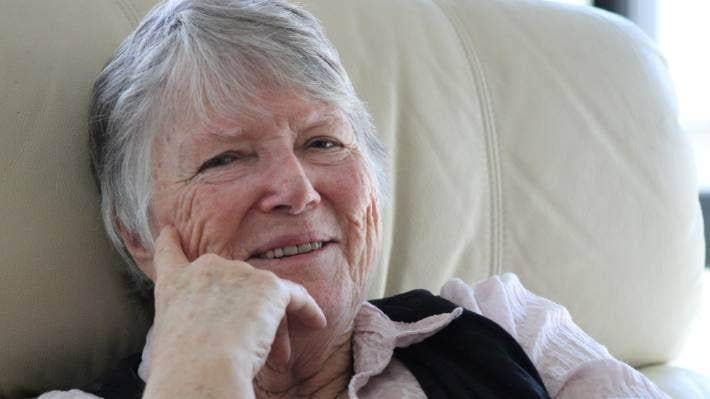
It was the first time the prize-winning author had told anyone to “go to hell”.
Last Monday, Dr Lynley Hood noticed when she tried to call using her mobile phone, "the call didn’t go through".
"I then just got on with other things," said the author of Minnie Dean: Her Life & Crimes and City Possessed: The Christchurch Civic Crèche Case about the Peter Ellis case.
But on Tuesday morning, she noticed her internet, which was also with One New Zealand, was not working, and checked all her connections, and found no obvious issues.
"I still had no idea what was happening."
But she did spot a notification pop-up on her iPad, purportedly from Vodafone NZ, which said her internet issues were because she owed the company money.
Hood rang the supplied 0800 number and was put on hold for half an hour before she was assured that she didn’t owe Vodafone any money.
Still without internet, she checked with her neighbours, and found whatever the problem was it was just restricted to her property.
By Wednesday, and still offline, she phoned the 0800 number again and was now told by a male operator that she needed to supply her bank details.
"He just went on and on and on," Hood said of the man, who sounded like he was based overseas.
"It was the first time in my life I had told someone to ‘go to hell’."
"We know not to give out bank details. This is a scam that has gone a further step than just demanding money for some cause or another ... to actually cutting-off your internet."
Exasperated, she went to a One NZ store in cental Dunedin and was told that "it was a scam".
One obvious sign was the use of the former Vodafone name and branding, Hood was told.
The staff found there were no known issues on her account, and she was told to ring their 0800 number, and was told “it is all fine now”.
Hood was still at a loss over how her internet stopped working.
An explanation from One Zealand did not make that clear.
Instead, a spokesperson said: "We’ve investigated the issue and found no evidence of a scam or fraudulent activity."
"We’re pleased that our customer service agent was able to get Dr Hood back up and running quickly."
Hood said her experience left her very frustrated, as she could have easily been scammed in her desperation to restore her communications.
She felt fortunate that she had access to a physical store, compared to those who lived in smaller centres.
New Zealand banks reported customers lost a combined total of $183.5 million to scams this year in 2022, an increase of 40% on the previous year.
According to Consumer Protection, ways to minimise your risk of being scammed include: only enter credit card details on a legitimate website; be suspicious of unexpected contact; and never open attachments or click on email links if you are unsure about a sender.

Poll: Is it ok to regift something that you have been given?
🎁 Holiday Gift Chat!
Do you ever regift?
What’s your take on asking for a receipt if a gift doesn’t fit?
-
78.1% Yes! It's better to regift what I don't need
-
21.9% No. It's the thought and effort that matters

Neighbourhood Challenge: Who Can Crack This One? ⛓️💥❔
What has a head but no brain?
Do you think you know the answer? Simply 'Like' this post if you know the answer and the big reveal will be posted in the comments at 2pm on the day!
Want to stop seeing these in your newsfeed?
Head here and hover on the Following button on the top right of the page (and it will show Unfollow) and then click it. If it is giving you the option to Follow, then you've successfully unfollowed the Riddles page.

Some Choice News!
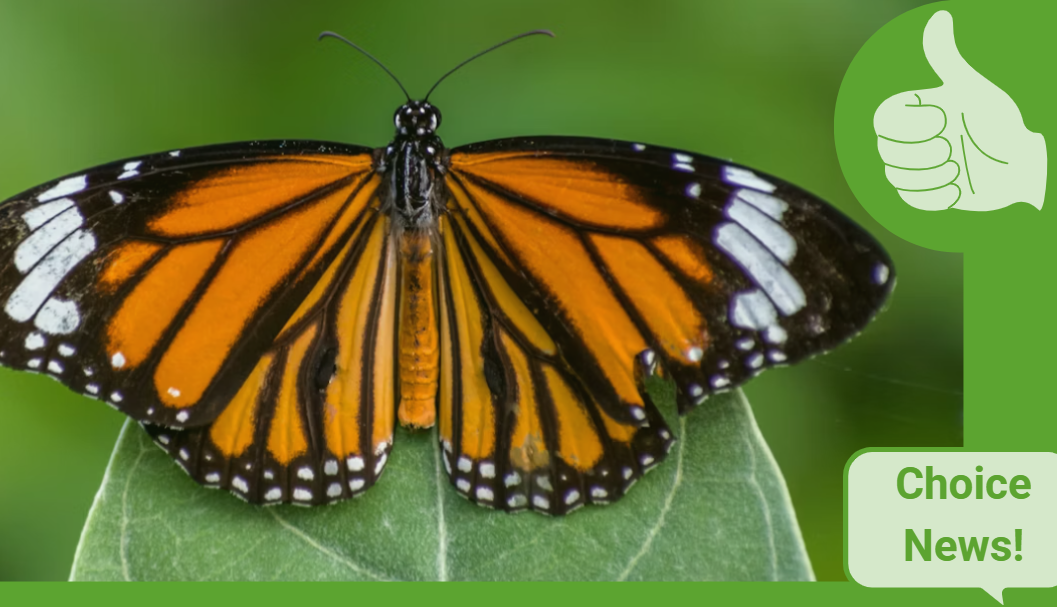
Many New Zealand gardens aren’t seeing as many monarch butterflies fluttering around their swan plants and flower beds these days — the hungry Asian paper wasp has been taking its toll.
Thanks to people like Alan Baldick, who’s made it his mission to protect the monarch, his neighbours still get to enjoy these beautiful butterflies in their own backyards.
Thinking about planting something to invite more butterflies, bees, and birds into your garden?
Thanks for your mahi, Alan! We hope this brings a smile!
 Loading…