






Te Whakapūtanga o te Atua - Day 33
In the sacred valleys of Aotearoa, beneath the watchful gaze of the maunga and the whispering ngahere, there was a time when harmony within the iwi began to crumble. The values of tikanga (righteousness) and manaakitanga (compassion) were neglected. Greed, conflict, and disregard for the whenua had begun to take root, threatening the balance cherished by the people.
The kaumātua of the iwi gathered at the marae to seek guidance. They performed long karakia, calling upon the atua and Io Matua Kore, the supreme source of all life. As they chanted, a warm breeze swept through the wharenui, and the voice of Tāne Mahuta, the atua of the forest, resonated through the air like a gentle waiata.
When tikanga fades and matekiri (disharmony) arises, Tāne said, Io Matua Kore, through the atua, manifests anew to restore balance and guide the people back to the ways of light.
Soon after, a child was born to the iwi, surrounded by signs of divine blessing. Birds of all kinds gathered at the whare, and the rivers flowed with an unusual clarity. The kaumātua named the child Rongo, after the atua of peace and cultivated lands, believing he would be the one to lead the iwi back to harmony.
As Rongo grew, his wisdom far surpassed his years. He taught the people to honor kaitiakitanga (guardianship) of the whenua, to uphold manaakitanga for one another, and to align their actions with tikanga. He reminded them that life was a sacred connection between the wairua, the whenua, and Io Matua Kore.
When righteousness wanes and shadows grow, Rongo would say, we must remember the teachings of the atua. For in each of us, their spirit is alive, and through us, the balance can be restored.
Under his guidance, the iwi flourished again. They planted trees, nurtured their rivers, and cared for one another as whānau. Balance and peace returned to the land, and the harmony of tapu and noa was restored.
Moral of the Story:
When tikanga (righteousness) declines and the balance of life is disrupted, the divine manifests through those chosen to lead and guide the people. It is our collective duty to listen, to act, and to restore the harmony that sustains all of creation.

Poll: Do you set New Year’s resolutions?
🎉 2026 is almost here!
We’re curious ... how do you welcome it?
Do you set resolutions, follow special traditions, or just go with the flow?

-
10.4% Yes! New Year, New Me
-
20.9% Yes - but I rarely stick to them
-
68.7% Nah - not for me
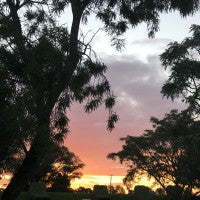
WOOLWORTHS REWARDS CARD
To the lovely man who kindly let me use his Woolworths rewards card - I was buying brandy snaps etc can you please message me, thank you very much.
You made a comment you'll be asked why you are buying brandy snaps.
Estelle
Poll: 🗑️ Would you be keen to switch to a fortnightly rubbish collection, or do you prefer things as they are?
Aucklanders, our weekly rubbish collections are staying after councillors voted to scrap a proposed trial of fortnightly pick-ups.
We want to hear from you: would you be keen to switch to a fortnightly rubbish collection, or do you prefer things as they are?
Keen for the details? Read up about the scrapped collection trial here.
-
85.1% Same!
-
14.9% Would have liked to try something different
 Loading…