






MPs' and Ministers' expenses for the final three months of the year have been released, detailing the breakdown of the more than $2.3 million bill for taxpayers.
MP expenses are released every three months by the Parliamentary Service and the Office of the Clerk. It details the accommodation and travel expenses for all MPs - both of which are regular expenses required for MPs to fulfil their duties, allowing them to be present in Wellington to attend Parliament as well as their home and constituent communities.
The report does not include ministerial travel and accommodation, which is administered by Ministerial Services and is reported separately by that body and was also released today, also covering the period from October 1 to December 31 2023.
MP expenses came to almost $1.7m and Ministerial expenses came to more than $670,000.
=========================================================
Costs tend to be higher for MPs who live in more far flung places, adding to travel costs, and more senior MPs, especially a prime minister, deputy prime minister, and speaker.
Some MPs also had higher totals than they might otherwise due to expenses from the previous quarter being reported in the latest quarter.
The National Party - which has the largest caucus in the Parliament - spent the most on expenses in the period, totalling almost $731,000.
Prime Minister Christopher Luxon was the biggest expense of the lot, at a cost of just more than $57,500 - but that included VIP transport of more than $39,000 - part of the requirements of being in the top job. The rest was made up of costs of almost $7500 for accommodation, air travel of $9500 and "surface" - ground travel, such as taxis of more than $1300.
The next highest expenses cost in National's caucus was Auckland-based Defence Minister Judith Collins, at a cost of more than $24,200, made up of more than $6000 for accommodation and just over $18,000 on travel, including more than $16,000 on surface travel.
Erica Stanford and Harete Hipango had higher totals than Collins but theirs included expenses brought forward from the previous quarter.
Labour, with the next biggest caucus, spent almost $462,000 in the quarter. Its biggest expense was Manurewa MP Arena Williams, who spent almost $23,000 on expenses, including $8380 on accommodation in Wellington, more than $10,000 on air travel and almost $4400 on surface travel.
The lowest spender was new Finance spokesperson Barbara Edmonds, who is based near Wellington. She spent $521, most of which was $403 on flights.
Three MPs had no expenses to declare: outgoing or already-gone MPs Andrew Little, Nanaia Mahuta and Grant Robertson.
Leader Chris Hipkins - who is based in Upper Hutt - declared $1129, all of which was on flights.
The Speaker, Deputy Speaker and Leader of the Opposition are eligible for VIP transport services.
The Greens spent almost $177,000 and the ACT caucus almost $155,000.
For the Greens, third assistant speaker Teanau Tuiono declared almost $25,000 of expenses, including more than $7000 for flights and almost $10,000 for accommodation.
For ACT, Mark Cameron, who is based in rural Northland, declared almost $21,000 in expenses, the highest of any ACT MP. That included almost $10,000 on accommodation and a similar amount on travel, split almost evenly between flights and ground travel.
New Zealand First's eight MPs spent almost $68,000, while Te Pāti Māori's six MPs spent more than $80,000.
NZ First MP Jamie Arbuckle, from Marlborough, topped his party with more than $16,000 spent, while Te Pāti Māori co-leader Rawiri Waititi - who lives in a remote part of his Waiariki electorate - spent $36,500, about $26,000 of which was on travel.
Independent MPs Meka Whaitiri and Elizabeth Kerekere declared almost $15,000 and more than $7200 respectively for the period.
According to Parliamentary Services, party whips monitor non-ministerial MP expenses, and if they notice a member is incurring excessive expenses, can ask MPs to limit further costs for the year.
All expenses reported exclude GST Fringe Benefit Tax, which applies to Parliamentary Service travel expenses.
The report does not include ministerial travel and accommodation, which is administered by Ministerial Services and is reported separately by that body and was also released today.
Ministerial expenses for the new Government began from November 27, when ministerial warrants were issued, and ceased from that date for the previous government.
Ministers in the coalition Government spent $266,118 from that date.
Ministers in the previous Government - which included Labour and Green MPs - spent $405,522 from October 1 to November 27.
Costs included those for Ministers, spouses and staff.
Those figures were also exclusive of GST and Fringe Benefit Tax.
==============================================
www.1news.co.nz...
===============================

Poll: Are our Kiwi summer holidays helping us recharge, or holding the economy back? ☀️🥝
There’s growing debate about whether New Zealand’s extended Christmas break (and the slowdown that comes with it) affects productivity.
Tracy Watkins has weighed in ... now it’s your turn. What’s your take? 🤔
-
72.8% We work hard, we deserve a break!
-
16.1% Hmm, maybe?
-
11.2% Yes!
7000 pensioners overcharged in another Inland Revenue error
Almost 7000 pensioners have been affected by another Inland Revenue error.
Last week, RNZ reported that 4500 people had overpaid tax after their imputation credits had been incorrectly recorded in their prep-populated tax returns.
Others got in touch and said they had also experienced a problem, this time with the way that NZ Super was recorded for ACC purposes.
One man said he had been charged $301.68 in ACC earner levy for $18,854.98 of gross income from NZ Super that should not have attracted a levy at all.
He said he was not able to control this when he completed his return and did not realise the error until the process was complete.
He said he did not think a lot more about it but when he saw RNZ's reporting of the other error, he realised that there had been at least two this year.
"This really starts to suggest a deficiency in change control of IRD systems."
Another couple said they wanted assurance that Inland Revenue had taken steps to stop it happening again.
======================================
Inland Revenue said 6778 people were affected.
======================================
"There was an issue identified earlier this year where we were not populating the 'earnings not liable' figure correctly for some customers. We fixed those returns for the customers in July 2025."
Chartered Accountants Australia New Zealand tax leader John Cuthbertson said ACC was not paid on NZ Super because it was not liable income.
"However, if you're working and receiving NZ Super, your earnings from that work do attract levies."
"The advancements in digitalisation and MyIR have been quite incredible, except when it goes wrong like this. You shouldn't need a Chartered Accountant to check prepopulated forms, but the average person might not know that super income does not attract ACC levies. We used to say 'google it' but many taxpayers are now using AI to do a basic check of their tax returns, asking simple questions like 'Should I pay 'x' levy on 'y' income?"
Angus Ogilvie, managing director of Generate Accounting Group, said it was concerning that issues seemed to be leading to erroneous data being prepopulated into Inland Revenue's system.
"The new software employed was a very costly and complex project. However, taxpayers should expect that there is a high level of diligence applied to get their tax obligations right. Let's hope that the department is devoting urgent resource to correct these issues".
======================================================

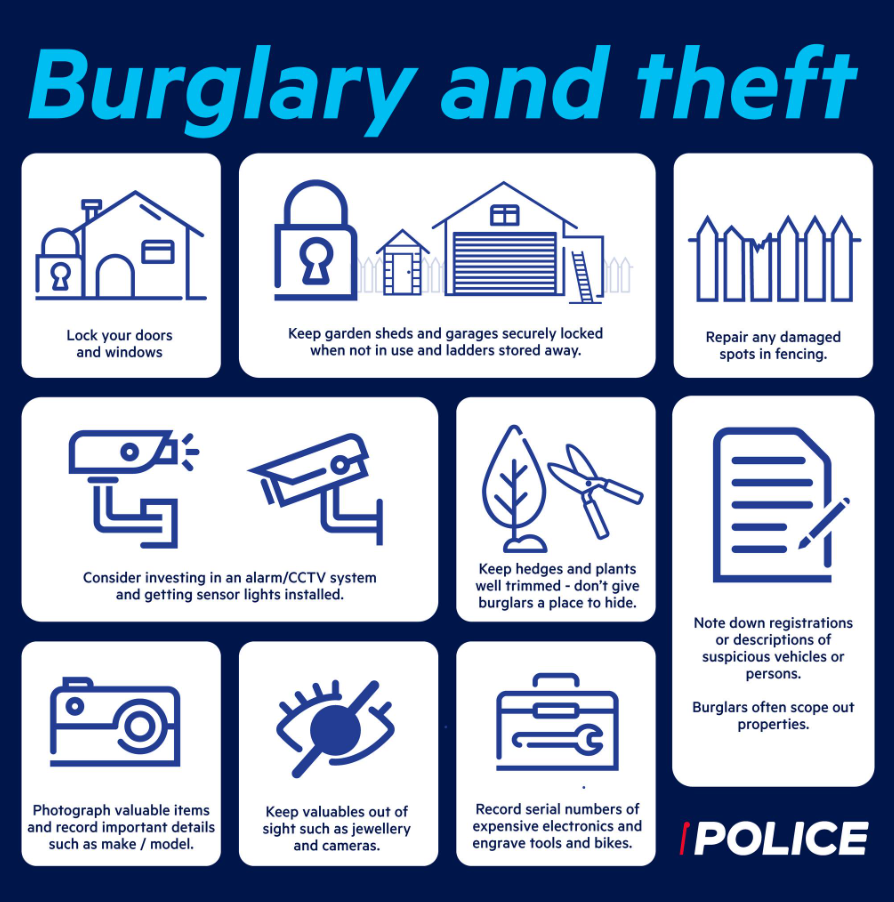
Secure your homes over summer
Police are reminding people to keep their homes secure during the summer months.
Inspector Glenda Barnaby, Christchurch Area Prevention manager, says daytime burglaries are just as common as nightime burglaries.
“Burglaries can be committed at any time of the day, and coming into warmer months there is more opportunity for thieves."
"Although a majority of burglaries involve forced entry through windows and doors, we are starting to see more incidents at insecure premises. Police deal with cases where burglaries are committed in broad daylight, sometimes even while the victim is at home. Good weather means open doors and windows, which makes homes more vulnerable to burglars.”
Inspector Barnaby says there’s a few things people can do to reduce their changes of a burglary being committed.
⚠️ If you’re going outside for gardening, relaxing in the sun, or working in the garage, take a moment to lock your doors and secure your windows first.
⚠️ Do the same at night when you go to bed - keep your doors and windows secure and close your curtains. Fitting window stays means you can get a breeze coming through, while keeping your windows secure.
⚠️ Get to know your neighbours - let them know if you’re going away and look out for one another.”
If you see any suspicious activity, people or vehicles in your neighbourhood, don't hesitate to contact Police.
If you witness or suspect any illegal activity, please call 111 if it is happening now, or make a report through 105 either online or over the phone, if it is after the fact.
 Loading…