






POLICE----Don’t be a ‘bad egg’ this Easter long weekend
Police are on a hunt for bad eggs this Easter.
Across the Auckland region, Police will be rolled out and on the lookout for poor driving behaviour putting others at risk.
Tāmaki Makaurau Road Policing Manager, Inspector Scott Webb, says everyone can play a part in keeping the roads safe.
“It will come as no surprise to us Aucklanders that the roads leading north and south of the city will be busy,” he says.
“Easter is traditionally the last long weekend with the warmer weather, and many people look to take advantage of extra days off.”
Inspector Webb says it pays to be prepared and patient before heading out over the weekend.
Expect to see Police visible across the roads and motorway network, working to prevent unsafe behaviours and enforcing the law.
“It’s all about drivers and road users making simple decisions to keep themselves and others safe, “Inspector Webb says.
“We would rather you overindulge in chocolate and hot cross buns, rather than alcohol.
“Police will be carrying out checkpoints across many locations, so don’t be surprised if you are stopped and breath tested.”
Make sure everyone, including your sweet precious cargo, is safely restrained when travelling to your destination, Inspector Webb says.
“We want everyone to have a safe and enjoyable Easter,” Inspector Webb says.
“We, along with our road safety partners at NZTA and Auckland Transport, can all play a part in reducing road trauma and the devastating impacts it has on families.”
Top tips:
=======
• Plan your trip, allow plenty of time, and check the NZTA website for essential travel updates: www.journeys.nzta.govt.nz...
• Eyes on the road – and not your devices
• Take a second – split-second decisions to drive after drinking can be life changing
• Kids onboard? Make sure they’re in the correct child restraint seats
State Highway One through the Brynderwyn Hills will also temporarily re-open for the long weekend from 12.01am on Thursday 28 March to 11.59pm on Tuesday 2 April, for travellers heading to or from Northland.
==================================================

Poll: Do you set New Year’s resolutions?
🎉 2026 is almost here!
We’re curious ... how do you welcome it?
Do you set resolutions, follow special traditions, or just go with the flow?

-
10.5% Yes! New Year, New Me
-
19.9% Yes - but I rarely stick to them
-
69.6% Nah - not for me
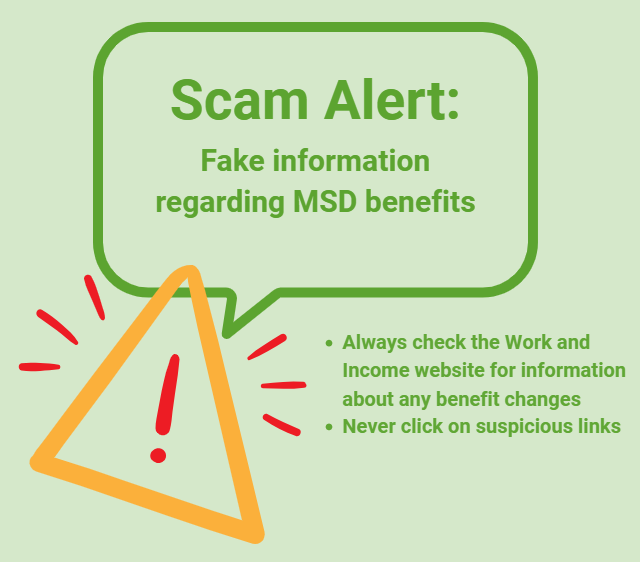
Scam Alert: Fake information regarding December Bonuses from MSD
The Ministry of Social Development is reporting that fake information is circulating about new ‘December bonuses’ or ‘benefit increases’
If you get suspicious communication, please contact Netsafe.
Here's wishing you a TERRIFIC and FANTASTIC 2026
Compliments of the Season.
Best wishes for a happy, healthy and prosperous NEW YEAR. I sincerely pray that GOD will bless each one of you and your family with good health, more wealth, endless joy, love and happiness in 2026 and the many many years ahead. STAY BLESSED.



 Loading…