






More than half of national shellfish food poisoning cases reported in Canterbury
More than half of food poisoning cases caused by shellfish in Aotearoa this summer have been reported in Canterbury, triggering a warning for people to cook seafood thoroughly before consuming.
Since mid-November last year, 42 cases of vibrio parahaemolyticus, a bacterium in shellfish, were reported, with two more probable cases, a Ministry for Primary Industries (MPI) spokesperson said.
The ministry would normally expect to see only three or four during that time.
Fifteen of the cases were hospitalised with the illness and 22 of the reported cases were in Canterbury, he said.
The ages of the people affected were between 17 and 90.
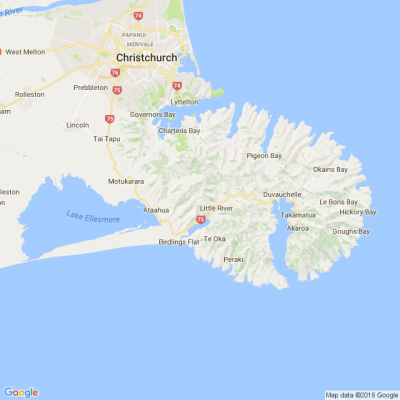
It comes after a public health warning was issued for shellfish in Akaroa Harbour, all of Banks Peninsula and Christchurch in December.
MPI issued the warning after finding shellfish in Akaroa Harbour had diarrhetic toxins nearly three times over the safe limit. The limit for the toxins was set at 0/16mg/kg by MPI.
The toxins were found in recreational shellfish that people could collect themselves and did not affect shellfish bought from shops or supermarkets, it said at the time.
The MPI spokesperson said the two issues were not related. The toxins found in the shellfish was a naturally occurring toxic algae while the “higher than usual cases” of vibrio parahaemolyticus was caused by a bacteria known to increase in warmer months.
New Zealand Food Safety deputy director-general Vince Arbuckle said in the case of vibrio parahaemolyticus, evidence suggested a change in water temperature and conditions could make live mussels more susceptible to the bacteria.
New Zealand Food Safety was reminding people to thoroughly cook mussels before consuming, after an increase in cases of Vibrio around the country.
It included supermarket supplies and New Zealand Food Safety was working with major supermarket chains to ensure signage to cook mussels was available for consumers, Arbuckle said.
“People with low immunity, pregnant, or elderly should always avoid eating raw or undercooked shellfish as the illness can be more severe,” she said.
Other cases of Vibrio were reported in Toi Te Ora (8), Auckland (6), Northland (6), and one each for Southern and Waikato District Health Board.
Thirty-six of the cases had consumed shellfish commercially or recreationally, while two had consumed recreationally gathered fish, and six cases were unknown.
The types of seafood causing illness included oysters, mussels, crayfish, kina, pāua, cod, and snapper.
Symptoms of Vibrio could include watery or bloody diarrhoea, abdominal cramps, nausea, vomiting, fever and headache, Arbuckle said.
New Zealand Food Safety advised people to keep their hands and utensils clean after handling raw seafood, to cook mussels thoroughly “until steaming hot”, and to refrigerate shellfish as soon as possible after harvesting from the beach or purchasing from the supermarket to minimise their risk.
“If you get sick after eating shellfish, phone Healthline for advice on 0800 61 11 16 or seek medical attention immediately. If possible, store and refrigerate any leftover shellfish for testing.”

Poll: Do you set New Year’s resolutions?
🎉 2026 is almost here!
We’re curious ... how do you welcome it?
Do you set resolutions, follow special traditions, or just go with the flow?

-
9.8% Yes! New Year, New Me
-
21.8% Yes - but I rarely stick to them
-
68.4% Nah - not for me

Today’s Mind-Bender is the Last of the Year! Can You Guess It Before Everyone Else? 🌟🎁🌲
I dance in the sky with green and gold, a spectacle few are lucky to behold; I’m best seen in the south, a celestial sight—what am I, lighting up the New Zealand night?
Do you think you know the answer? Simply 'Like' this post and we'll post the answer in the comments below at 2pm on the day!
Want to stop seeing these in your newsfeed? No worries! Simply head here and click once on the Following button.

Poll: Is it ok to regift something that you have been given?
🎁 Holiday Gift Chat!
Do you ever regift?
What’s your take on asking for a receipt if a gift doesn’t fit?
-
78.8% Yes! It's better to regift what I don't need
-
21.2% No. It's the thought and effort that matters
 Loading…